


 English
  Deutsch
  Español
 Household baking tools have become integral to home kitchens, supporting a range of baking activities from simple breads to elaborate desserts. The use of practical tools enhances kitchen efficiency, improves precision, and encourages creative expression, making baking a more enjoyable and reliable activity.
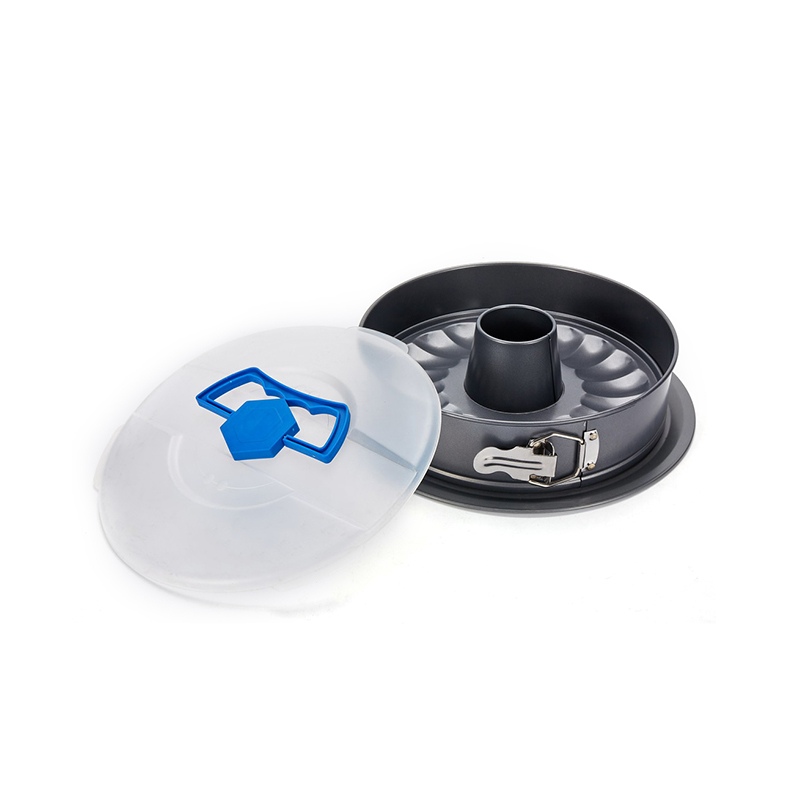
The first important aspect is practicality and efficiency. Tools such as mixing bowls, spatulas, and silicone mats simplify preparation and cleanup, allowing bakers to complete tasks with less effort. Oven-safe bakeware and heat-resistant utensils reduce the risk of accidents, while multi-purpose tools, including measuring cups and rolling pins, save space and streamline workflows. Many home bakers find that having organized and ergonomic tools not only reduces preparation time but also makes the process more comfortable.
The second aspect is precision in measurement and control. Accurate measurement tools, such as digital scales and thermometers, are essential in baking, where small variations in ingredient proportions can affect texture, flavor, and appearance. Using precise tools helps bakers follow recipes reliably and reduces the likelihood of errors. Temperature-controlled devices allow for better monitoring during baking, ensuring consistent results and maintaining the quality of baked goods. This precision is particularly valuable for delicate items like pastries, meringues, and layered cakes.
The third aspect focuses on creativity and family experience. Household baking tools support decorative work, such as icing, piping, and shaping dough. Items like piping bags, cookie cutters, and molds enable bakers to design visually appealing creations, encouraging experimentation and personal expression. Baking together with family or friends becomes more engaging when tools allow participants of different skill levels to contribute effectively. These experiences foster enjoyment, learning, and interaction, turning baking into a shared activity rather than just a culinary task.
Together, these three aspects show that household baking tools do more than simply assist in cooking—they enhance the overall home baking experience. Practical tools increase efficiency, measurement devices improve reliability, and decorative tools encourage creativity. This combination ensures that home bakers can enjoy both everyday recipes and more elaborate projects with confidence.
Overall, household baking tools have become essential instruments in modern kitchens. They provide convenience, improve outcomes, and allow individuals and families to explore creative possibilities while enjoying the process. From everyday breads to decorative pastries, having the right tools supports skill development, saves time, and enhances the satisfaction of home baking.
FAQ
1. Which tools are useful for everyday baking?
Mixing bowls, measuring cups, spatulas, whisks, and basic bakeware are essential for most recipes.
2. How do measurement tools affect baking results?
Digital scales and thermometers provide accuracy that ensures consistency in texture and flavor.
3. What tools help with decorative baking?
Piping bags, cookie cutters, molds, and spatulas assist in creating designs and shaping baked goods.
4. Can baking tools improve family involvement?
Yes. Tools that are easy to use allow people of different ages and skill levels to participate, making baking a collaborative activity.
5. Are multifunctional tools recommended for home bakers?
Multifunctional tools save space and simplify preparation, making them practical for a variety of recipes.
6. How should household baking tools be maintained?
Regular cleaning, careful storage, and avoiding abrasive materials help tools last longer and maintain performance.
7. Do specialized tools make baking more accessible for beginners?
Yes. Even basic specialized tools like silicone mats, dough scrapers, and icing spatulas can help beginners achieve better results and build confidence.