


 English
 Deutsch
 Español
For importers, wholesalers, and kitchenware distributors, sourcing Household Baking Tools involves more than selecting individual bakeware products. A suitable product range needs to match the target market, cover different retail categories, and provide consistent specifications for purchasing and resale. Product variety matters, but the way each item fits into the overall range can also influence inventory planning and sales performance.
Building a Balanced Bakeware Product Range
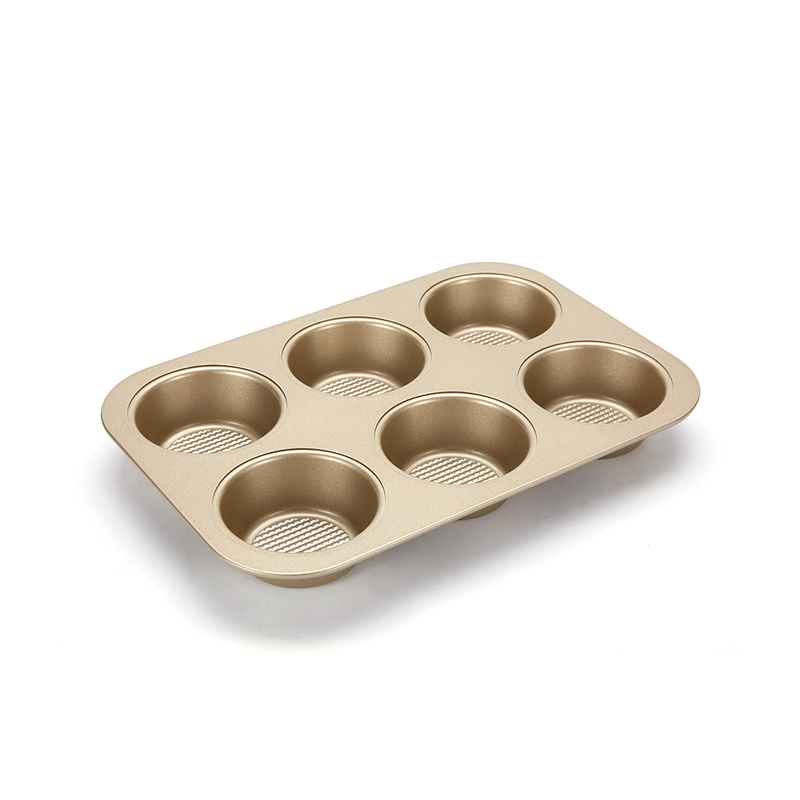
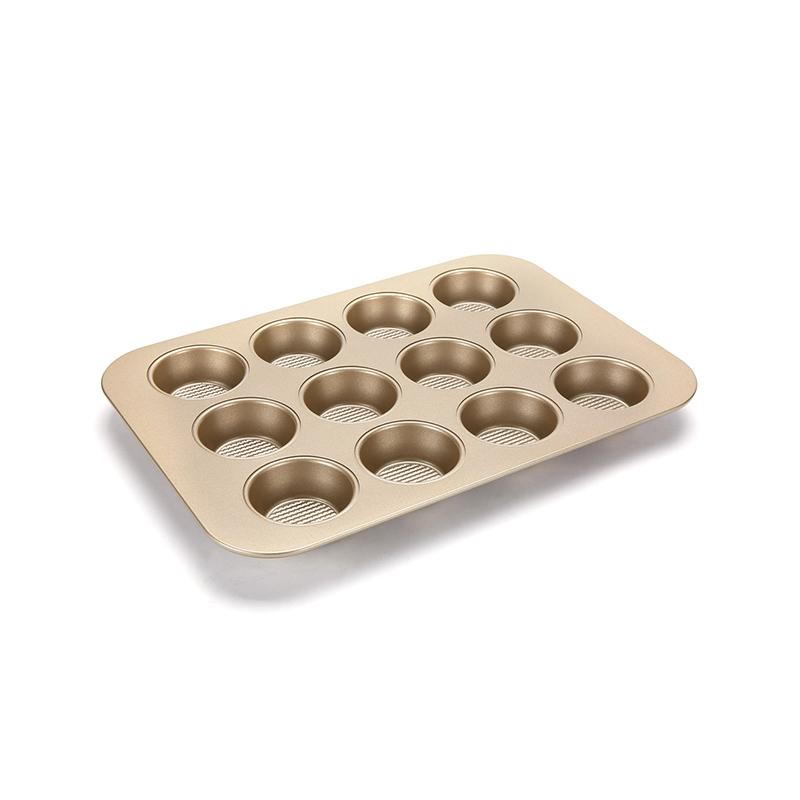
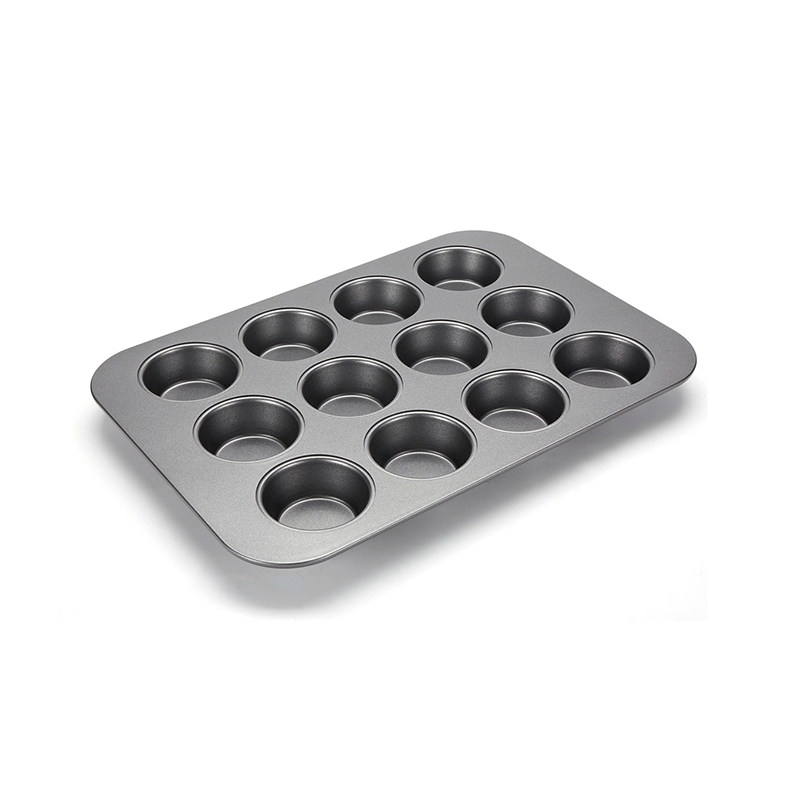
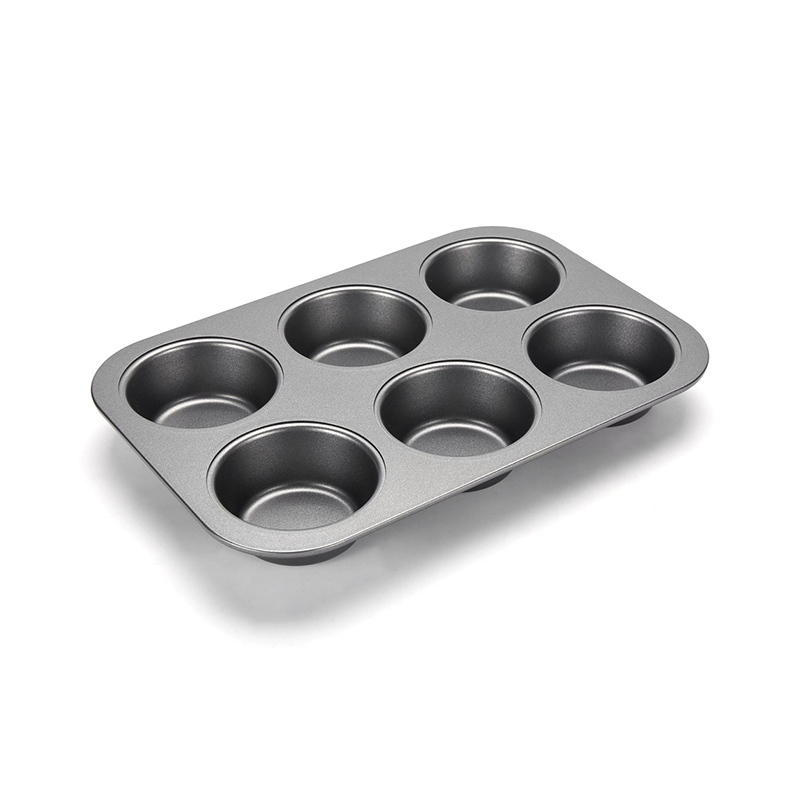
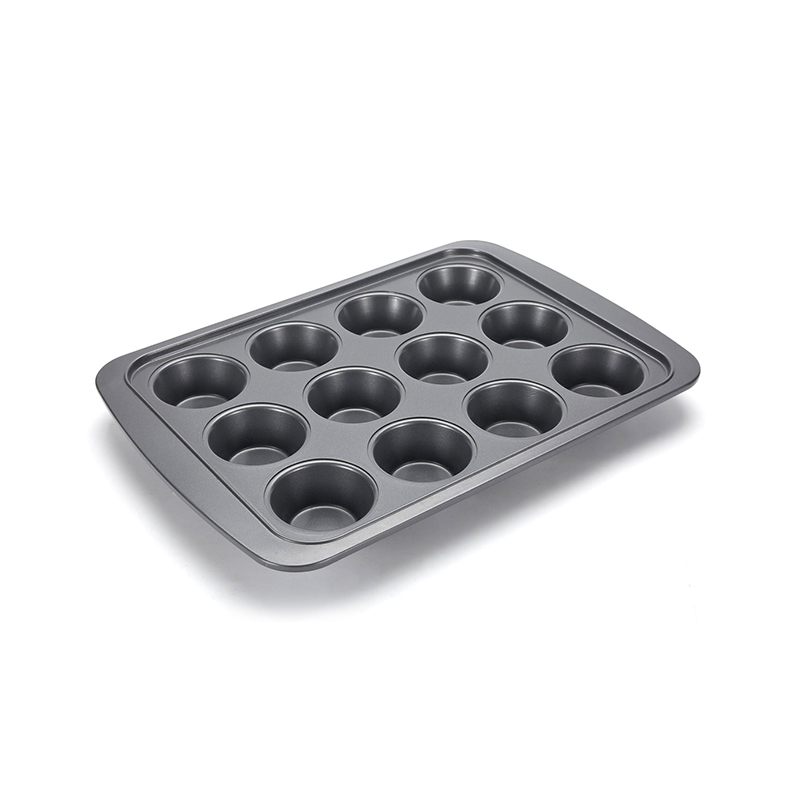
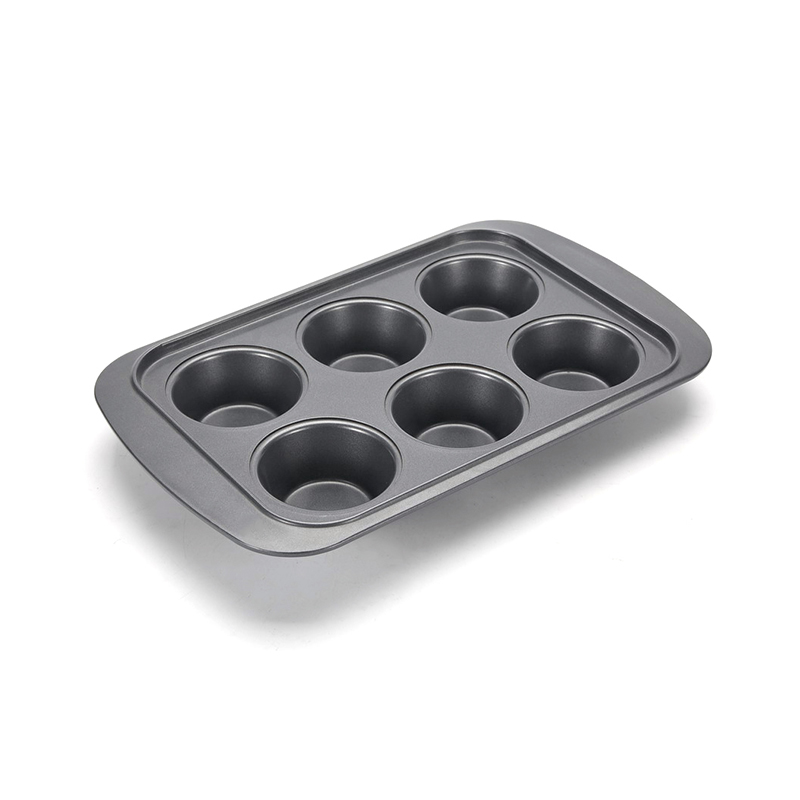
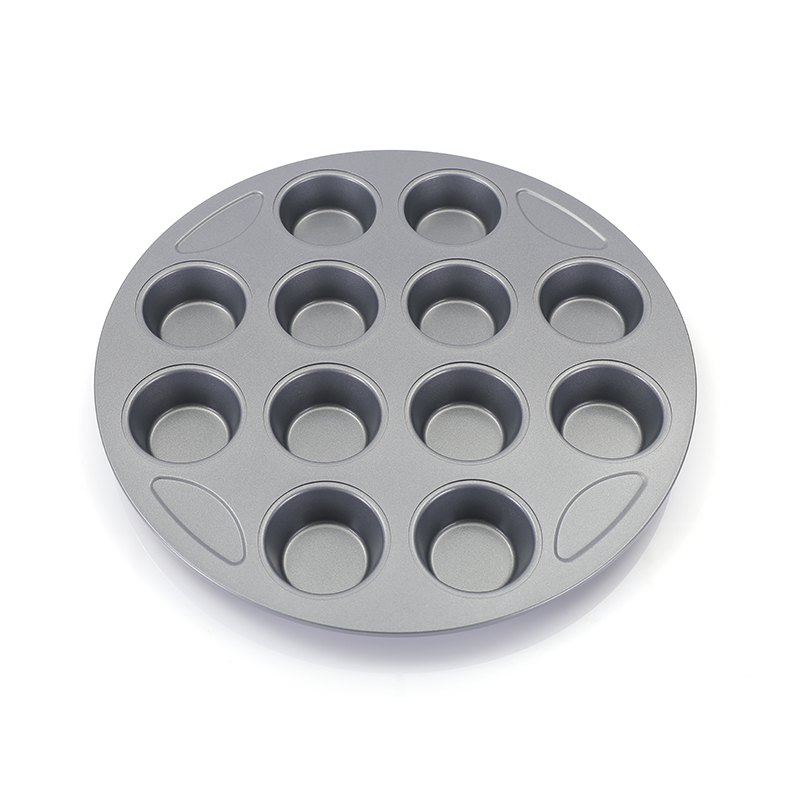
A wholesale catalogue may include baking trays, cake pans, pizza pans, cookie cutters, and other baking accessories. Each category serves a different purpose within the market, allowing distributors to supply retailers with several related product types through one sourcing channel.
However, a larger catalogue does not automatically create a stronger product offering. Buyers need to consider which categories are relevant to their existing customer base and which items can complement products already in stock. For example, a distributor specializing in general kitchenware may prioritize commonly used bakeware, while a supplier serving baking equipment retailers may require more variation in shapes and dimensions.

When evaluating Household Baking Tools, buyers can compare product coverage, available sizes, design options, and the consistency of the supplier's specifications. This approach helps create a more organized assortment instead of adding products without a clear commercial purpose.
Product Specifications Support Purchasing Decisions
Accurate specifications are essential when products are purchased in bulk. Dimensions, material descriptions, surface treatments, packaging details, and model numbers should be clearly documented so that buyers can compare items and maintain reliable product records.
Even products that appear similar may differ in thickness, depth, edge design, or coating. These variations can affect the intended market positioning and the information required for product listings. Buyers should therefore confirm specifications for each model rather than assume that similar-looking products share the same construction.
For Household Baking Tools, consistent documentation also supports repeat purchasing. When a distributor reorders an existing item, matching the original model details reduces the risk of confusion between product versions. Clear records can also help sales teams answer downstream customer enquiries without repeatedly requesting information from the factory.
Material and Quality Requirements Need Verification
Material selection and surface treatment are important considerations in bakeware sourcing. Metal composition, product thickness, forming quality, coating characteristics, and finishing can vary by model and manufacturing process. Buyers should evaluate these factors according to the product's intended market and applicable requirements.
Non-stick surfaces, for instance, may be relevant to certain product ranges, but the coating type and care instructions should be confirmed from the actual product specifications. Food-contact compliance documents and test reports may also be required depending on the destination market and the product concerned.
A supplier's product catalogue provides an initial reference, not a substitute for technical confirmation. Before placing a large order for Household Baking Tools, importers can request model-specific information and confirm which quality checks and documentation are available for the selected items.
Customization and Order Planning
For private-label and wholesale projects, product selection may be only one part of the sourcing process. Buyers may also need to discuss logo application, retail packaging, barcode labels, carton information, and the possibility of combining different products within one order.
These requirements can affect production arrangements and order planning. Minimum order quantities, sample availability, lead times, and customization options should be confirmed directly with the manufacturer rather than assumed to be the same across all product categories.
A structured enquiry makes the process more efficient. Buyers can provide a list of target products, required dimensions, estimated quantities, destination market, and packaging preferences. The factory can then assess the request against the available product range and confirm which details can be accommodated.
This preparation is particularly useful when sourcing Household Baking Tools for multiple sales channels, where product presentation and specification consistency may need to be maintained across different listings or retail programmes.
Supplier Coordination Across Multiple Categories
Working with a supplier that offers several related bakeware categories can simplify communication and product coordination. Buyers may be able to discuss baking trays, cake pans, pizza pans, and cookie cutters within one sourcing project instead of managing every category separately.
Yongkang Changheng Metal Products Factory and its affiliated Zhejiang Bakeware Industry and Trade Co., Ltd. offer a range that includes these bakeware products. For B2B buyers, the next step is to confirm the specific models, specifications, order conditions, and documentation available for the products under consideration.
A reliable sourcing decision depends on more than catalogue breadth. When assessing Household Baking Tools, distributors and importers should look for a product range that fits their market, clear model-level information, realistic order arrangements, and consistent communication throughout the purchasing process. These factors provide a more practical basis for developing a long-term bakeware assortment.