


 English
  Deutsch
  Español
 Understanding Roasting Pan Design
Importance of side height: The height of the sides in a roasting pan plays a crucial role in cooking performance, heat distribution, and moisture retention.
Impact on cooking results: Selecting a pan with appropriate side height ensures even roasting, prevents spillage, and optimizes flavor development.
Versatility considerations: Side height can affect the types of dishes a pan can handle, from large poultry to roasted vegetables or braised meats.
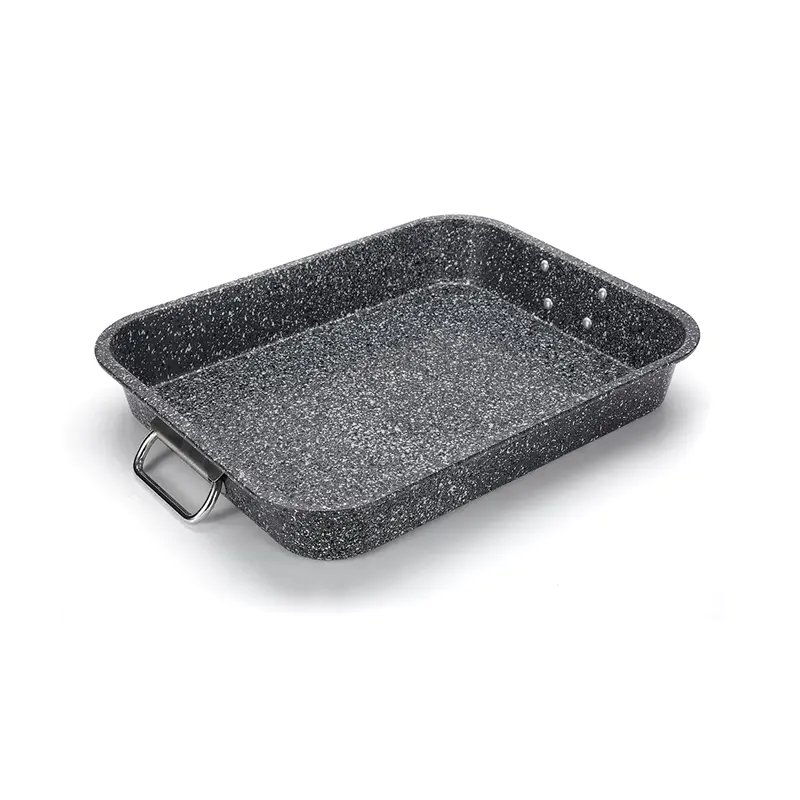
Heat Distribution and Circulation
- Even cooking: Higher sides can influence how heat circulates through the food. Taller sides may trap heat, creating a more oven-like environment, whereas shorter sides allow for more direct airflow.
- Browning and crisping: Shallow pans allow moisture to escape quickly, promoting browning and crispy exteriors. In contrast, taller sides may create a more humid environment, slightly reducing crispiness.
- Prevention of hot spots: A well-designed pan balances side height to prevent uneven cooking, ensuring meat and vegetables roast uniformly.
Moisture Retention and Juiciness
- Retention of natural juices: Deeper sides help capture drippings and moisture, which can be used to baste the meat or create pan sauces.
- Reduced drying out: Foods in taller pans are less exposed to direct oven air, reducing the risk of over-drying.
- Balancing evaporation: While retaining moisture is beneficial for certain meats, excessive trapping can result in steamed rather than roasted textures.
Food Volume and Layering
- Accommodating larger cuts: Taller sides are ideal for roasting whole chickens, turkeys, or large cuts of beef, preventing overflow during cooking.
- Layering vegetables: Deep pans allow layering of vegetables beneath the meat, absorbing drippings and flavors.
- Avoiding crowding: Proper side height prevents overcrowding, which can cause uneven cooking and longer roasting times.
Safety and Spill Prevention
- Containment of juices: Deep sides reduce spillage when transferring the pan in and out of the oven.
- Reducing oven mess: Taller pans help prevent drippings from falling onto oven racks, keeping the oven cleaner.
- Handling considerations: While deeper pans offer benefits, they may be heavier when filled, requiring careful handling and heat-resistant mitts.
Versatility for Different Cooking Techniques
- Braising and roasting: Higher sides make a pan suitable for braising in addition to roasting, accommodating liquids alongside the meat.
- Shallow pan benefits: Shorter sides excel at roasting smaller cuts or vegetables, allowing quick evaporation and better caramelization.
- Combination cooking: Some pans feature removable racks, letting users adjust for either shallow or deep cooking as needed.
Influence on Oven Performance
- Airflow around food: Pan depth affects hot air circulation, which can impact browning and evenness in convection ovens.
- Energy efficiency: Taller pans retain more heat, potentially reducing cooking time for large roasts, but may require higher oven temperatures for browning.
- Oven size compatibility: Choosing a pan with an appropriate side height ensures it fits properly in the oven without obstructing airflow.
Cleaning and Maintenance Considerations
- Ease of cleaning: Shallow pans are generally easier to clean, with less surface area for food residue to accumulate.
- Handling drippings: Deeper pans capture more juices, which may require soaking or careful washing to remove baked-on fats.
- Material choice impact: Stainless steel, nonstick, and coated pans handle liquids differently, so side height must be paired with the proper material for easy maintenance.
Choosing the Right Side Height
- Assess cooking needs: Consider the types of meals you frequently prepare—whole birds, large roasts, layered vegetables, or sheet-style roasting.
- Balance between height and accessibility: Deep pans provide more space but can be harder to access, whereas shallow pans allow easy basting and checking doneness.
- Consider weight and storage: Taller pans hold more, but may be heavier and require more storage space in your kitchen.
Conclusion
- The side height of a roasting pan significantly impacts cooking outcomes, from moisture retention and browning to safety and versatility.
- Shallow pans encourage crisping and fast evaporation, ideal for small cuts and vegetables, while taller sides enhance juiciness and allow for braising or layered roasting.
- By understanding the effect of side height, home cooks can select the suitable pan for their cooking style, oven type, and recipe requirements.
- Balancing side height with pan size, material, and intended use ensures both practical convenience and culinary well-being in every roasting experience.