


 English
  Deutsch
  Español
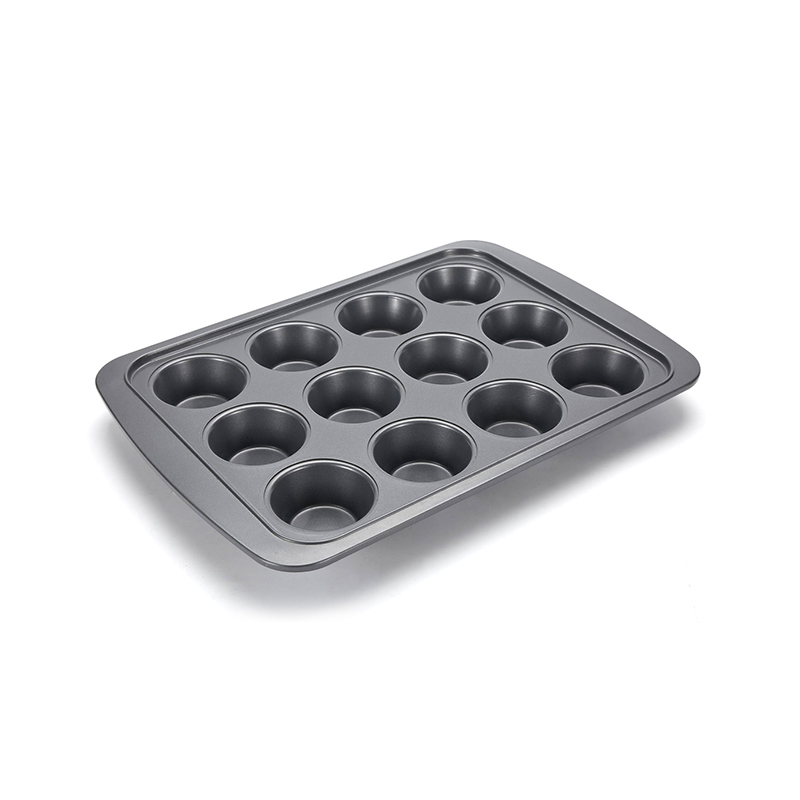
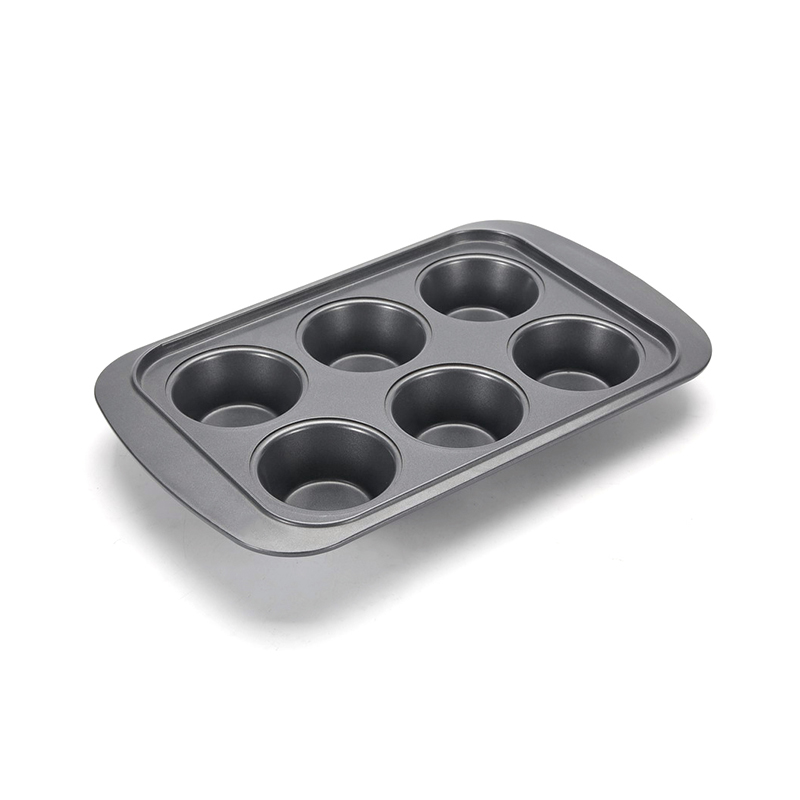
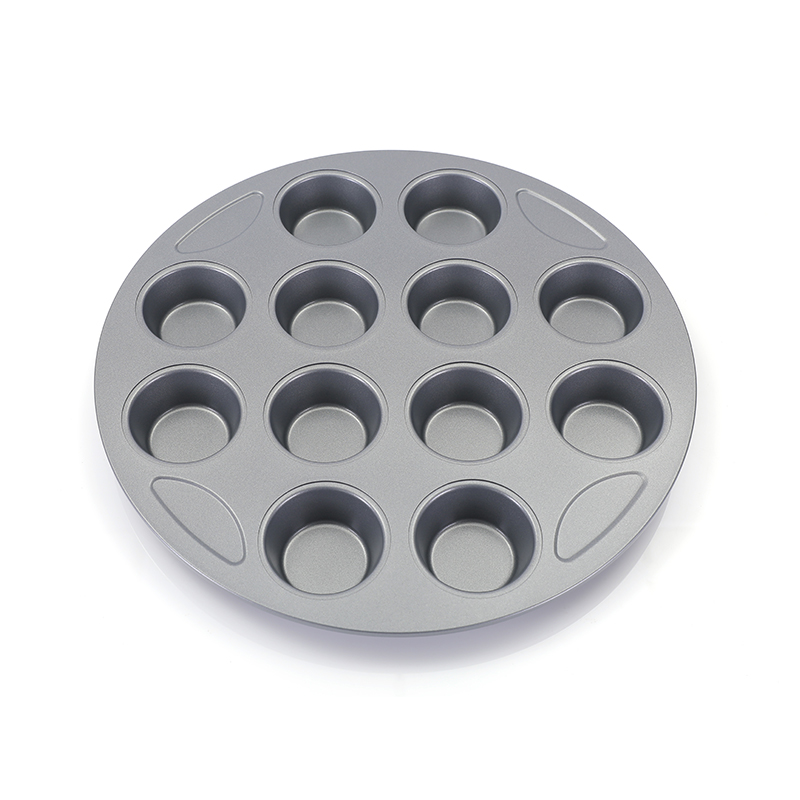
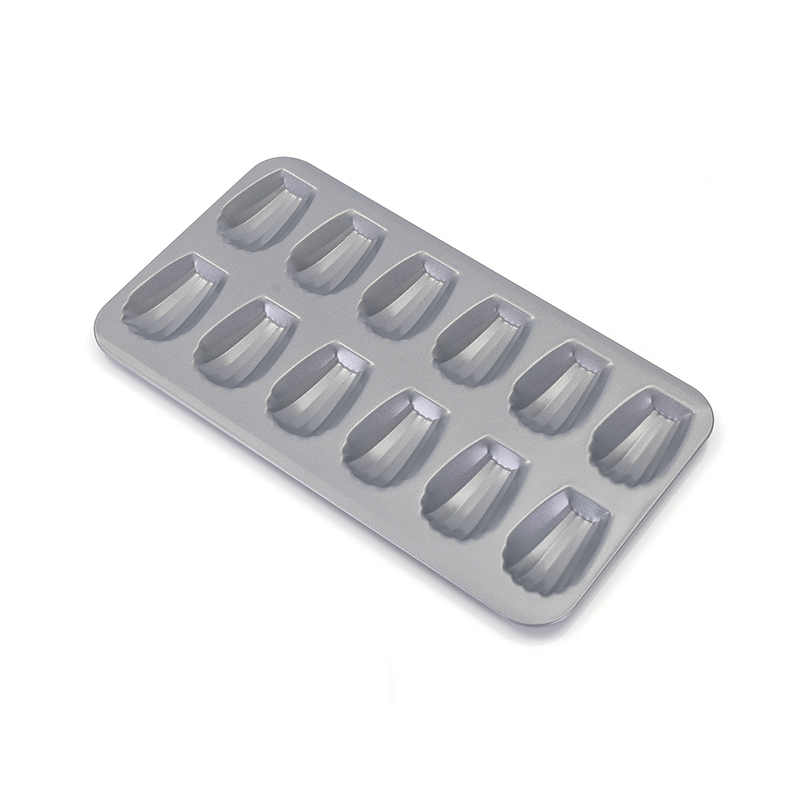
 A non stick cake pan that releases cleanly on the showroom sample and then starts sticking after fifty bakes is a common quality complaint bakeware distributors report, and the gap between those two experiences almost always traces back to coating grade rather than anything visible on the pan at the point of sale.
Coating Thickness Determines How Many Bake Cycles Before Performance Drops
A thin, single-pass non-stick coating looks identical to a properly built multi-layer coating right out of the box, but the thin version wears through at contact points — the base center and the rim edge — after a fraction of the bake cycles a thicker, properly cured coating tolerates. Buyers sourcing a non stick cake pan for commercial bakery or high-turnover retail use should ask suppliers for coating thickness specifications in microns rather than accepting a general "non-stick" description, since two pans that look the same on delivery can diverge sharply in release performance within months of regular use.
PFOA-Free Compliance Needs Documentation, Not Just a Label Claim
PFOA-free coating claims should be backed by an actual test report from a named laboratory, particularly for buyers importing into markets with strict food-contact chemical regulations. A supplier stating PFOA-free status on packaging without supporting documentation leaves buyers exposed during a customs or retailer compliance review, since a marketing claim carries no legal weight on its own. Buyers should request the specific test standard referenced and confirm it applies to the exact coating formulation used on the SKU being ordered, not a general statement covering the supplier's full catalog.
|
Coating Build |
Thin Single-Pass Coating |
Multi-Layer Cured Coating |
|
Release consistency over time |
Degrades after moderate use |
Holds up through extended use |
|
Typical wear pattern |
Fails early at base center and rim |
Wears evenly across the surface |
|
Suited buyer segment |
Light home or gift-channel use |
Commercial bakery, high-turnover retail |
|
Cost per unit |
Lower |
Moderately higher |
Base Metal Choice Affects How Evenly the Coating Performs
The metal underneath a non stick cake pan's coating matters as much as the coating itself, since heat distribution across the base determines whether the coating experiences uniform thermal stress or develops hot spots that accelerate localized wear. Aluminized steel bakeware conducts heat more evenly across the pan surface than plain steel, which means the coating ages at a consistent rate rather than breaking down faster in isolated hot zones near the pan's center. Buyers should ask whether coating durability testing was conducted on the same base metal used in production, since results from a different substrate don't reliably transfer.
Rim and Corner Reinforcement Prevents Warping That Damages the Coating
A pan that warps slightly under high oven heat creates uneven contact with the baking surface, and that warping stresses the non-stick coating at the point where the pan lifts away from flat contact. Reinforced rolled edges resist this warping better than a simple cut edge, keeping the pan flat through repeated high-heat cycles and protecting the coating from the mechanical stress that warping introduces. Buyers should examine rim construction specifically when evaluating a non stick cake pan line intended for repeated commercial use, since edge reinforcement rarely appears as a distinct spec line even though it directly affects coating longevity.

Customization Requests Concentrate Around Size and Coating Color
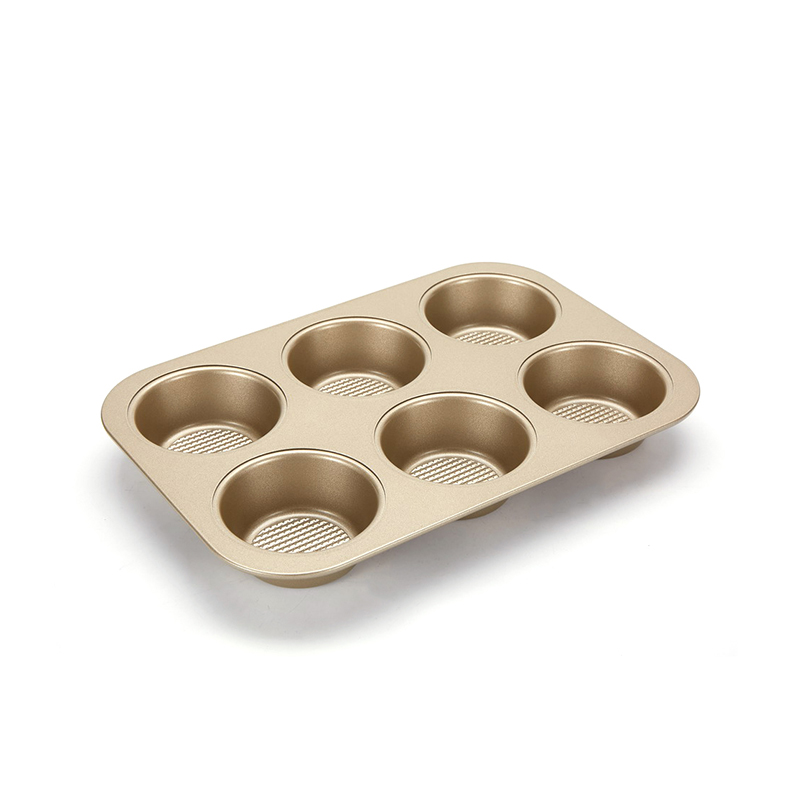
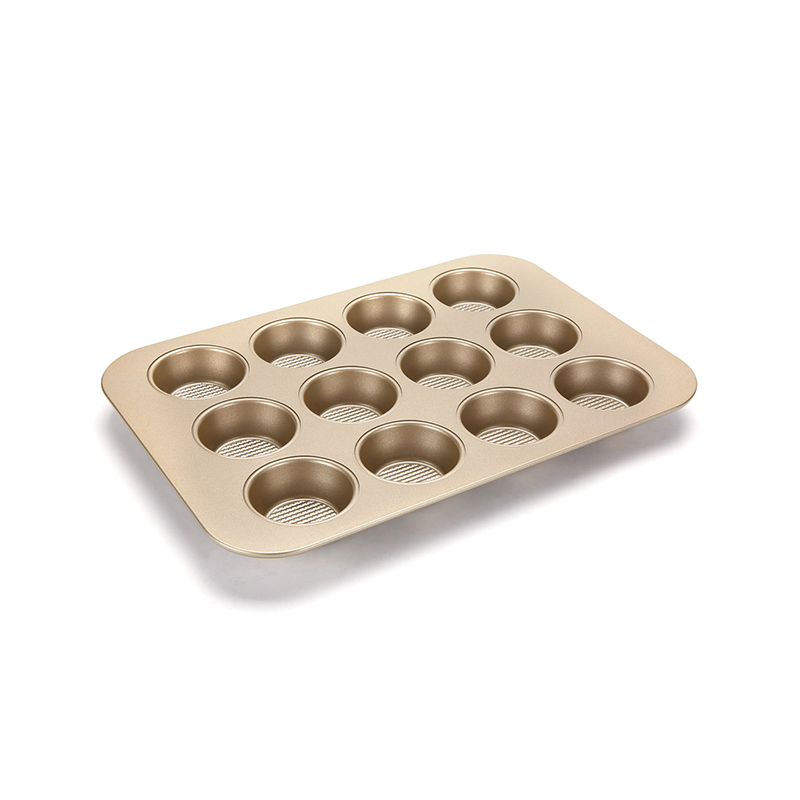
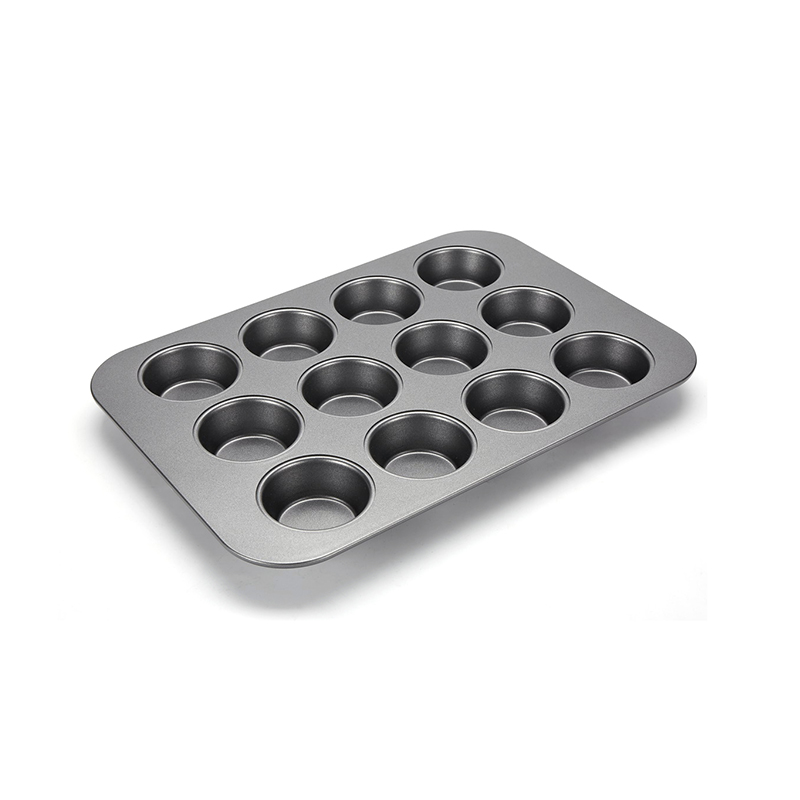
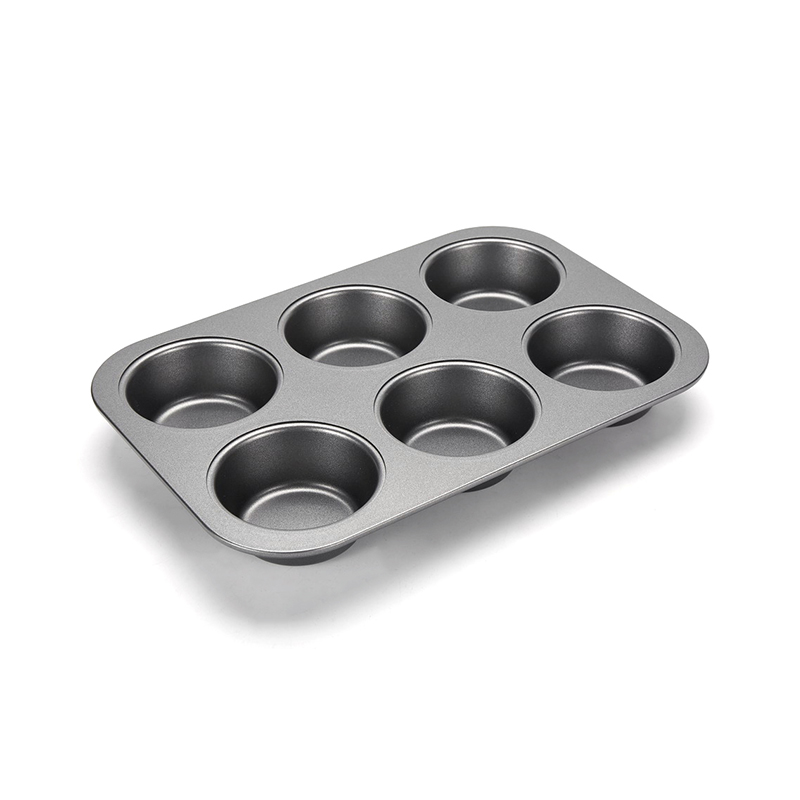
Buyers requesting private-label bakeware commonly ask for size adjustments within an existing mold family and coating color changes — gray, black, or gold-tone finishes — rather than entirely new pan geometries. An OEM cake pan manufacturer capable of applying different coating colors to a shared base mold can turn around branding variations faster than one that treats every color request as requiring new tooling, and buyers should confirm which coating colors are compatible with the base metal being used before finalizing an order.
Packaging and Handling During Transit Affect Coating Condition on Arrival
A non stick cake pan with a properly cured, durable coating can still arrive at a buyer's warehouse with surface scuffs if packaging doesn't separate units adequately during transit, since pans nested or stacked without protective layers rub against each other's coated surfaces throughout a long shipping journey. Manufacturers using individual protective sleeves or foam separators between stacked units reduce this transit damage risk considerably compared to bulk-packed cartons where pans sit in direct contact. Buyers placing container-volume orders should ask specifically how units are separated within cartons, since this detail affects arrival condition more than many buyers anticipate when evaluating a supplier primarily on coating specifications alone.
Retail and Commercial Buyers Prioritize Different Coating Attributes
A non stick cake pan destined for general retail shelves typically prioritizes visual appeal and immediate release performance for occasional home use, while the same base pan supplied to a commercial bakery account needs coating durability validated across hundreds of cycles rather than dozens. Suppliers capable of offering tiered coating options — a standard grade for retail and a reinforced grade for commercial accounts — from the same base mold give buyers flexibility to match product tier to the actual end-use channel rather than paying for commercial-grade durability in a retail product that will rarely see the cycle volume that justifies the added cost.