


 English
  Deutsch
  Español
 When home cooks prepare pizza in a standard kitchen oven, the choice of Pizza Pan often shapes the crust texture, moisture level, and overall baking performance. As more households explore various pizza styles and expand the role of bakeware beyond pizza alone, understanding how pan materials affect results becomes increasingly relevant.
Different Materials, Different Baking Behaviours
Cast Iron
Cast-iron pans hold heat steadily and warm gradually, which helps dough cook from the bottom up. This makes them suitable for deep-dish pizzas, thicker crusts, and styles requiring longer baking cycles. The slow, even heat supports consistent browning while helping toppings cook evenly. Cast iron can also be used for breads, roasted vegetables, or skillet-style desserts, making it a practical tool for multiple kitchen tasks.
Perforated Steel
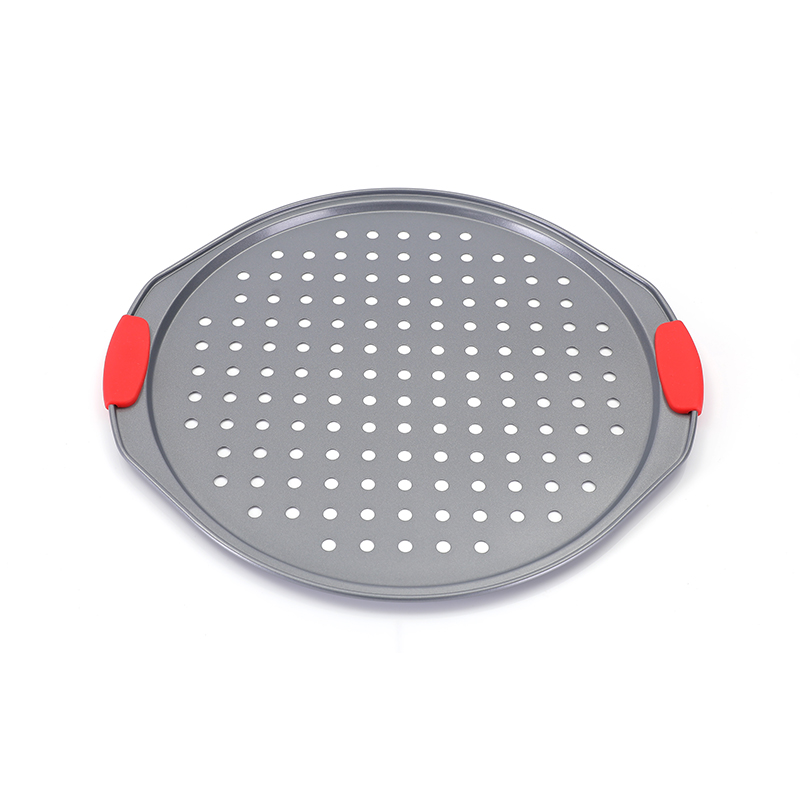
Perforated steel pans include small holes that encourage airflow beneath the dough. These openings help moisture escape, which reduces the chance of a soggy bottom crust. For home cooks aiming for a crisp base, especially with thin-crust or rectangular pizzas, perforated designs offer a dependable structure. They heat quickly, distribute warmth evenly, and can handle multiple baking applications beyond pizza.
Aluminum
Aluminum pans warm up quickly, making them convenient for lighter pizzas or doughs that do not require prolonged heat exposure. While they may not retain warmth as effectively as cast iron or heavy-gauge steel, aluminum pans are lightweight and easy to manoeuvre. They are often used for cookies, flatbreads, and small-batch roasting tasks due to their manageable weight and predictable heating pattern.
Non-Stick Coated Pans
Non-stick pans support clean food release and simple cleanup, which appeals to home cooks who prepare pizza regularly. Their surfaces help dough maintain shape and prevent tearing when removing pizza from the pan. These pans also accommodate a wide range of tasks, including reheating bread, baking pastries, or warming small dishes. They can be a convenient option for busy kitchens focused on efficiency.
Pizza Styles and Pan Compatibility
Different pizza traditions rely on different levels of heat, moisture management, and crust thickness. Choosing the right pan can help home cooks match their target style more closely.
Thin-Crust Pizza
Thin dough benefits from pans that manage moisture well and support higher airflow. Perforated steel pans work effectively here, as they help prevent soft or undercooked bottoms and encourage a balanced crisp texture.
Pan Pizza
Pan pizza uses thicker dough and often includes more cheese and toppings. Cast iron or heavy steel pans are suitable for these styles, as their heat retention supports longer baking without uneven cooking.
Deep-Dish Pizza
Deep-dish pies require both structure and steady heat. Cast iron pans provide a firm base and walls for shaping the crust, while maintaining even warmth throughout the baking cycle.
Rectangle or Detroit-Style Pizza
These pizzas often require pans that warm consistently across a flat surface. Steel pans, including perforated versions, are commonly selected for their ability to brown edges and create a balanced texture.
Beyond Pizza: Everyday Baking Uses
Many households choose to use pizza pans for far more than pizza. The flat or shallow design makes them suitable for:
- Bread loaves or focaccia
- Cookies and pastries
- Roasted vegetables
- Reheating leftovers
- Oven-to-table serving
This versatility encourages consumers to select pans that offer both performance and durability. Manufacturers such as BG Kitchenware provide multiple material options to help home cooks match pans to their cooking habits, whether for frequent pizza nights or broad baking needs.
Summary
Selecting the right Pizza Pan can influence crust crispness, heating consistency, and moisture control in homemade pizza. Cast iron, perforated steel, aluminum, and non-stick pans each offer distinct advantages depending on the desired style and cooking method. At the same time, their usefulness extends beyond pizza preparation, supporting a wide range of everyday baking tasks in modern kitchens.