


 English
  Deutsch
  Español
 For bakers who move beyond basic round tins, the choice of a non stick cake pan affects more than just release. It changes how heat travels through the batter, how the crust forms, and how much preparation work is needed before the first ingredient is measured.
A non stick cake pan is not simply a regular pan with a coating added. The entire construction, from the metal core to the surface finish, influences baking results. Understanding these differences helps in selecting the right pan for specific recipes.
Coating thickness and release behavior
Not all non-stick surfaces perform the same way. A non stick cake pan relies on the coating to create a low-friction layer between the metal and the batter.
When the coating is applied evenly and at sufficient thickness, cakes release without tearing or leaving chunks behind. Thinner coatings may work at first but often degrade faster after repeated use. The quality of the bond between coating and metal also affects how long the pan remains effective.
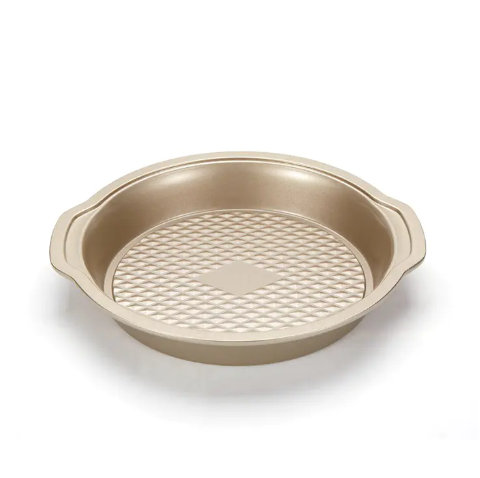
Metal core and heat spread
Underneath the coating, the base metal determines how evenly the pan heats. A non stick cake pan made from aluminum spreads heat smoothly across the bottom and up the sides. That even heat helps cake layers bake at the same rate from edge to center.
Steel cores heat differently. They take longer to warm up but hold temperature more steadily. That can work well for dense batters like pound cake, where consistent heat over a longer bake time matters more than quick response.
Edges and corners affect baking results
The transition from bottom to side wall is not the same across all non stick cake pan models. Sharp, straight corners work well for layer cakes that need clean edges for stacking. Rounded corners make it easier to remove delicate cakes without breaking, but they change the final shape.
Some pans have slightly angled sides. That design helps with release but reduces the straight wall height that some recipes expect. Checking the interior shape matters just as much as checking the coating.
Dark versus light surfaces
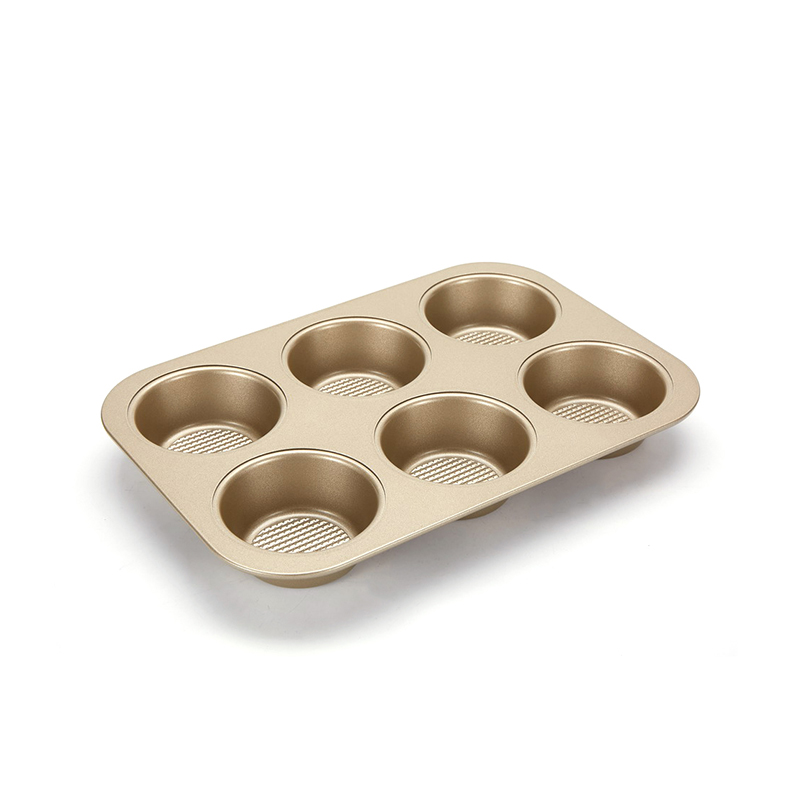
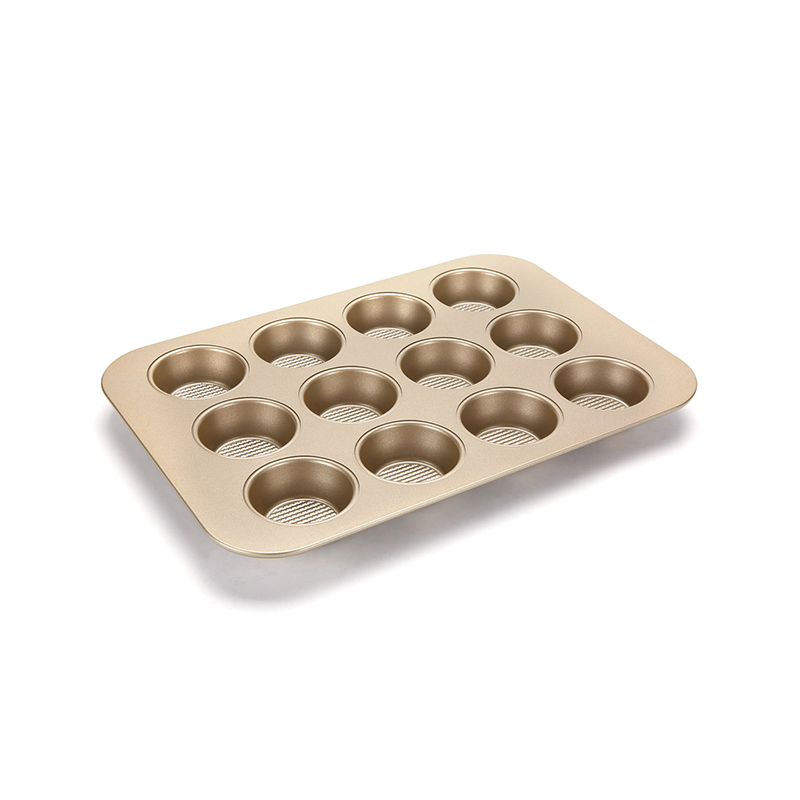
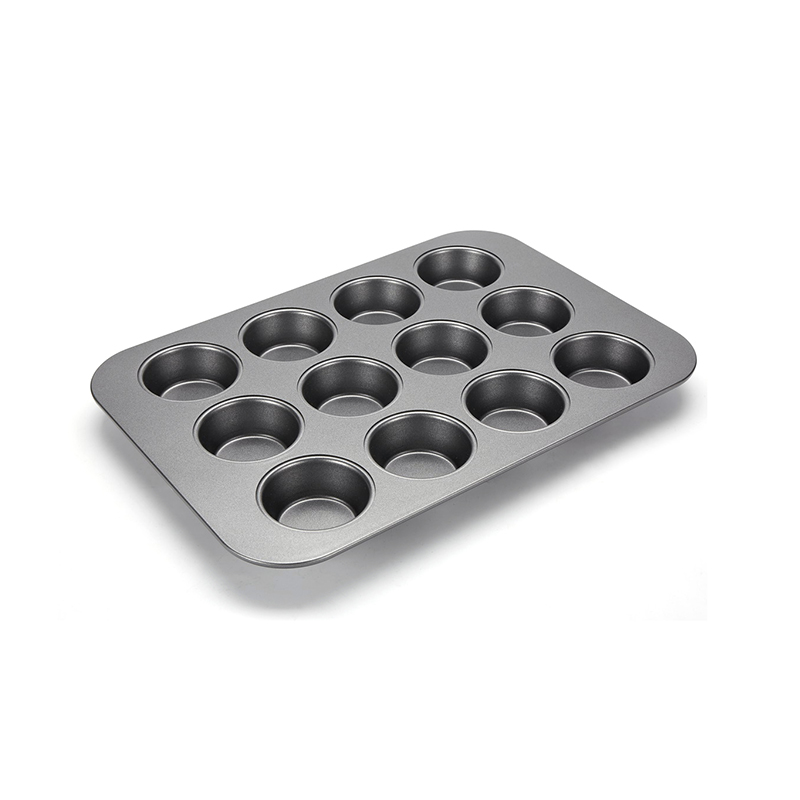
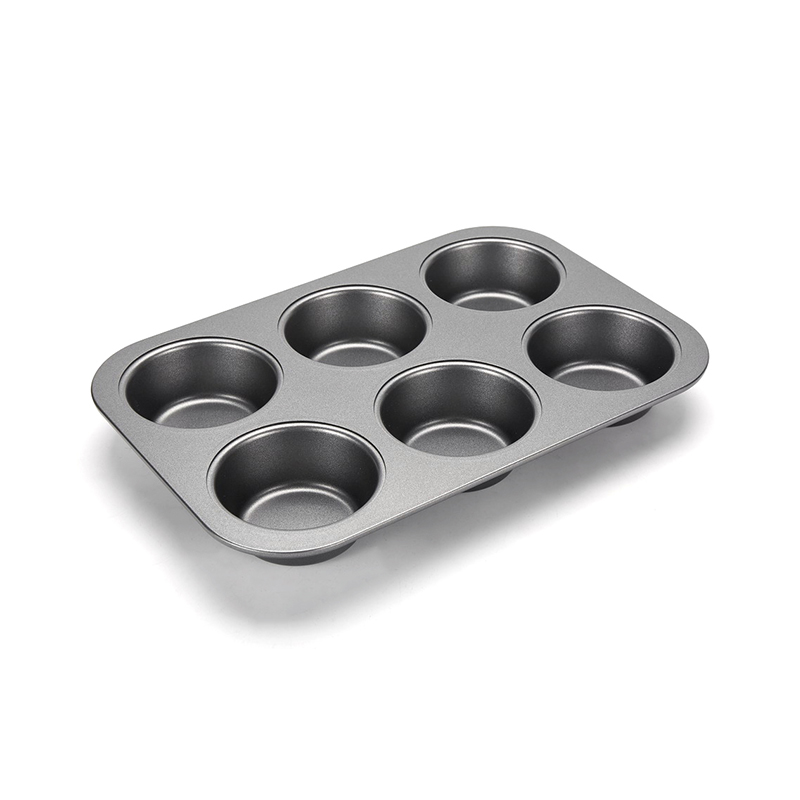
A non stick cake pan with a dark surface absorbs more oven heat than a light-colored one. Darker pans can cause the outside of the cake to brown faster while the inside catches up. That works well for recipes that benefit from a firmer crust, like brownies or fruit cakes.
Lighter surfaces reflect more heat, which slows down browning. For delicate sponges or light-colored layer cakes, a lighter non stick cake pan gives more control over crust color.
Cleaning without damaging the coating
The way a non stick cake pan gets cleaned directly affects how long the coating lasts. Abrasive scrub pads or steel wool scratch the surface. Once scratched, the non-stick property weakens at those spots.
Soft sponges and warm soapy water are usually enough. Baked-on residue often releases after a short soak. Putting a non stick cake pan in the dishwasher is not recommended for most coatings, as harsh detergents and high heat break down the surface over time.
Matching pan to recipe type
Different cakes place different demands on a non stick cake pan. High-sugar batters tend to stick more because sugar caramelizes against the pan surface during baking. For those recipes, a well-maintained non-stick coating makes a noticeable difference.
Butter-based cakes release more easily than low-fat batters. For angel food or sponge cakes that rely on the pan walls for support, non-stick is actually not ideal because the batter needs to grip the sides to rise properly. Knowing when to use a non stick cake pan and when to reach for an uncoated or aluminum pan is part of consistent baking.
Lifespan and replacement signs
No non stick cake pan lasts forever. Over time, the coating develops tiny scratches, dull spots, or areas where food starts sticking again. When release becomes inconsistent even with greasing, the pan is near the end of its useful life.
Replacing a worn pan restores baking consistency. Keeping one older non stick cake pan for recipes that use parchment paper liners is fine, but for cakes that go directly against the metal surface, a fresh pan gives better results.
Practical selection for home bakers
When choosing a non stick cake pan, consider the type of cakes baked most often. Layer cakes benefit from straight, sharp edges and even heat distribution. Brownies or bar cookies are more forgiving and can use a range of shapes and depths.
Heavier gauge metal resists warping over time. Lighter pans heat up faster but may twist slightly in the oven, which affects how the batter settles. A balanced non stick cake pan with medium to heavy weight and a smooth, even coating serves most home baking needs well.