


 English
  Deutsch
  Español
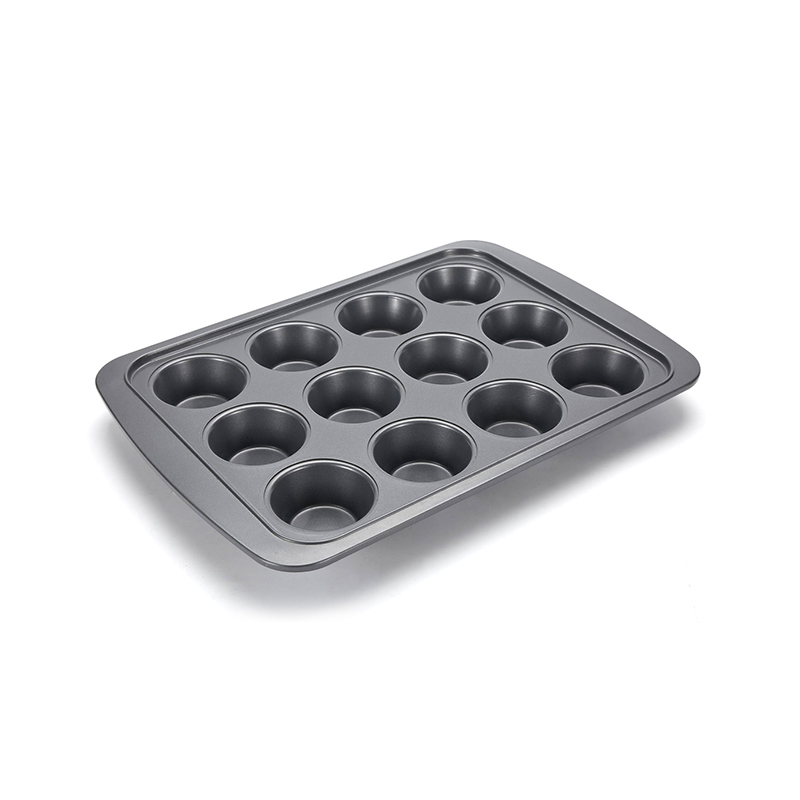
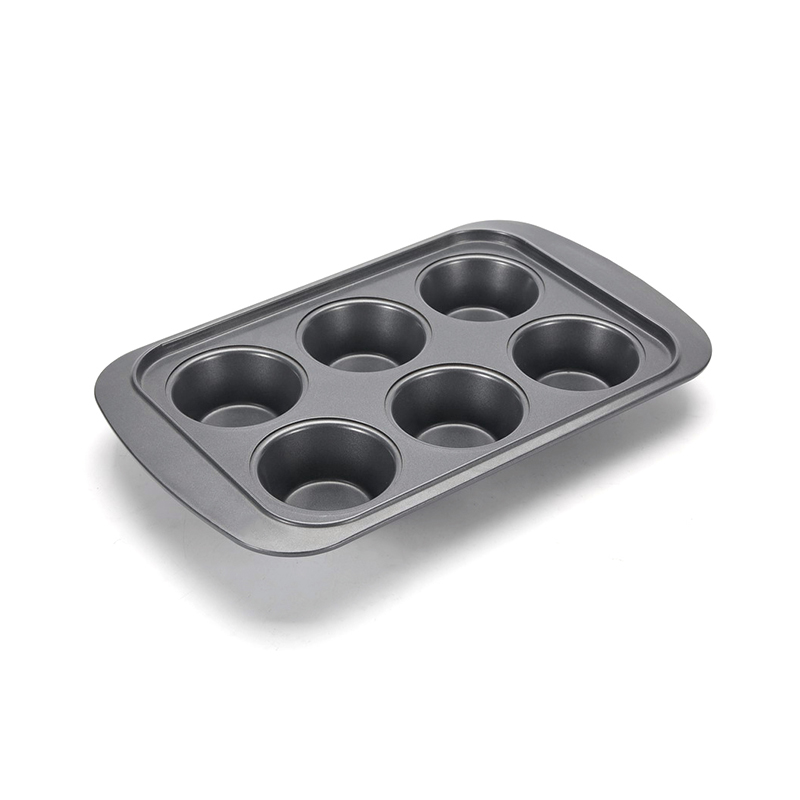
 Walk into any kitchen store, and you'll see shelves full of dark, slick non-stick pans. They promise easy release and quick cleanup. Yet many bakers are switching to cake pans without non stick coating. The choice isn't just about tradition—it's about durability, control, and safety. Non-stick coatings can scratch, peel, or degrade at high heat. Some older formulations raised chemical concerns. While newer coatings are better, many professionals still prefer cake pans without non stick coating for consistent results. Untreated metal conducts heat differently, producing firmer, golden-brown crusts. Properly maintained, these pans last for decades.
How Bare Metal Affects Baking Results
Many cake pans without non stick coating are made from aluminized or carbon steel. Their slightly grippy surface lets batter cling to the walls as it rises. This is essential for delicate cakes like chiffon or angel food. Non-stick surfaces can be so smooth that batter slides, producing denser cakes. Bare metal also transfers heat faster, creating crisp edges on brownies, loaf cakes, and pound cakes. This controlled browning enhances flavor and texture in ways non-stick pans cannot replicate.
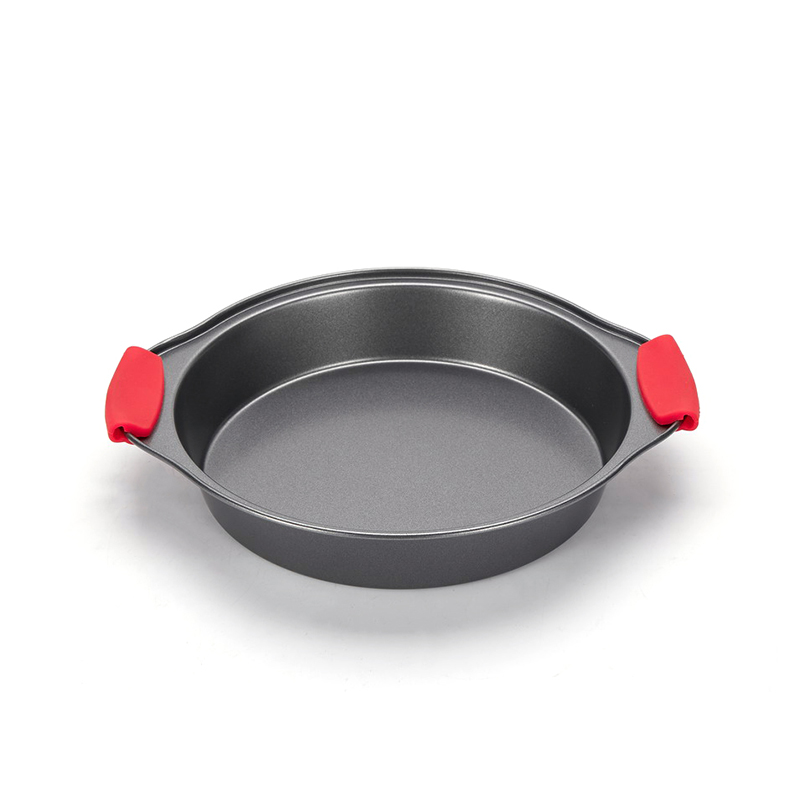
Longevity and the Real Cost of Coatings
Durability is a major reason to choose cake pans without non stick coating. Non-stick pans often last two to four years before cracking or flaking. Once damaged, they can contaminate baked goods. Uncoated pans may discolor or develop a patina over time, but they never shed chemicals. Professional kitchens often rely on these pans for 10–20 years. While the initial cost is similar to coated pans, the long-term value is far higher. For home bakers and small businesses, this reduces recurring purchases.
Coated vs. Uncoated Cake Pans
|
Feature |
Standard Non-Stick Pan |
Cake Pan Without Non Stick Coating |
|
Surface texture |
Slick, smooth |
Bare metal, slightly grippy |
|
Heat transfer |
Moderate |
Fast, direct contact |
|
Crust color |
Light, even |
Darker, crispier edges |
|
Chiffon cake support |
Poor |
Great |
|
Chemical concerns |
Present |
None |
|
Typical lifespan |
2–4 years |
10–20 years |
|
Maintenance |
Hand wash gently |
Can scrub, steel wool fine |
|
Better for |
Cookies, low-fat batters |
Cakes needing structure, deeper crusts |
Three Baking Scenarios Where Uncoated Pans Excel
Angel food cakes rely on batter climbing the pan walls. Cake pans without non stick coating give the necessary friction.
Lemon loaf or brownies gain deep, caramelized crusts. Uncoated pans produce richer browning than non-stick alternatives.
Small bakeries need durable equipment. Carbon steel uncoated pans withstand daily scrubbing and soaking, while non-stick pans wear quickly.
Managing Release and Sticking
Sticking worries are easy to manage with cake pans without non stick coating. Grease the pan well, dust with flour, or use parchment paper. Cocoa powder works for chocolate cakes. Let cakes rest 10 minutes, then run a knife around the edge and invert. Over time, pans season naturally, making release easier without chemical coatings. Well-used uncoated pans often match non-stick performance safely.
Choosing the Right Uncoated Pan
Look for heavy-gauge aluminized or carbon steel. Avoid thin pans that warp at high temperatures. Rolled edges improve strength and safety. Smooth, burr-free surfaces with optional removable bottoms suit delicate cakes. Stackable designs save space for commercial kitchens. Straight sides are ideal for layers; angled sides work for brownies. Check food-safe labeling without secondary coatings.
Professional and Health-Conscious Baking
For bakers focused on quality and safety, cake pans without non stick coating provide clear advantages. Better heat transfer, long life, and zero chemical flaking make them practical. Limited prep with grease and flour yields consistent rise, rich crust color, and decades of reliability. For serious home bakers or commercial kitchens, switching to uncoated pans improves results, reduces replacement costs, and ensures chemical-free baking.