


 English
  Deutsch
  Español
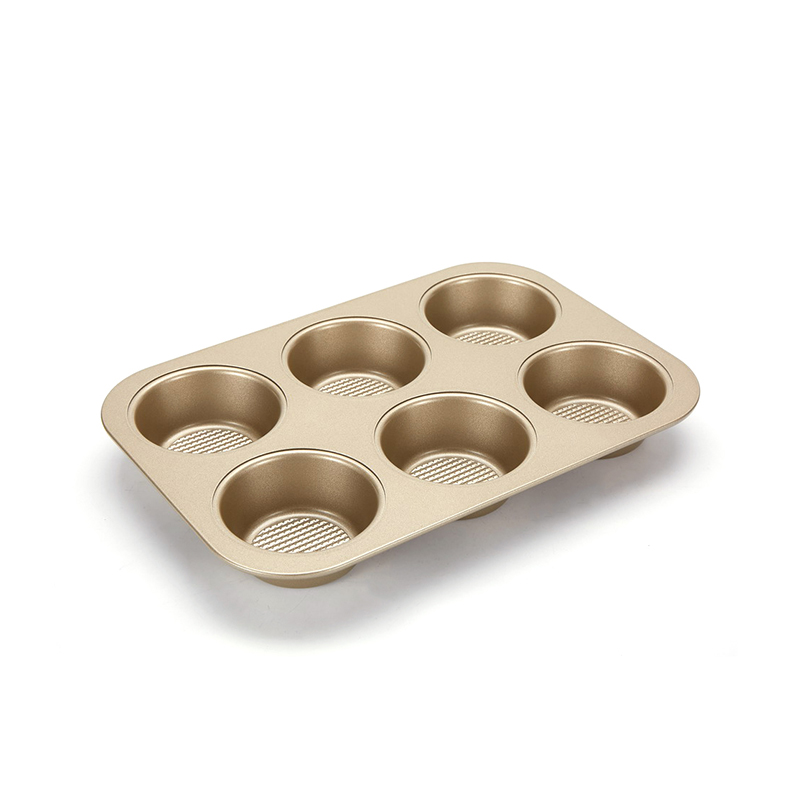
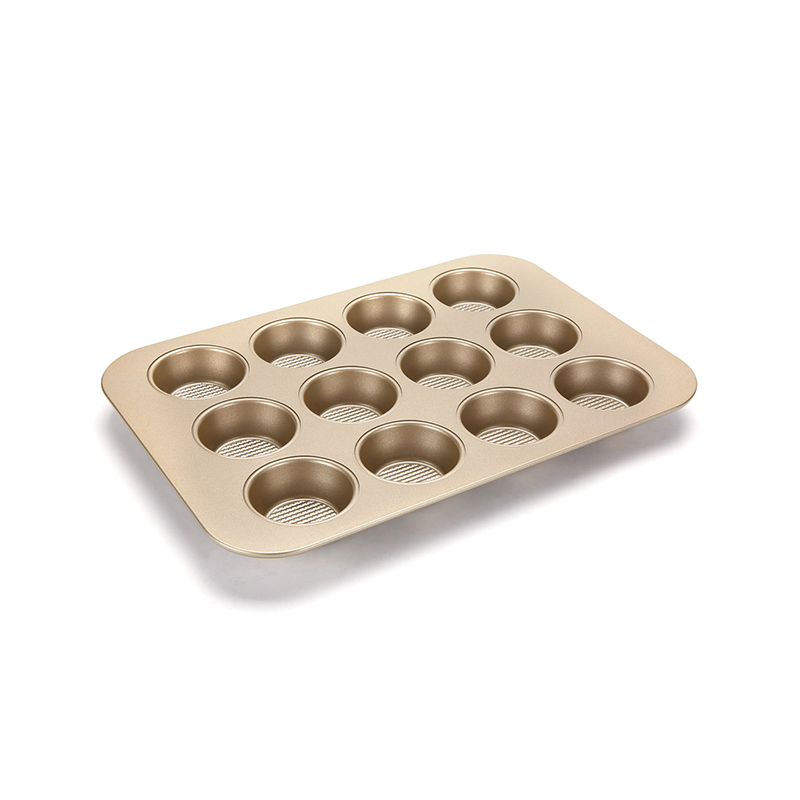
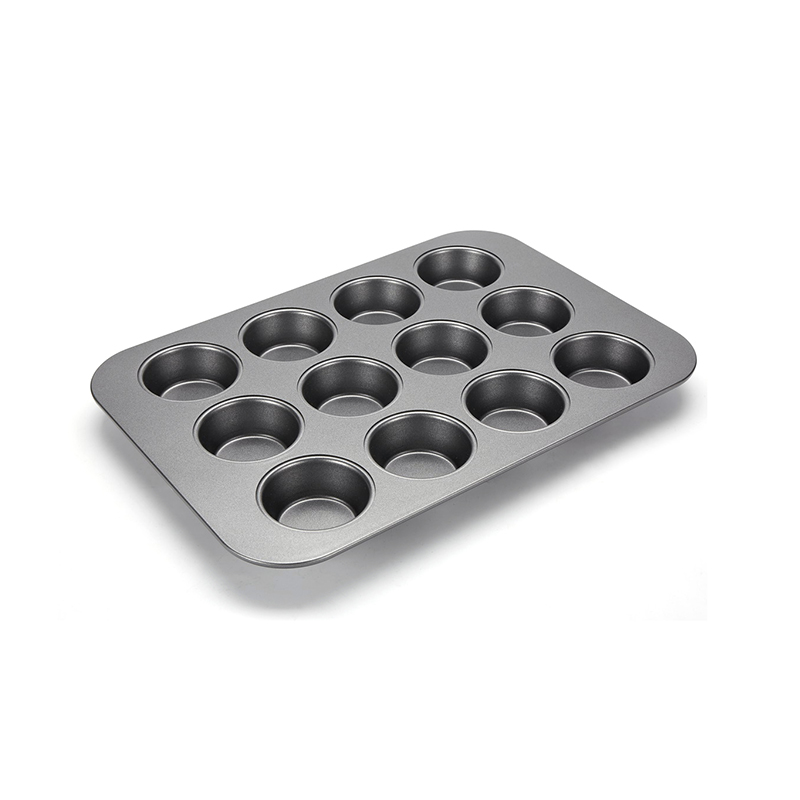
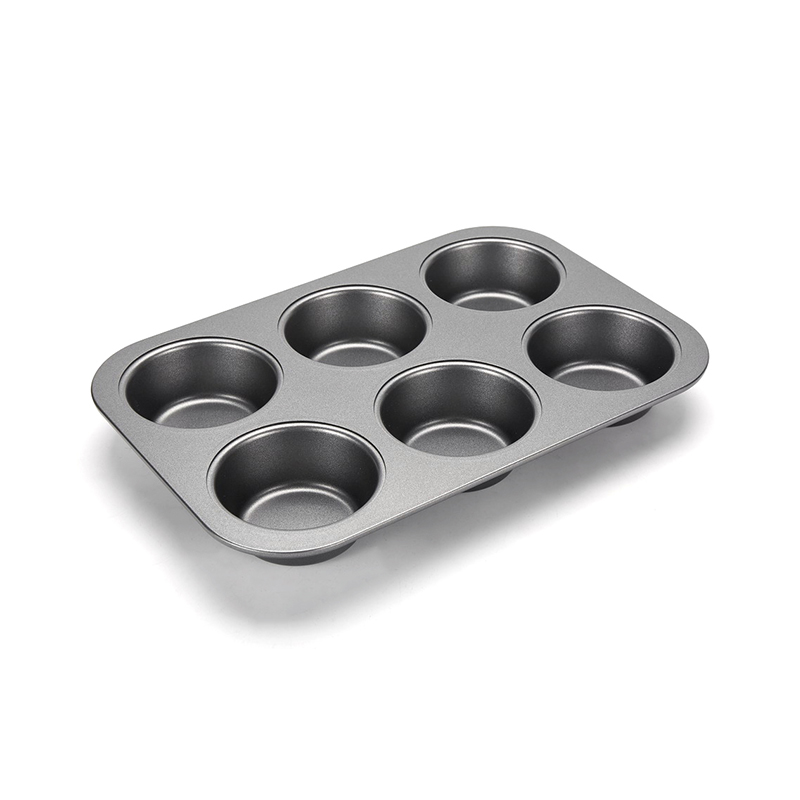
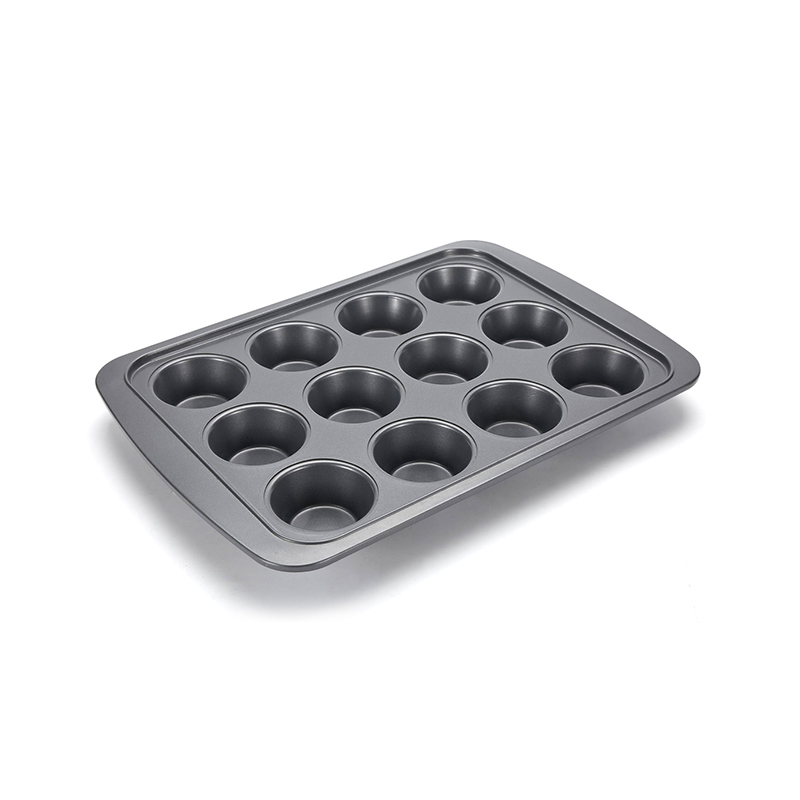
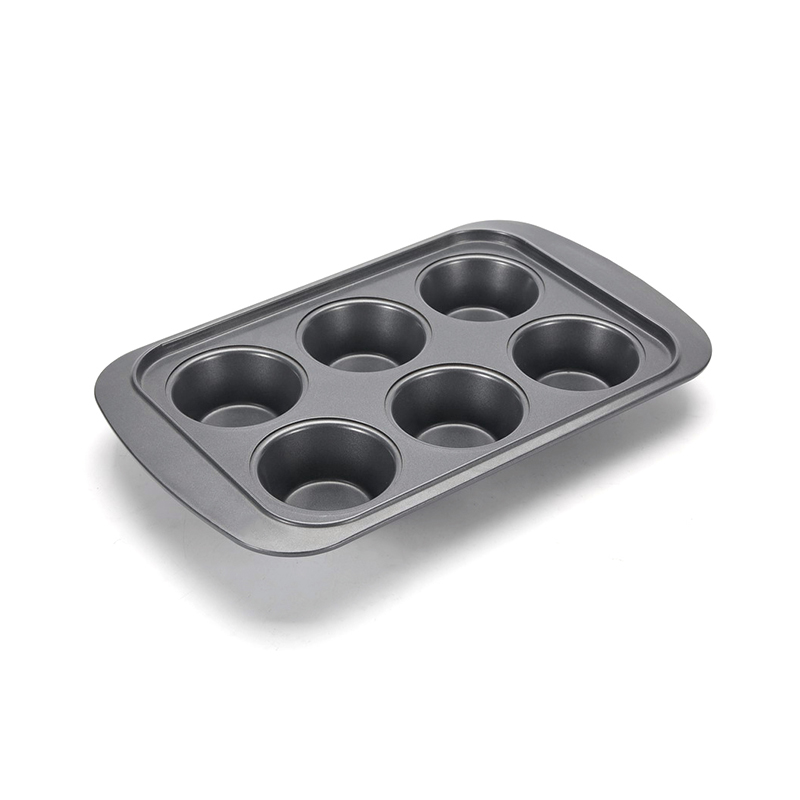
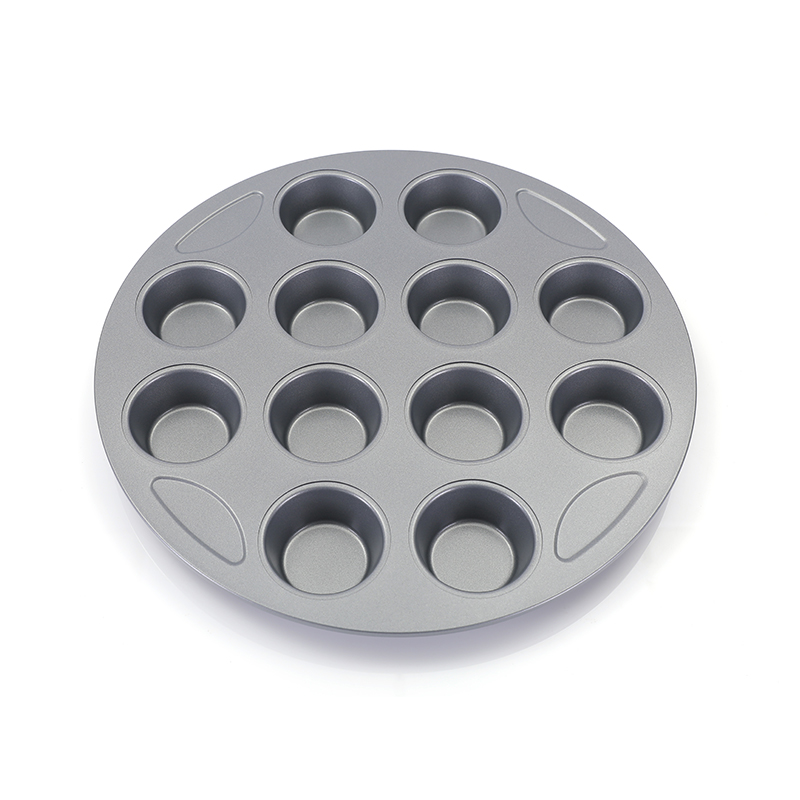
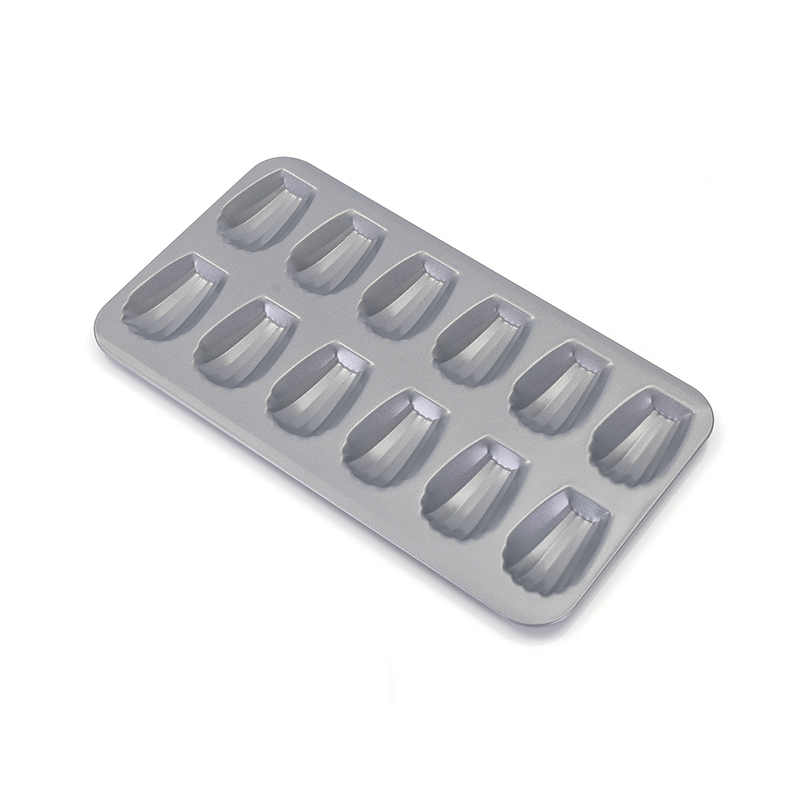
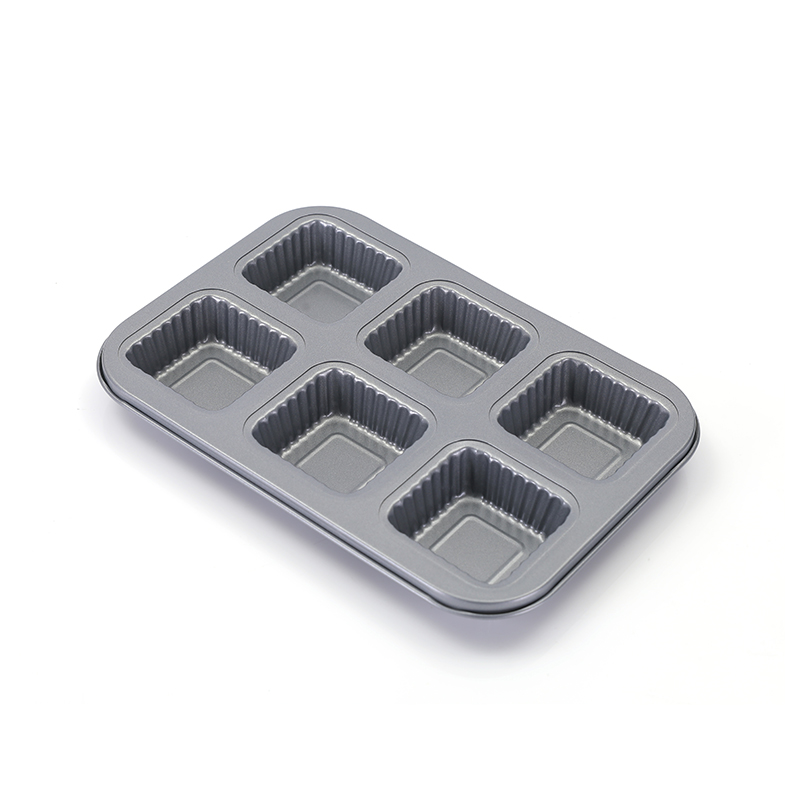
 A professional stainless steel baking pans is expected to remain consistent through hundreds of baking cycles instead of performing well only during its first use. In commercial bakeries, tray condition is observed every day because even small changes can influence production rhythm. Operators rarely discuss the tray itself until something interrupts the normal process, which is why routine observations become more valuable than occasional laboratory testing.
Another phrase commonly appearing in purchasing discussions is stainless steel baking tray, especially when factories compare different tray designs for continuous production lines rather than home kitchens.
Heating And Cooling Never Happen Alone
Inside a bakery, heating is only one part of the working cycle.
The tray enters the oven.
It carries product weight.
It leaves the baking chamber.
Cooling begins immediately.
This sequence repeats throughout the day.
After several hours, workers become familiar with how each professional stainless steel baking pans feels during handling. The difference is usually subtle rather than dramatic. Some trays cool a little faster after being placed on open racks, while others remain warm around the edges for a slightly longer period because of stacking position or surrounding airflow.
Cooling conditions also change from one production line to another.
A tray placed beside an active oven behaves differently from one resting near a ventilation outlet.
These small differences are noticed naturally during daily work instead of formal inspection.
Production Rhythm Changes Everyday Handling
Production rarely follows one fixed pattern.
Some batches contain dense cake mixtures.
Others carry lighter pastries.
Loading weight changes continuously.
Baking time changes with product type.
Because of this, operators pay attention to handling rather than theoretical performance. A professional stainless steel baking pans used for heavier products may return to the loading station later than another tray following a shorter production schedule.
Factory staff sometimes rotate trays between different lines to balance usage instead of allowing the same tray to remain on one machine all week.
The stainless steel baking tray therefore becomes part of the production rhythm rather than an isolated piece of equipment.
Even temporary interruptions influence handling.
A short pause between batches allows additional cooling.
Continuous production reduces that opportunity.
Workers adjust naturally without discussing it.
Factory Records Stay Surprisingly Brief
Maintenance documents inside bakeries are usually concise.
Long technical descriptions are uncommon.
Instead, records often contain practical notes such as:
tray surface remains flat after repeated heating
no visible edge movement during cooling
rack alignment checked before next batch
cleaning completed after production
These observations are repeated across different shifts because consistency is often more useful than detailed explanation.
When several professional stainless steel baking pans circulate through the same production line, technicians compare their condition over weeks rather than after a single baking session.
Sometimes no measurable difference appears.
Sometimes a tray simply feels different during handling, leading to another inspection before returning it to production.
The same approach is applied when evaluating a stainless steel baking tray after seasonal increases in production volume.
Tray Handling Continues After The Oven
The baking process ends before the tray's work does.
Fresh products are removed.
The tray moves to cooling racks.
Cleaning follows.
Storage comes later.
How trays are stacked also affects daily workflow.
Upper trays lose heat more quickly.
Lower trays remain warm slightly longer.
Workers usually separate stacks after busy production periods to improve air movement before cleaning begins.
None of these actions appear complicated, yet they influence how a professional stainless steel baking pans returns to the next baking cycle.
Storage rooms also create different conditions.
Some remain well ventilated.
Others hold residual warmth after long production days.
Employees become familiar with these patterns because they repeat them every shift.
Instead of relying on a single inspection, bakeries gradually build experience through repeated observation of each stainless steel baking tray moving between ovens, cooling racks, washing stations, and storage shelves.
By the end of a production week, the tray has completed dozens of heating and cooling cycles, but most of the useful information comes from ordinary handling rather than formal testing. Operators simply continue noticing small changes while production moves forward, and those daily observations become part of the factory routine surrounding every professional stainless steel baking pans.