


 English
  Deutsch
  Español
 Sheet cake pan is often chosen because it can bake large cakes in a single batch, making it popular for family celebrations, bakeries, and catering kitchens. Yet many home bakers notice something unexpected after taking the cake out of the oven. The center looks perfect, while the edges seem darker or slightly drier.
This difference is discussed surprisingly often in baking communities. Instead of blaming the recipe immediately, experienced bakers usually look at the pan before changing ingredients.
The Cake Tells The Story Before The Pan Does
Two cakes can be made from exactly the same batter.
The oven temperature never changes.
The baking time is almost identical.
Even so, the finished cakes may not look alike.
One develops an even golden surface.
Another browns much faster around the outside.
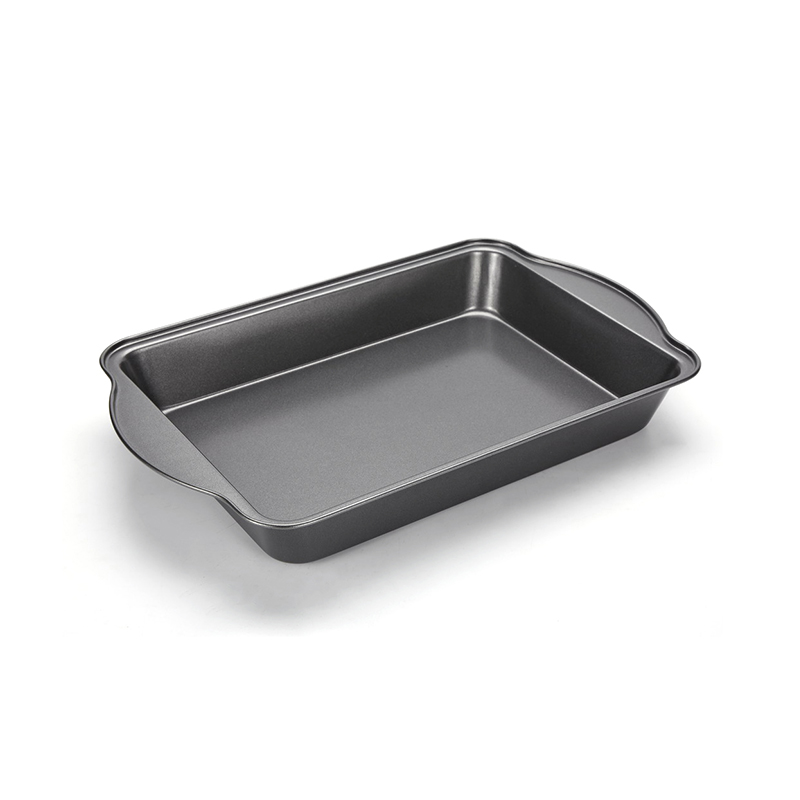
When that happens, many bakers begin comparing the sheet cake pan rather than the recipe itself.
The difference is often easier to see after slicing than before baking.
Heat Does Not Always Travel The Same Way
Inside an oven, heat is constantly moving.
It rises, reflects from the walls, and passes into the baking pan before reaching the batter.
Because of that, the sheet cake pan becomes part of the baking process instead of simply holding the mixture.
A heavier pan usually reacts differently from a thinner one.
A lighter-colored surface may bake differently from a darker finish.
Small differences become more noticeable when the cake covers a large area.
Size Changes More Than Portion Numbers
People often choose a larger pan because they need more servings.
What they sometimes overlook is that changing pan size also changes cake depth.
A thinner layer loses moisture differently from a deeper one.
This is one reason why recipes written for round cakes do not always produce the same texture in a sheet cake pan.
The batter has not changed.
The baking environment has.
Cooling Is Part Of The Result
Experienced bakers often say the cake is not finished when it leaves the oven.
Large cakes continue releasing heat for quite some time.
If a sheet cake pan holds heat longer, the cake may continue cooking gently after baking has officially ended.
That is why some professionals remove the cake from the pan earlier, while others allow it to cool inside, depending on the recipe and the desired texture.
The decision is usually based on experience rather than strict timing.
Commercial Kitchens Notice Small Differences Faster
In bakeries, one recipe may be prepared several times a week.
Because every batch is compared with the previous one, even small changes become obvious.
A cake that browns slightly faster than usual immediately attracts attention.
Instead of rewriting the recipe, bakers often check whether a different sheet cake pan was used during production.
The pan becomes part of quality control rather than simply a baking tool.
Consistency Matters More Than Perfection
Professional baking rarely aims for a single "perfect" result.
The goal is consistency.
Customers expect today's cake to look like last week's cake.
For that reason, many commercial kitchens continue using the same sheet cake pan model for years, even after newer options become available.
Keeping equipment consistent often makes production more predictable than changing recipes every time a small difference appears.
For many bakers, success begins long before the batter reaches the oven. Sometimes, the quietest influence on the final cake is the pan that receives the least attention.