


 English
  Deutsch
  Español
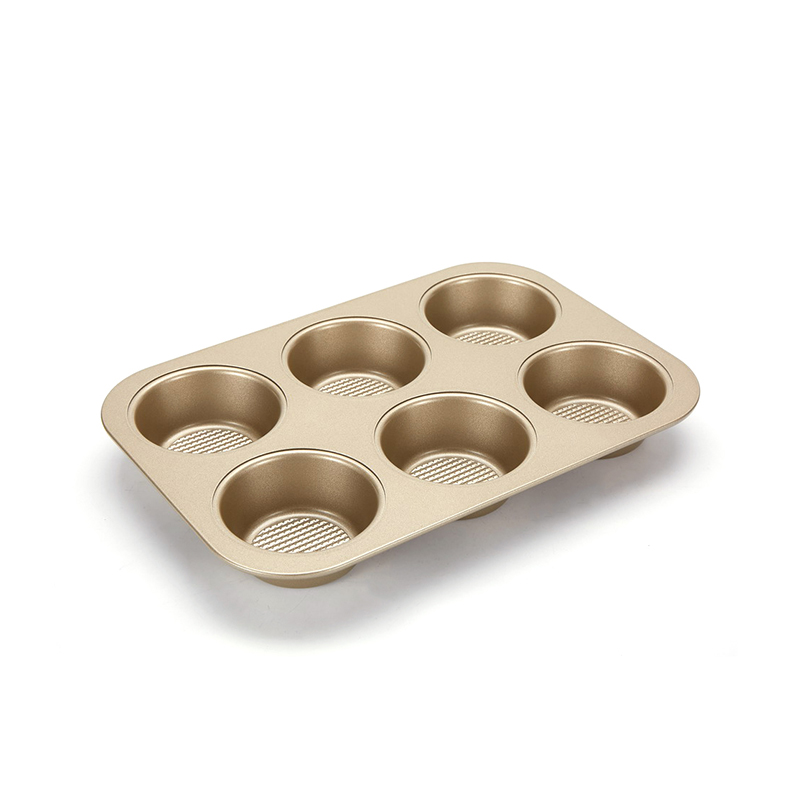
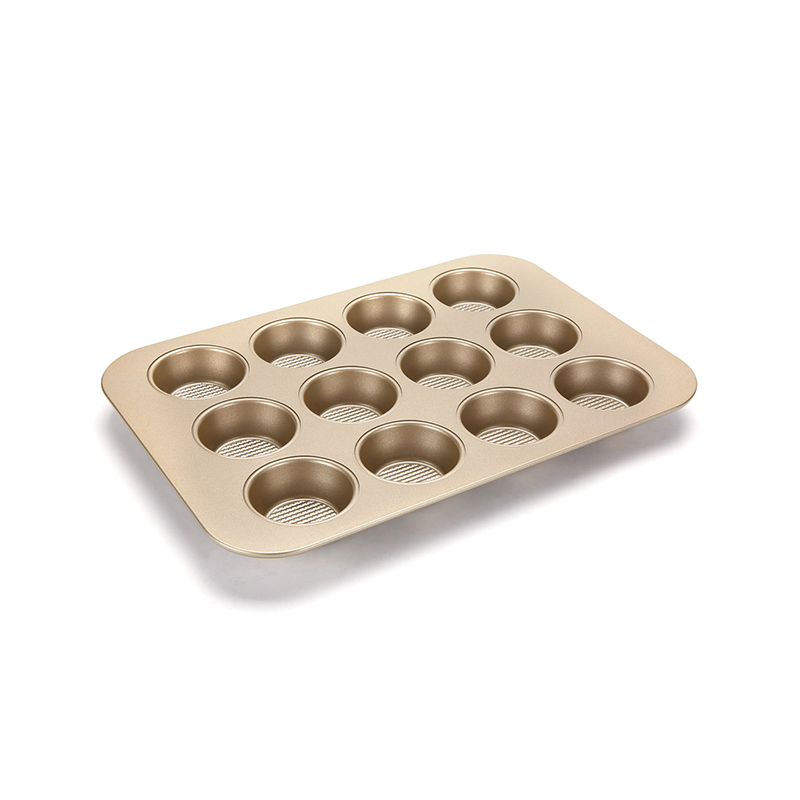
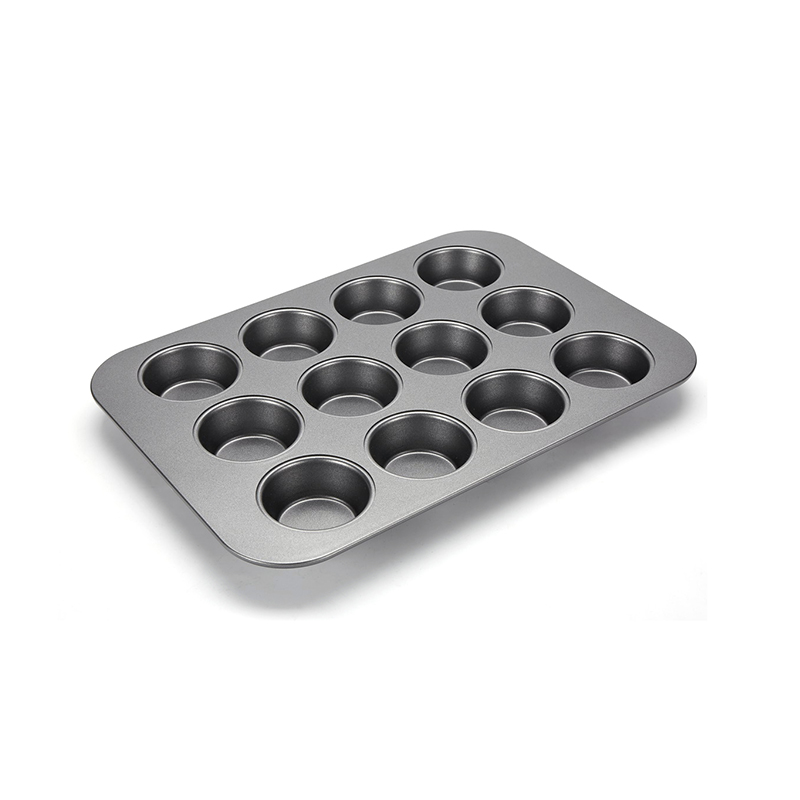
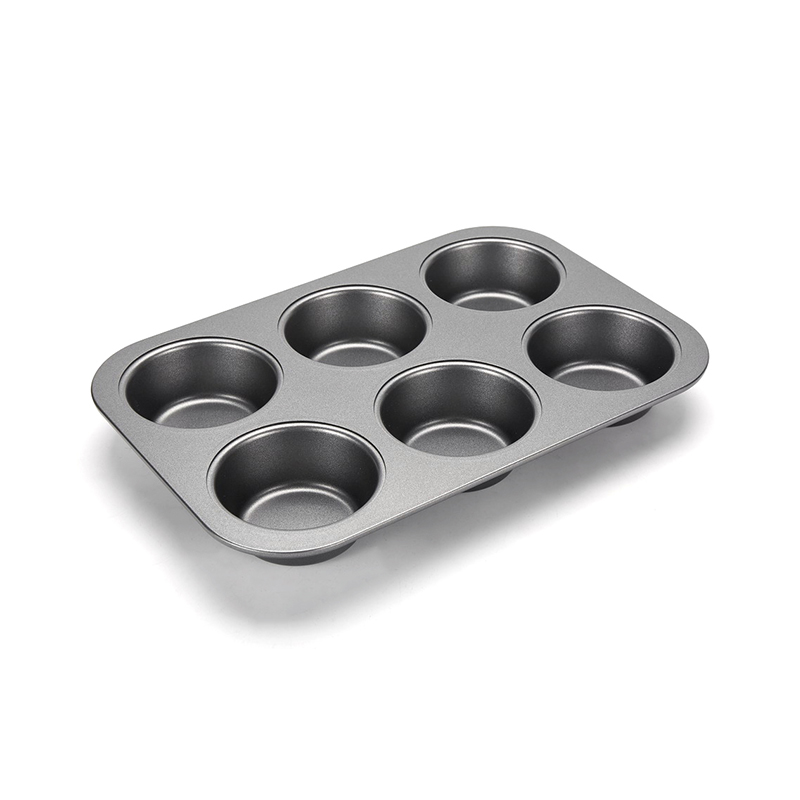
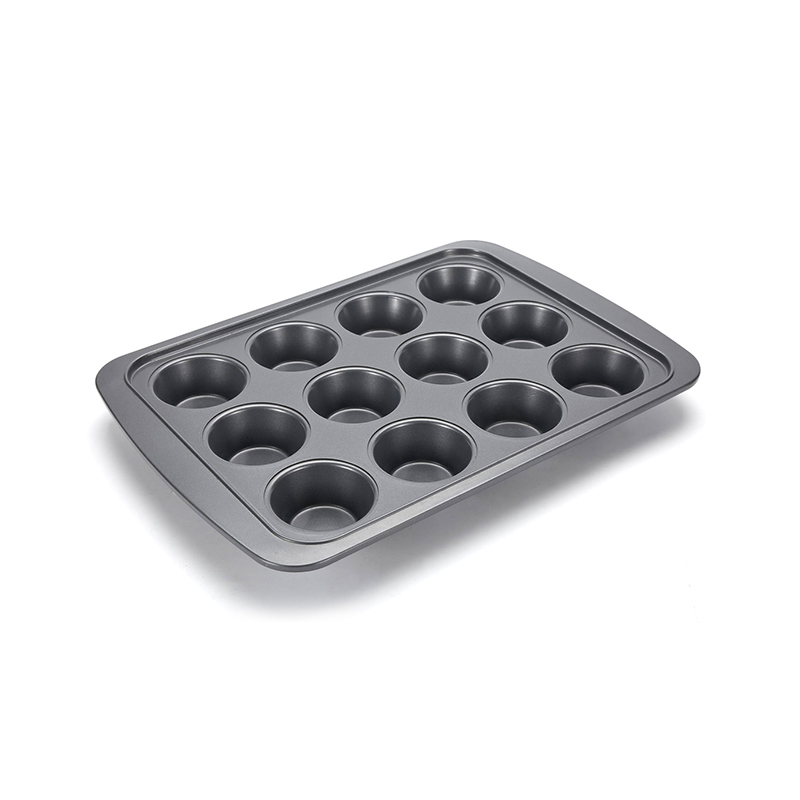
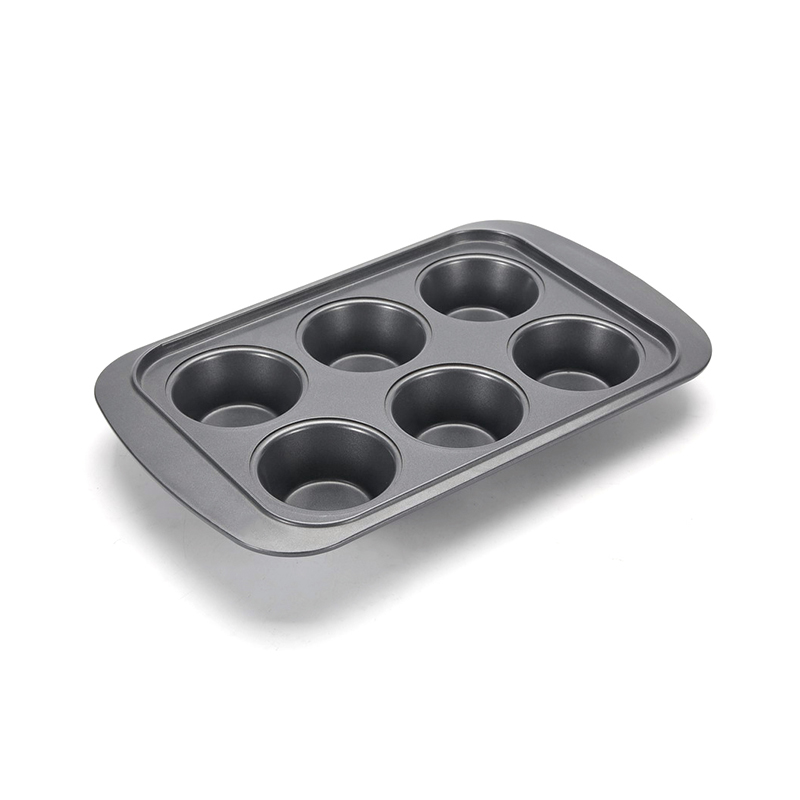
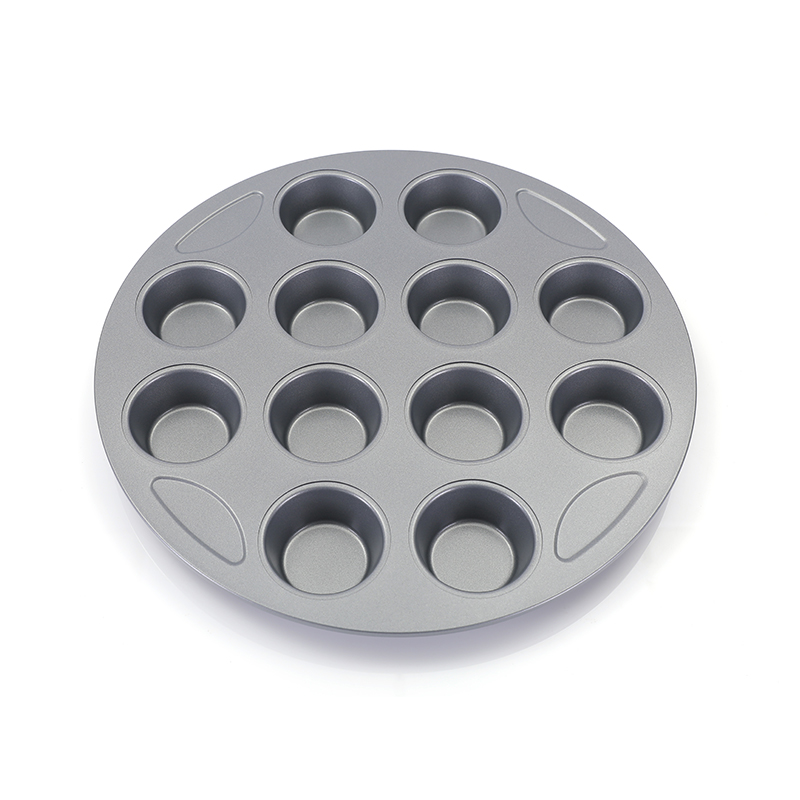
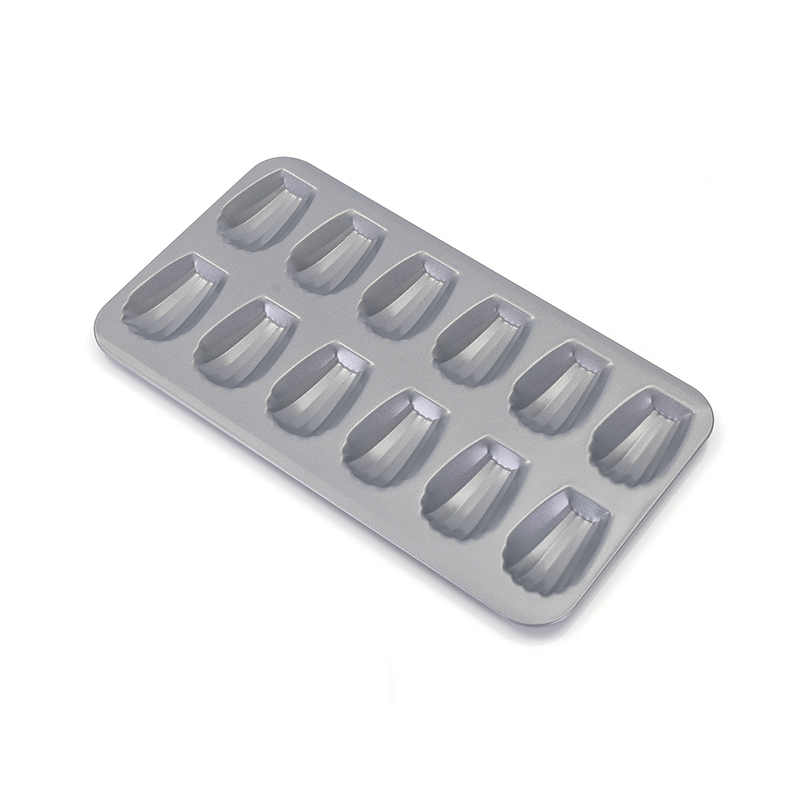
 The Baking Pan is a fundamental piece of equipment in both home kitchens and commercial baking operations. Its versatility allows it to handle a broad range of tasks, including baking bread, cakes, muffins, roasting vegetables, and preparing sheet pan meals. Pans are available in various shapes—rectangular, square, round, and specialty designs—and depths to accommodate different recipes. Choosing the right pan size and shape can influence cooking time, evenness of heat distribution, and the final texture of baked goods.
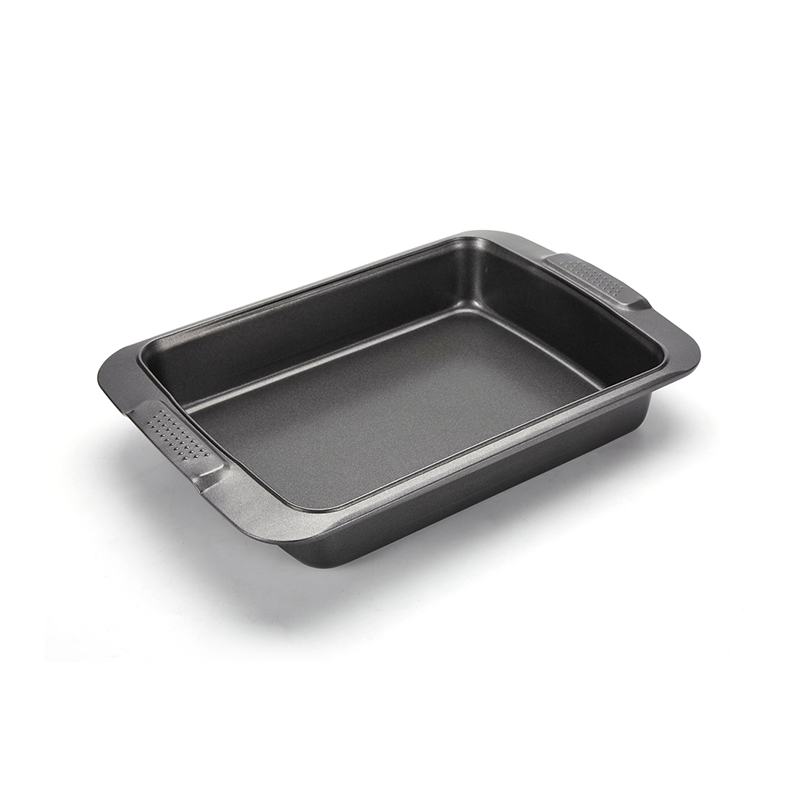
Material selection is a major consideration. Carbon steel and heavy-gauge aluminum pans are valued for their even heat conduction, which minimizes hot spots that could lead to uneven browning. Aluminum pans are lightweight and heat up quickly, while carbon steel pans provide durability and structural integrity, particularly important in professional kitchens that operate multiple ovens at once. Some baking pans feature non-stick coatings to simplify release and cleaning, though care is needed to avoid scratching these surfaces. Research shows that pans with even heat distribution can improve baking consistency by up to 20% compared to thinner or unevenly conductive alternatives.
Baking pans are used in a variety of cooking contexts. In commercial bakeries, they enable efficient batch production, allowing multiple items to bake simultaneously without compromising quality. Lining pans with parchment paper or greasing with butter or oil are common practices to prevent sticking and improve release, especially when working with high-sugar or delicate batters. Rotating pans mid-bake can further ensure uniform heat exposure and reduce the likelihood of over-browned edges.
The versatility of baking pans extends beyond traditional baked goods. They are commonly used for roasting vegetables, cooking sheet pan meals, and even preparing layered desserts. The depth and dimensions of each pan help control portion size, providing consistent results whether baking for personal use or mass production. Stackable pans are particularly useful in professional kitchens, as they save oven space and allow for organized preparation of multiple batches.
Maintenance and care are also critical for long-term performance. Non-stick pans should be cleaned carefully with soft utensils and cloths to preserve the coating, while uncoated steel pans benefit from periodic seasoning to maintain a smooth, protective surface. Warping can occur if pans are exposed to sudden temperature changes, so gradual preheating is recommended. Professional kitchens often maintain a variety of pan sizes and materials to match different recipe requirements and oven capacities.
The Baking Pan is more than just a tool; it is central to achieving consistent results across a wide range of culinary applications. Its material, size, shape, and maintenance routines all influence the quality of the final product. For both home cooks and professional chefs, a well-selected baking pan ensures reliable performance, even heat distribution, and versatility in the kitchen, making it an indispensable tool for modern culinary practices.
Frequently Asked Questions
Q: What types of foods can a baking pan handle?
A: Bread, cakes, cookies, roasted vegetables, and sheet pan meals.
Q: How does the pan material affect results?
A: Materials like carbon steel or aluminum provide even heat distribution for consistent baking.
Q: Should I use parchment or grease?
A: Yes, lining or greasing helps prevent sticking and ensures easy release.
Q: Can baking pans be used for roasting?
A: Yes, their versatility allows both baking and roasting applications.
Q: How should pans be maintained?
A: Clean gently to preserve coatings, and season uncoated pans periodically.
Q: Do pan sizes affect baking?
A: Yes, size and depth influence cooking time, heat distribution, and portion control.