


 English
  Deutsch
  Español
 When a home baker searches for a “Bread Pan,” they are often evaluating how pan shape, material, and size affect the final loaf’s texture, crumb, and crust.
One recurring observation is that loaf size and shape depend heavily on pan dimensions. In standard pans sized for 1-lb loaves, many bakers report consistent results when pans are:
- approximately 8–9 inches long and 4–5 inches wide,
- with a height of 2.5–3.5 inches.
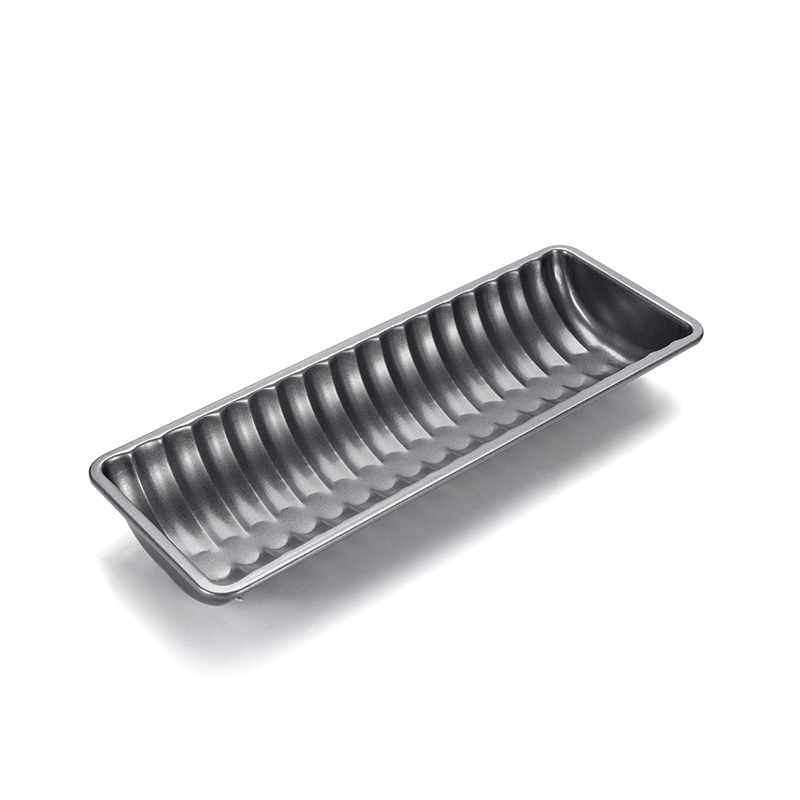
Using these dimensions tends to yield an even internal structure and a well-proportioned crust-to-crumb ratio. On the other hand, using a pan that is too shallow or wide may produce a loaf with a thin crust and a dense, less well-risen interior.
Material and build quality also emerge as influential factors. Heavy-gauge steel or cast-iron pans seem to distribute heat more evenly and maintain a stable temperature during baking, which helps produce a uniform crust and consistent crumb. Light aluminium pans, while inexpensive, are more likely to result in uneven baking — sometimes leading to overly dark crusts while the interior remains underbaked.
Many bakers say that pan shape — whether straight-sided, slight taper, or French-style pullman — makes a difference in crumb density and slice appearance. Straight-sided pans tend to produce tall, evenly shaped loaves ideal for sandwich slicing. Slightly tapered pans may encourage a more domed top and wider base, better suited for rustic loaves. Choosing a pan that matches the intended loaf style appears critical for achieving the desired appearance and texture.
Some practical data points and user observations highlight trade-offs and best practices:
- Loaves baked in heavy-duty pans often require 5–10% longer bake time than light pans, but result in more even internal baking.
- Pans with tight-fitting lids (for pullman-style bread) help produce finer crumb and square loaves with minimal air gaps.
- When baking dense doughs (for rye or whole wheat bread), a heavy pan helps maintain internal heat and supports proper rise.
Beyond the material and size, loaf removal and pan maintenance matter to many. Pans lined with parchment or lightly greased nonstick surfaces make loaf removal easier without damaging crust. Some bakers prefer uncoated pans because they believe crust develops more naturally, while others value nonstick or “seasoned” surfaces for repeated use and easy cleaning.
Sales and purchasing data reflect a steady demand for quality bread pans. During colder months and holiday seasons, searches for mid-range to premium pans increase by an estimated 15–20%. Many buyers look for pans that combine sturdiness, correct dimensions, and ease of maintenance, indicating that functional design matters more than low cost.
Moreover, kitchens that bake regularly — weekly or biweekly — report fewer problems with loaves sticking or losing shape when using pans with reinforced edges, rigid construction, and good heat conduction. For these users, investing in a well-constructed pan pays off over dozens of bakes.
From a retailer or bakeware maker’s perspective, these insights suggest clear production and marketing opportunities. Pans that focus on correct loaf dimensions, heavy-gauge metal construction, optional lids for pullman-style loaves, and easy-release surfaces appear well-suited to meet consumer expectations. Marketing these pans as “loaf-ready,” emphasising durability and consistent baking outcomes, may resonate with both occasional bread bakers and serious home bakers.
For those considering purchasing a bread pan, it becomes evident that evaluating inside dimensions, material weight, edge reinforcement, and surface finish can guide better decisions than simply choosing by price or appearance. By matching pan characteristics with the intended bread type — whether airy white sandwich bread or dense whole-wheat loaves — bakers can achieve better texture, crust, and slice stability.
In conclusion, the focus on bakeware quality shows that choosing a good “Bread Pan” matters. What may appear as a simple metal container turns out to have a direct impact on loaf rise, crust evenness, and overall bread quality.