


 English
  Deutsch
  Español
 In home kitchens and commercial spaces, the Loaf Pan has become a key baking container recognized for its balanced form and reliable handling properties. It is commonly applied to bread recipes, meal preparation, layered desserts, and freezing methods. Interest continues to grow for pans that offer ease of cleaning, durable surfaces, and consistent shaping without distortion. Users who emphasize long-term kitchen investment often evaluate materials, heat conduction, and food release capabilities when selecting this item.
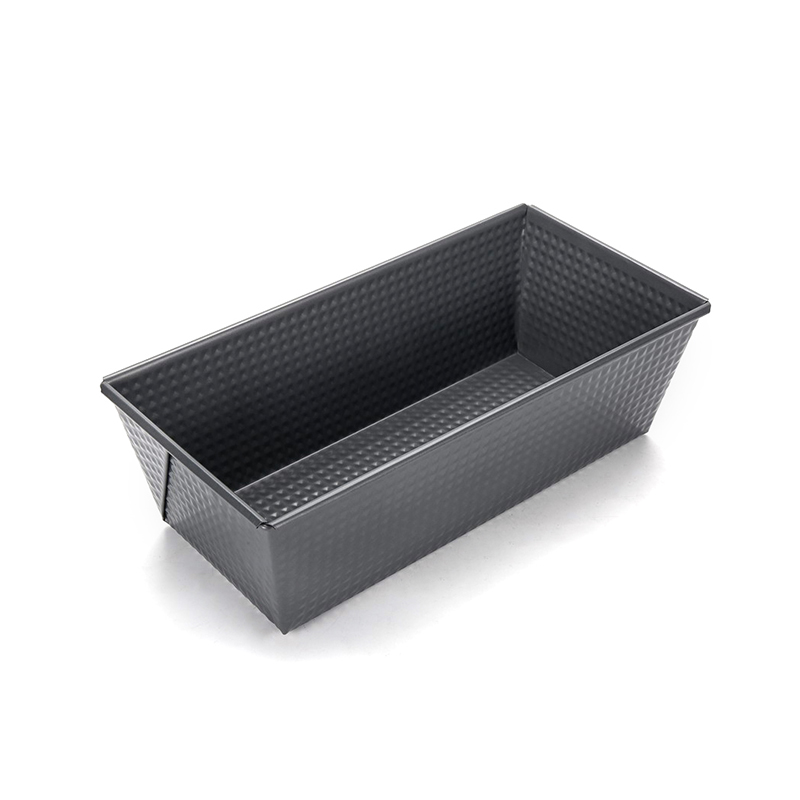
Recent product evaluations show that many buyers prioritize pans with a reinforced rim to avoid bending during daily use. Stainless steel and carbon steel versions attract attention when long life and uniform heating are desired. Aluminum variants are considered convenient when weight reduction is a requirement. Sizes vary, but the most searched dimensions appear between 8 to 9 inches in length. Specialty forms such as mini loaf pans are commonly purchased for individual or sampling portions.
Material Considerations Seen in Searches
- Carbon Steel: selected for consistent heating and shaping stability.
- Stainless Steel: sought for resistance to surface oxidation.
- Aluminum Alloy: valued for lighter handling and quick heat transfer.
- Ceramic-Coated: chosen when decorative presentation is part of the cooking process.
Observed Application Categories
Loaf pans are being used in a broader range of culinary ideas beyond standard bread production:
- Bakery Production: shaping sandwich loaves and whole wheat options.
- Meal Preparation: forming meatloaf and meal-sized portions.
- Sweet Products: holding batter for pound cakes and banana bread.
- Cold Storage: molding layered frozen desserts.
- Portion Control: using mini loaf pans for batch-size servings.
Surface Style and Functionality
Many buyers express interest in pans that reduce sticking without requiring high-fat coatings. Smooth interior surfaces, embossed textures, and removable liners are found useful in maintaining product shape. The popularity of pans with rolled edges comes from the added grip and handling comfort, particularly when contents are dense.
Manufacturing Observations
Manufacturers emphasize factors such as:
- Precise internal corners to yield sharp loaf edges.
- Thickness consistency to maintain appearance after repeated heating.
- Matte or brushed finishes that resist visible marks.
- Handles designed for secure movement even with gloves.
Numerical Observations and Data Points
A broad set of market data shows the following tendencies regarding choosing and using loaf pans:
- Around 70% of kitchen users prefer pans sized for standard home ovens.
- Approximately 55% express preference for surfaces that do not require intensive scrubbing.
- Nearly 40% report purchasing more than one pan to support batch baking.
- Mini loaf versions account for around 25% of unit purchases within this category.
Packaging and Commercial Interest
Businesses engaged in retail distribution position loaf pans as dependable items that suit everyday kitchen activities. Packaging methods that shield edges and interior surfaces are a frequent topic of attention. Bulk buyers, such as bakeries and cafes, often request cartons sized for inventory convenience. Customized branding on packaging and optional barcoding are commonly requested features.
End-User Considerations
Users often aim for:
- Consistent heating performance.
- Easy storage in limited kitchen space.
- Suitability for both dough-based and batter-based products.
- Compatibility with parchment or simple release liners.
In conclusion, the discussion around loaf pans reflects a clear focus on practical use and cooking convenience. Designs that support steady heating, simple cleaning, and adaptable food preparation align with the expectations of both home kitchens and commercial baking operations. Clear information regarding materials, dimensions, and handling features can assist buyers when comparing options.