


 English
  Deutsch
  Español
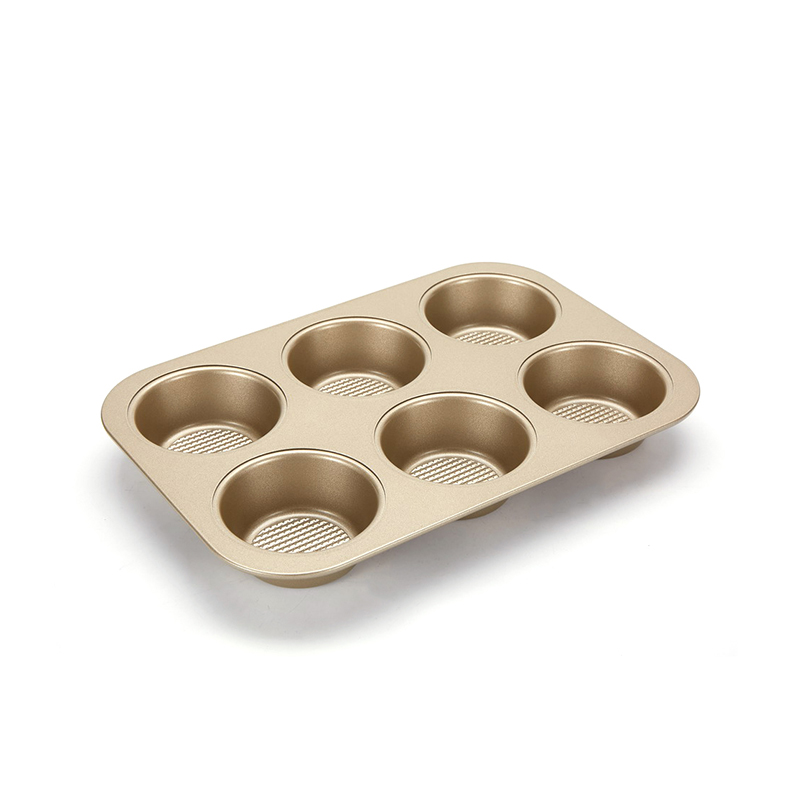
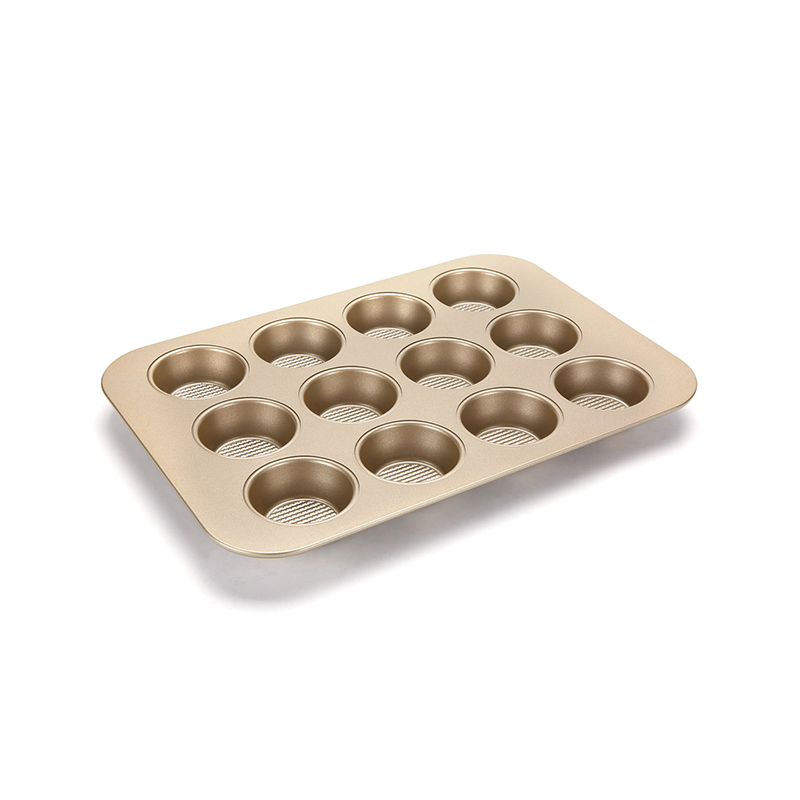
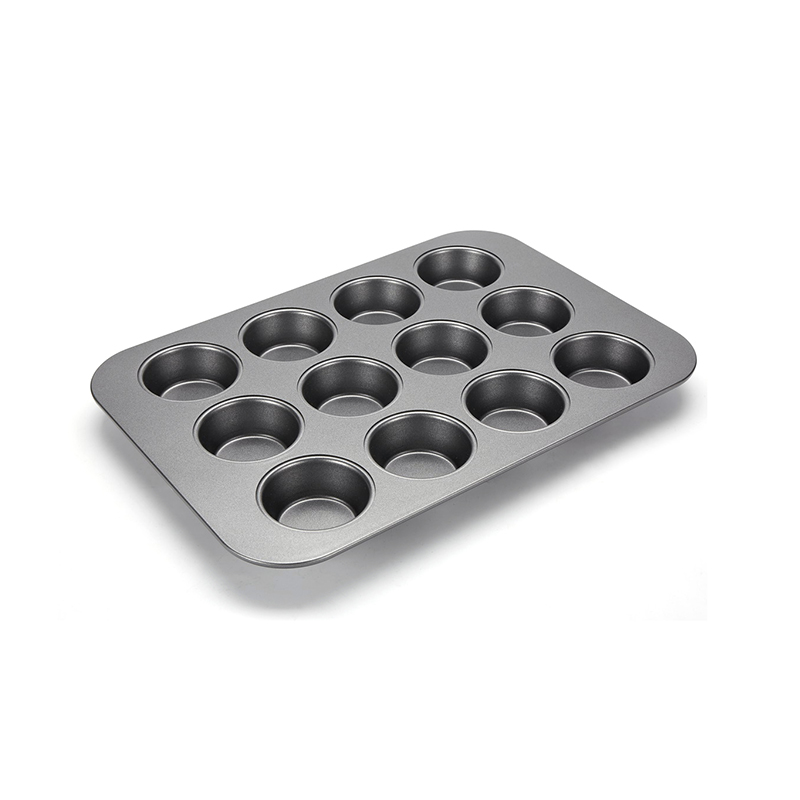
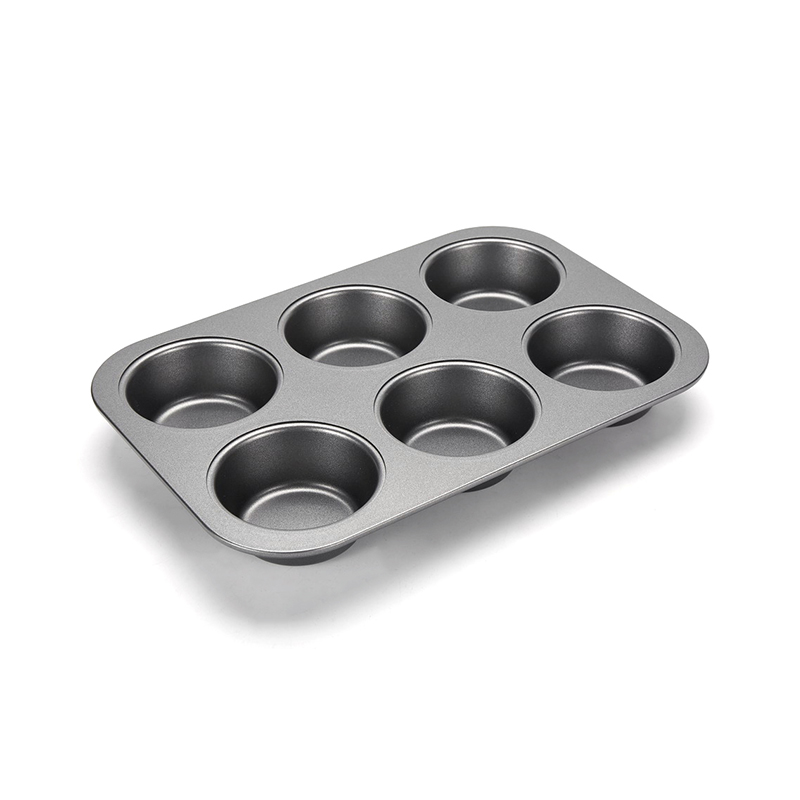
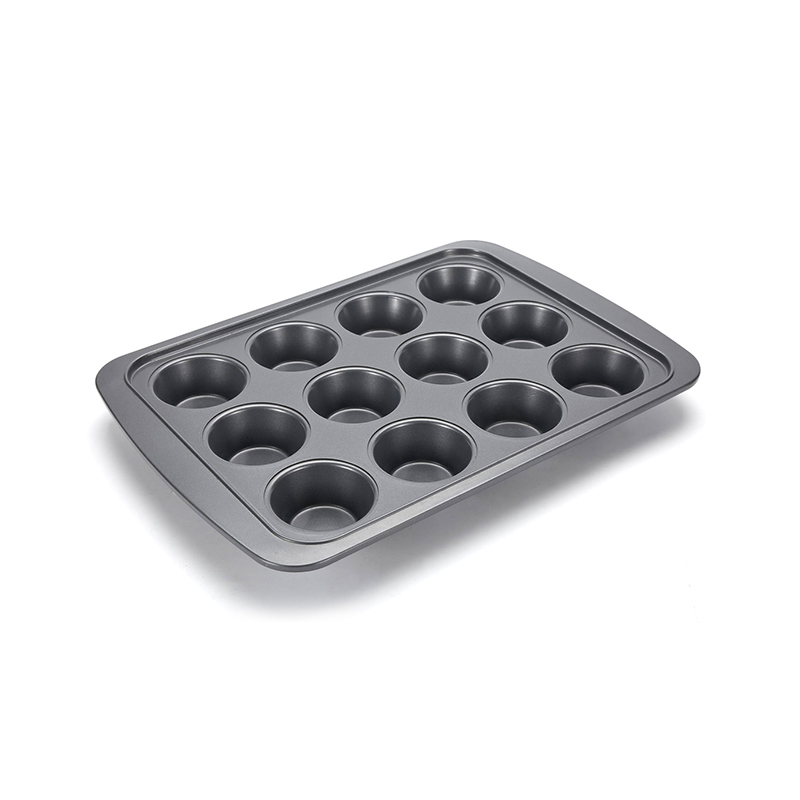
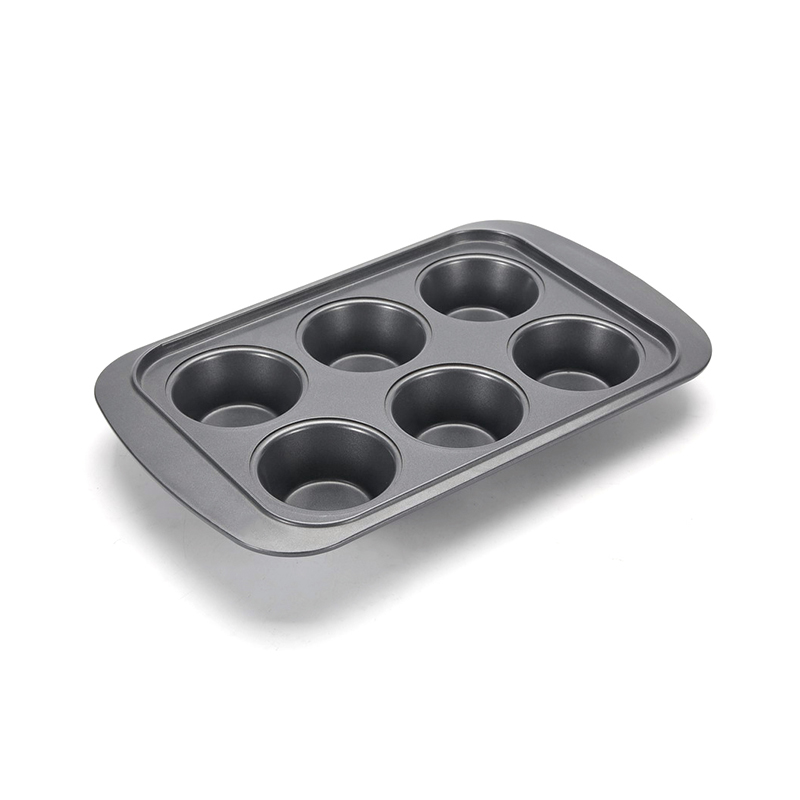
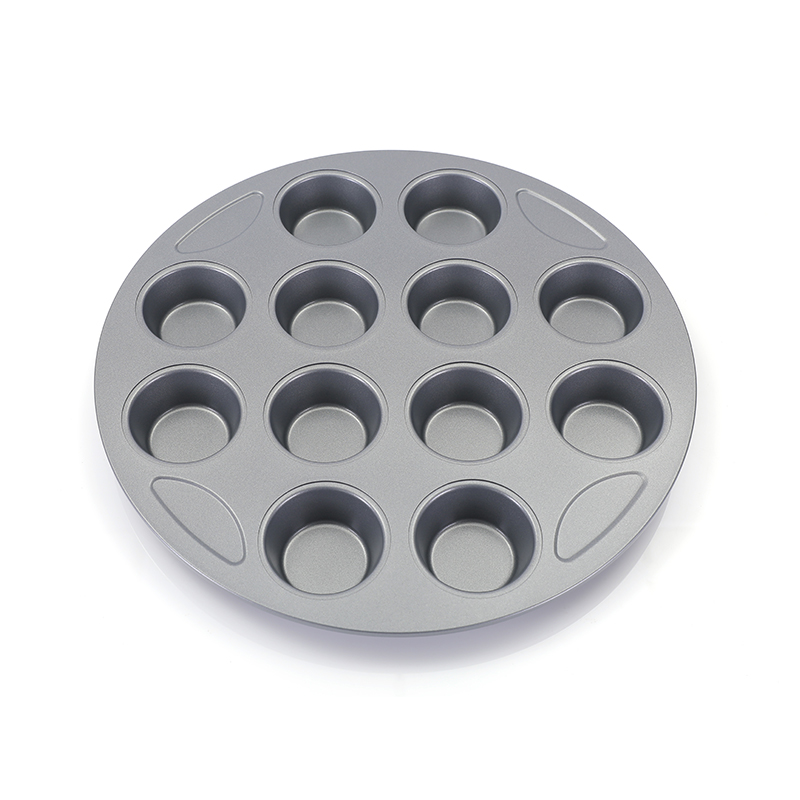
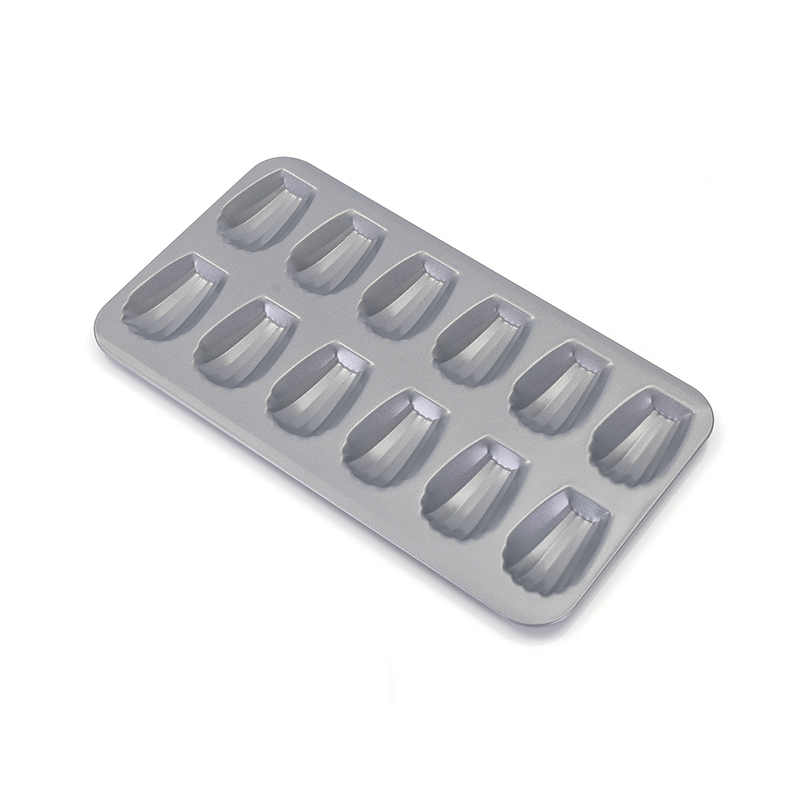
 The Brownie Tin is designed to provide uniform, consistent baked portions, making it a staple in both domestic kitchens and commercial bakeries. Unlike standard baking trays, many brownie tins feature built-in dividers, which create equal portions during baking. This eliminates the need for slicing dense batters post-bake and ensures even texture across all pieces. Controlled kitchen tests show that divided brownie tins achieve consistent edge-to-center baking within 30–35 minutes at 175–180°C, with minimal variation in moisture or density.
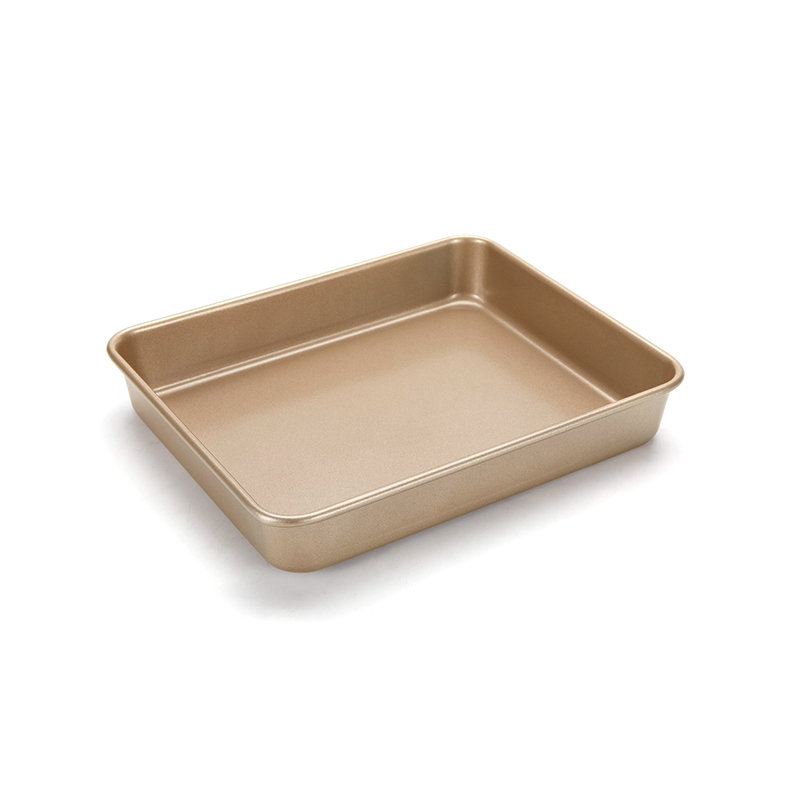
Material selection is critical for achieving consistent baking results. High-carbon steel is widely used because it offers excellent heat conduction, distributing warmth evenly across the surface of the tin. This ensures that brownies and other dense desserts bake uniformly, reducing the risk of undercooked centers or overbaked edges. Carbon steel also provides structural integrity, which helps the tin maintain its shape even under repeated high-temperature use, a feature particularly important in commercial kitchens or when preparing multiple batches.
Aluminum versions of brownie tins are valued for their lighter weight and faster preheating, allowing home bakers to handle and position the tins more easily. Non-stick coatings are often applied to both carbon steel and aluminum pans to facilitate smooth food release, but careful handling is essential to avoid scratching or damaging the surface. Some designs also feature reinforced edges to prevent warping and improve long-term durability, ensuring the tin can withstand frequent use without compromising performance.
Brownie tins are highly versatile. Beyond brownies, they can be used for mini cakes, layered desserts, individual cheesecakes, and small savory bakes. Depth and size variations allow bakers to control portion volumes precisely, whether for single servings or catering needs. Stackable designs support efficient batch preparation, particularly in commercial kitchens where oven space is at a premium.
Maintenance and usage are straightforward. Many tins are dishwasher-safe, but hand washing is recommended to preserve coatings. Lining the tin with parchment paper or lightly greasing surfaces can improve release and prevent sticking. Rotating tins mid-bake ensures even browning, particularly for thicker batters or high-density desserts.
Efficiency and uniformity are notable advantages. Divided brownie tins reduce post-baking cutting time, lower the risk of uneven pieces, and enhance presentation. This feature is particularly valuable for cafes, catering businesses, and dessert production facilities. Data from baking trials indicate that using portioned tins improves bake consistency by 10–15% compared to unsegmented trays, making them a preferred choice for precise, repeatable results.
In addition, brownie tins support consistent scheduling and volume management in professional kitchens. Multiple tins can be arranged simultaneously in ovens, allowing coordinated baking for large orders. Their design ensures that each portion receives uniform heat, reducing the risk of overbaked edges or undercooked centers.
Overall, the Brownie Tin combines portion control, thermal efficiency, and versatility. Its thoughtful construction ensures consistent results, whether for home bakers seeking uniform brownies or commercial operations aiming for high-quality, repeatable products. Proper material choice, preheating practices, and maintenance routines further enhance reliability and ease of use, establishing it as a key tool in modern baking.
Frequently Asked Questions
Q: How is a brownie tin different from a standard pan?
A: Built-in dividers allow even portioning during baking.
Q: Can it be used for other desserts?
A: Yes, mini cakes, cheesecakes, and small layered desserts.
Q: What materials are used?
A: High-carbon steel or aluminum with optional non-stick coatings.
Q: How should it be prepared before baking?
A: Lightly grease or line with parchment paper for easy release.
Q: Is it durable for repeated use?
A: Reinforced edges and proper care extend lifespan.
Q: How does it affect baking consistency?
A: Dividers ensure uniform moisture, density, and browning across portions.