


 English
  Deutsch
  Español
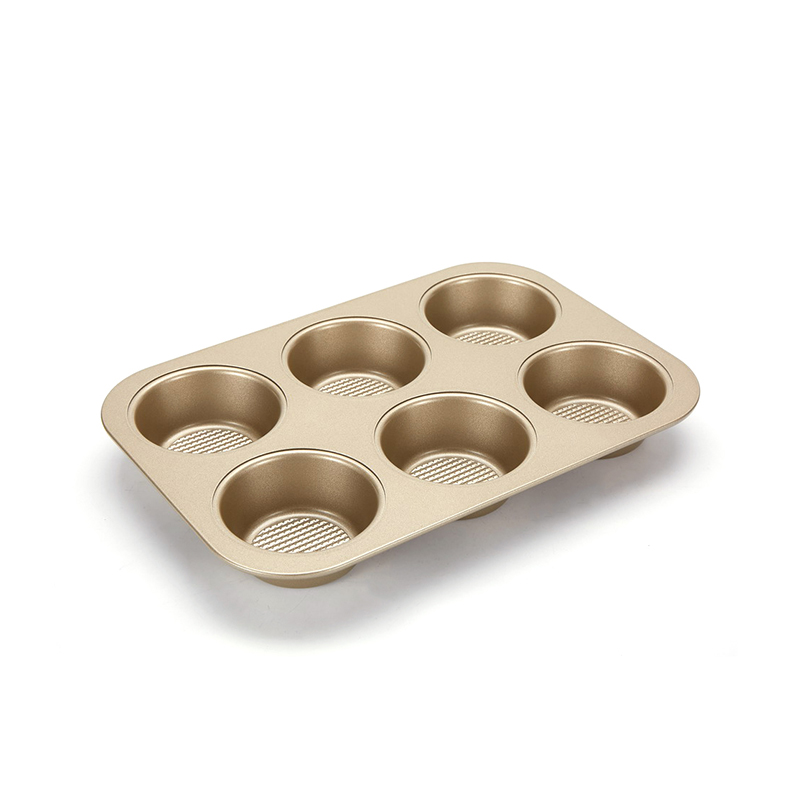
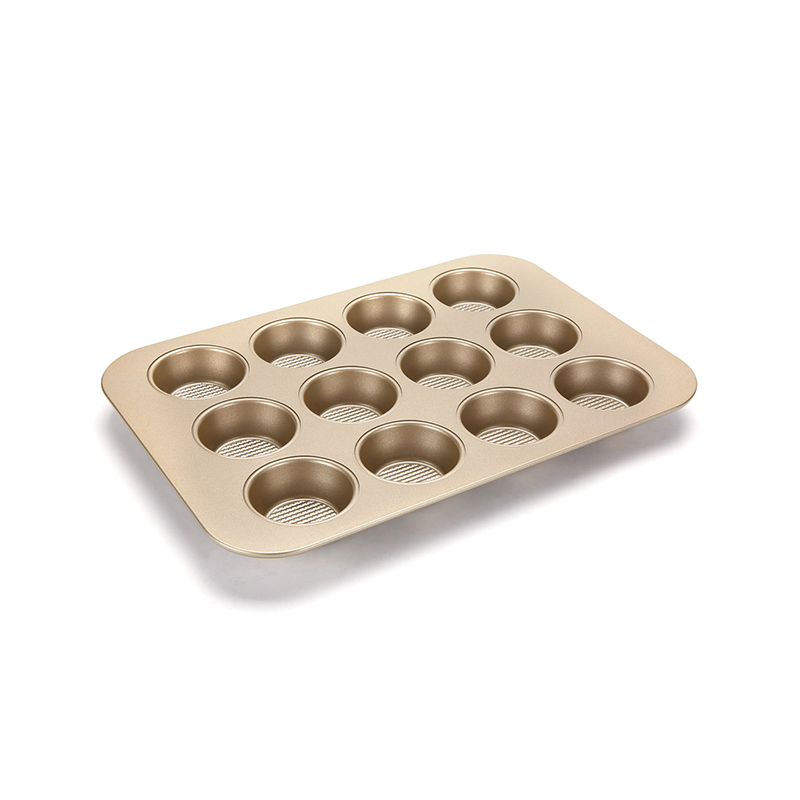
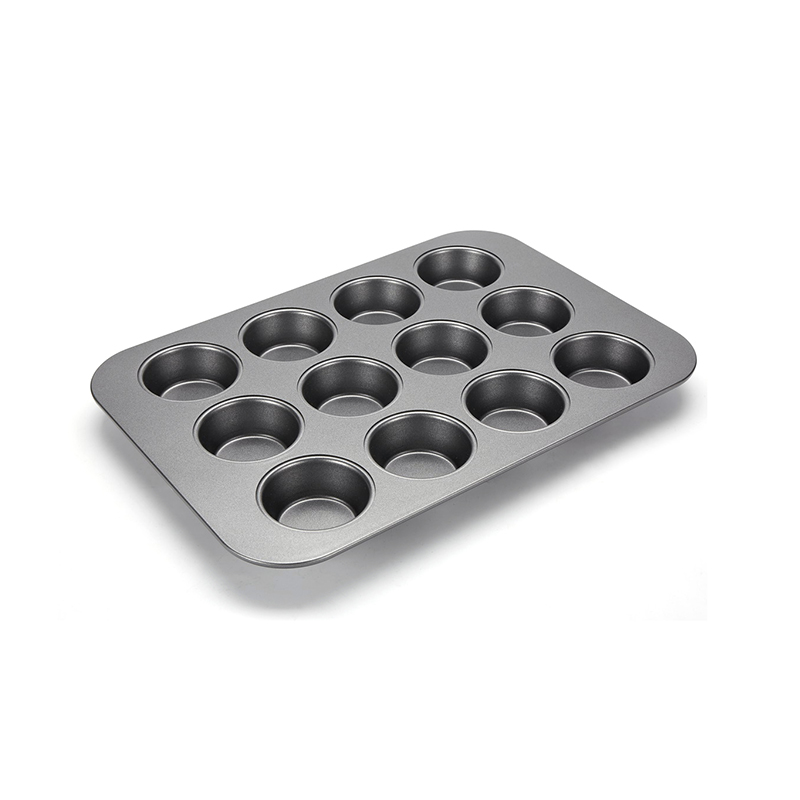
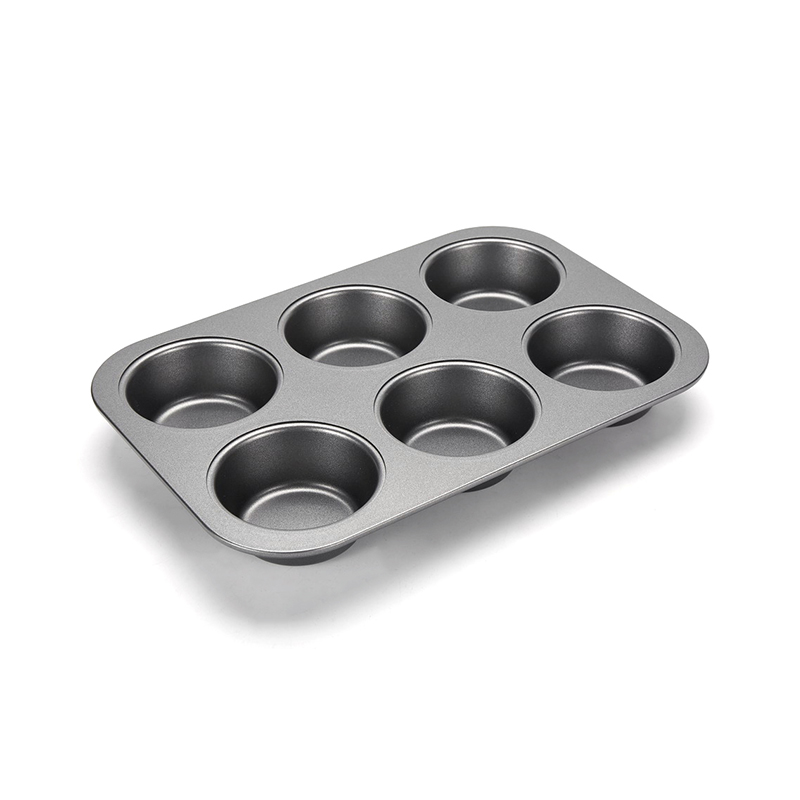
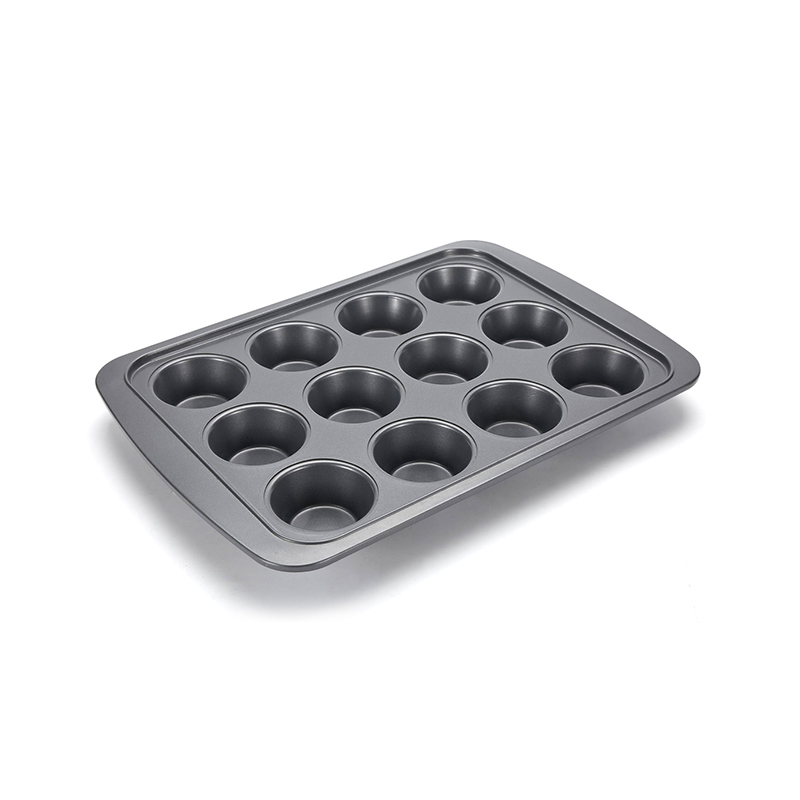
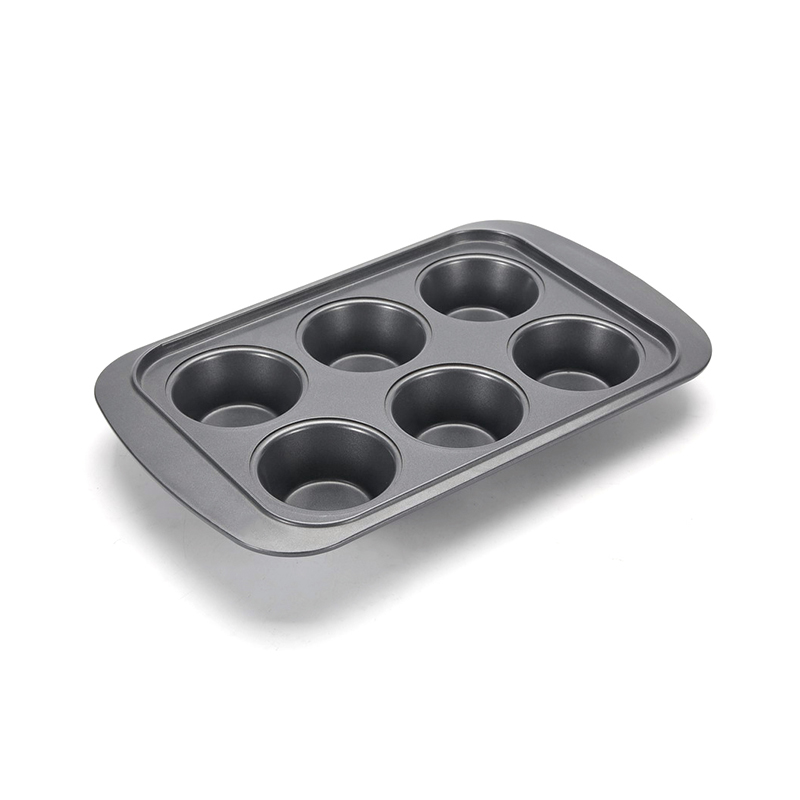
 Baking muffins seems simple until you try to remove them from a cheap pan. Batter sticks to the bottom. Edges burn while centers stay raw. A non stick muffin pan solves all three problems, but only if you pick the right one. This article covers what makes a good non stick muffin pan, how to spot a bad one, and whether you actually need to spend more for quality.
What Makes a Non Stick Muffin Pan Work
The non stick coating is the obvious answer, but not all coatings behave the same way. A good non stick muffin pan uses a multilayer coating, usually two or three layers of PTFE-based material. The best ones add a ceramic or titanium reinforcement layer that resists scratching from metal utensils.
The pan material underneath matters just as much. Carbon steel heats up fast and cools down fast, which creates even browning. Aluminized steel is lighter but can warp under high heat. Heavy-gauge carbon steel, around 0.8 to 1.0 millimeters thick, gives you the best balance. A non stick muffin pan made from thin metal will buckle in a hot oven, creating uneven cups where batter pools on one side.
Another feature separates good from bad: the cup transition. Cheap non stick muffin pan models have sharp 90-degree corners between the cup wall and bottom. That sharp angle traps batter and makes cleaning difficult. Better pans use a gentle radiused curve, which releases baked goods more easily and wipes clean in seconds.
Comparing Different Types
The table below compares common non stick muffin pan options based on real kitchen use.
|
Material |
Non Stick Durability |
Warp Resistance |
Heat Evenness |
Price Range |
|
Carbon steel with PTFE |
Good for 3-5 years |
High (if 0.8mm+ thick) |
Very even |
Medium |
|
Aluminized steel |
Medium for 2-3 years |
Low to medium |
Even but slower |
Low to medium |
|
Silicone |
Low (wears from flexing) |
N/A (flexible) |
Poor (hot spots) |
Low |
|
Cast iron (enameled) |
Very good for 10+ years |
Very high |
Very even but slow |
High |
|
Heavy aluminum with ceramic |
Medium for 2-4 years |
Medium |
Even and fast |
Medium to high |
A carbon steel non stick muffin pan with PTFE coating offers the best value for most home bakers. Silicone pans are easy to store but produce pale, soft-sided muffins. Cast iron lasts forever, but costs more and takes longer to preheat.
What to Look for When Buying
Before you buy a non stick muffin pan, check three things:
Surface smoothness: Run your finger inside a cup. Feel for a smooth, continuous surface without bumps or ridges. Rough spots mean the coating will fail sooner.
Warp resistance: Hold the pan by one edge and twist gently. A quality non stick muffin pan should resist flexing. If it bends easily in your hands, it will warp in the oven. Warped pans create uneven cup depths, which leads to undercooked centers on one side and burnt tops on the other.
Rim design: Look at the rim. Rolled steel rims add rigidity. A rimmed non stick muffin pan stays flatter than a rimless one. Some pans also include a wire reinforcement loop around the perimeter, which is even better.
Common Mistakes That Ruin Non Stick Coating
Many people destroy their non stick muffin pan within a year without realizing it. Three habits cause the most damage:
Using cooking spray. The propellant in aerosol sprays leaves a sticky residue that bakes onto the coating. That residue becomes nearly impossible to remove and builds up over time. Use butter, oil from a pump sprayer, or silicone baking cups instead.
Cutting muffins inside the pan. A knife blade slices right through the non-stick layer. Wait for muffins to cool for five minutes, then run a silicone spatula around each cup edge before lifting them out.
Stacking pans directly on top of each other. The bottom of one pan scratches the coating of the pan below. Store each non stick muffin pan with a paper towel or pan protector between them.
Even with perfect care, a non stick muffin pan wears out. Plan to replace it every three to five years with regular use. That is normal, not a sign of poor quality.
When to Spend More on a Premium Pan
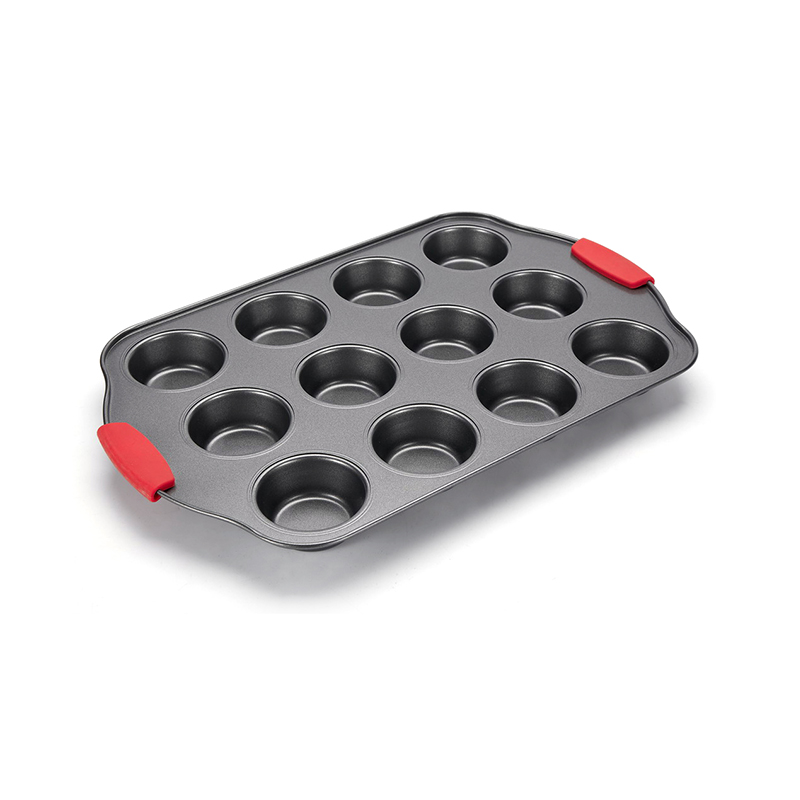
A basic non stick muffin pan works fine for occasional baking. But if you bake muffins weekly or run a small home bakery, a premium pan makes sense. Premium non stick muffin pan models use thicker steel, better coatings, and often include silicone grips on the rims for safer handling.
The real difference shows up after two years. A budget non stick muffin pan will start sticking in random spots. A premium pan will still release muffins cleanly. Over five years, the premium pan costs less per use than replacing cheap pans twice.
A non stick muffin pan is worth buying, but not all of them deliver on the promise. Look for carbon steel construction, multilayer PTFE coating, rolled rims, and gently curved cup corners. Avoid silicone, thin aluminum, and pans that flex when twisted.
Take care of your non stick muffin pan by skipping aerosol sprays and storing it properly. Do those things, and your muffins will release cleanly for years.