


 English
  Deutsch
  Español
 Roasting pans have long been a staple in kitchens, valued for their versatility and practicality. Designed to hold meats, poultry, or vegetables, these pans allow heat to circulate evenly while capturing juices that can be used for sauces or gravies. Most roasting pans feature a wide, shallow base, often accompanied by a rack to elevate food, ensuring consistent browning and air circulation.
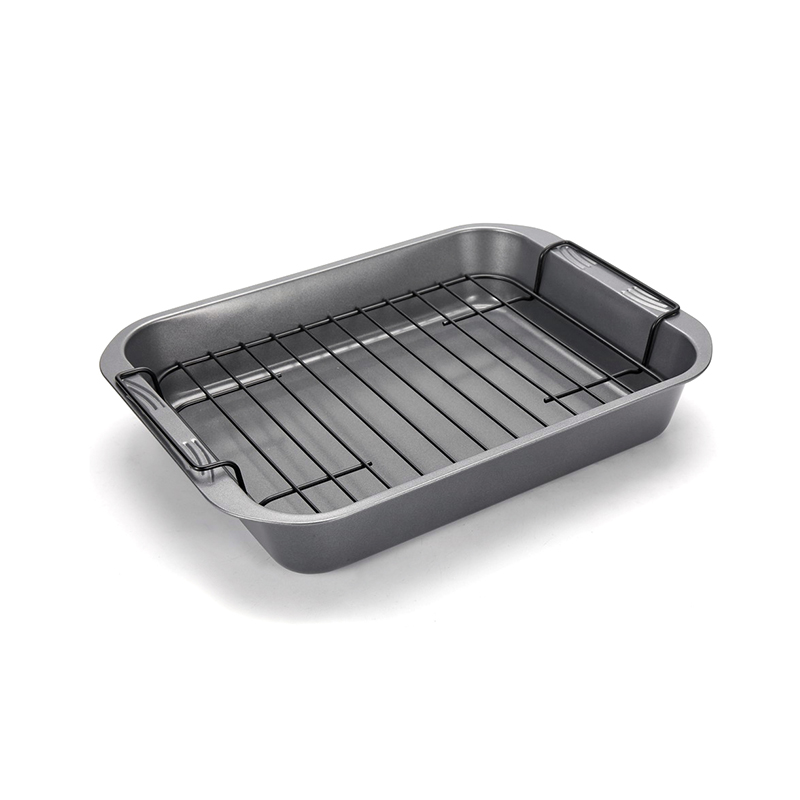
Beyond holiday roasts, roasting pans are increasingly part of everyday cooking routines. Many households use them several times a week, whether for a simple family dinner or for preparing meals ahead of time. On a typical weeknight, a roasting pan can hold a combination of chicken, potatoes, and seasonal vegetables, creating a one-pan meal that is both convenient and flavorful. For weekend gatherings, it can accommodate larger cuts of meat alongside multiple side dishes, making meal preparation more efficient and allowing cooks to focus on presentation and timing. Some families even use the pan for baked pasta dishes or layered casseroles, turning it into a multi-purpose tool in the kitchen.
Material choice influences both performance and convenience. Stainless steel pans offer durability and even heat distribution, while nonstick surfaces simplify cleanup. Enameled pans retain heat well and are suitable for recipes that start on the stovetop and finish in the oven. Experienced cooks appreciate pans that can withstand frequent use, noting that a high-quality roasting pan can handle dozens of meals each month without warping or losing performance. The right material can also affect browning and moisture retention, helping achieve a balance between crisp surfaces and tender interiors.
Size is another key consideration. A pan should comfortably hold the ingredients with enough space for air to circulate. Overcrowding may prevent food from cooking evenly, while a pan that is too large can cause juices to spread thinly, reducing moisture. For a family of four to six, a medium-sized pan is typically sufficient, while larger households or gatherings may require deeper pans to accommodate multiple pieces of meat or extra vegetables. Careful selection ensures both efficiency and consistent results.
Roasting pans are not limited to meat. Their wide surface and depth make them ideal for roasting vegetables, baking layered dishes, or slow-cooking meals that benefit from even heat. Using a rack elevates food, allowing heat to circulate and juices to collect underneath, which can then be used to enhance sauces or gravies. Even simple dishes can be elevated by placing vegetables around a roast or layering ingredients for one-pan meals, making the pan a versatile tool for both novice and experienced cooks.
Maintenance is straightforward. Washing with warm, soapy water and avoiding abrasive tools preserves nonstick or enameled surfaces. A well-maintained roasting pan can last for years, providing consistent results for everyday meals and special occasions alike.
FAQ
Q: How often can a roasting pan be used?
A: Roasting pans are durable enough for frequent use, whether daily or several times a week.
Q: Can roasting pans cook vegetables evenly?
A: Yes. The wide surface area ensures even heat distribution, allowing vegetables to brown and caramelize naturally.
Q: Is a rack necessary?
A: A rack promotes airflow and browning, but food can also be placed directly in the pan for smaller items or vegetables.
Q: How should I maintain my roasting pan?
A: Clean with warm, soapy water, avoid abrasive tools, and dry thoroughly. Nonstick or enameled pans require gentle handling.
In short, roasting pans combine durability, versatility, and convenience. They allow home cooks to prepare large meals efficiently, retain flavors, and simplify cleanup, making them a reliable kitchen tool for everyday cooking and special meals alike.