


 English
  Deutsch
  Español
 A mini springform non stick cake pan is often chosen for recipes that are prepared in limited quantities rather than large commercial batches. While standard cake pans usually remain on high-volume production lines, smaller springform pans appear in recipe testing rooms, boutique bakeries, seasonal product development, and sample kitchens where every bake may be slightly different from the previous one.
Another phrase frequently mentioned during equipment selection is non stick cake pan, especially when bakeries compare different mold sizes before launching a new dessert.
Small Batches Usually Mean More Adjustments
Large production runs follow established routines.
Small batches rarely do.
Recipe ratios change.
Decoration changes.
Baking time may change.
Even ingredient temperature sometimes varies from one test to another.
Because of this, a mini springform non stick cake pan is often moved between preparation tables and ovens more frequently than larger baking molds. Instead of producing hundreds of identical cakes, it may be used to evaluate several recipe variations within the same morning.
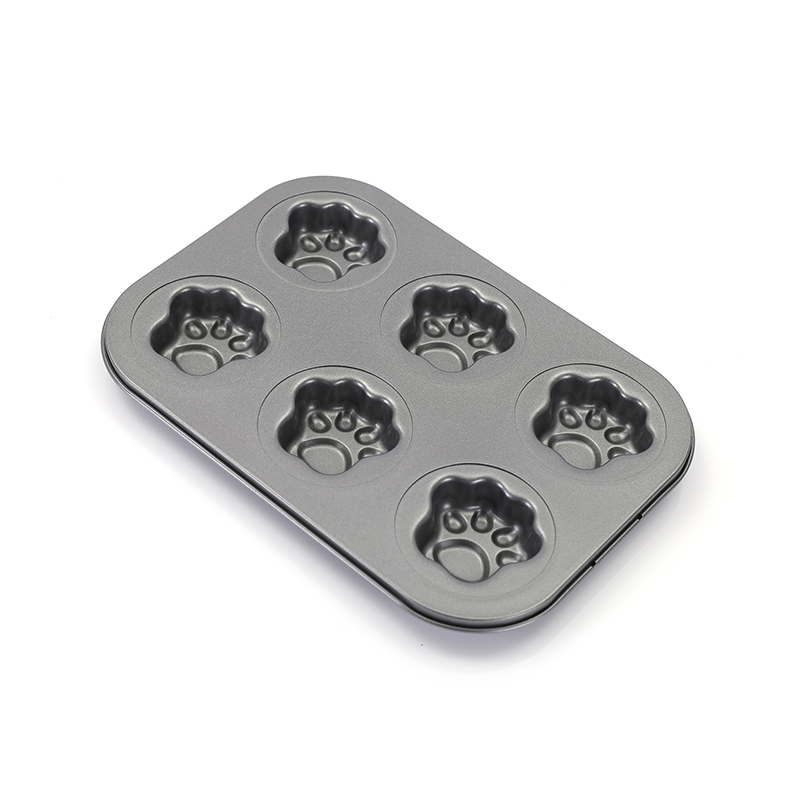
Developers often record visual results after each bake rather than waiting until the entire testing session finishes.
Portion Size Influences More Than Appearance
Smaller cakes are not simply reduced versions of larger ones.
Mix distribution changes.
Batter depth changes.
Cooling speed changes.
Decoration space changes.
These differences become noticeable when the same recipe is prepared using different mold sizes.
During recipe trials, the non stick cake pan is usually compared with larger molds to observe how product shape develops after baking and cooling.
Operators pay attention to edge appearance, cake release, and handling instead of focusing only on baking time.
Product Testing Creates Frequent Tool Changes
Recipe development rarely uses one mold all day.
One cake finishes.
Another mixture is prepared.
Different ingredients follow.
The mini springform non stick cake pan may be cleaned, dried, and reused several times during a single shift.
This repeated changeover creates a different working rhythm compared with standard production lines where equipment often stays in continuous operation.
Some bakeries prepare several identical pans together so different recipes can be baked under the same oven conditions for easier comparison.
Handling Continues After Baking
Removing the cake is only one part of the process.
The mold is opened.
The base is separated.
The cake moves to cooling racks.
The pan returns to washing.
Employees repeat this sequence throughout product development sessions.
A mini springform non stick cake pan therefore spends as much time being handled outside the oven as it does inside.
Maintenance records are usually simple.
locking ring operated normally
surface cleaned after testing
cake released without additional tools
pan prepared for next recipe
These notes describe everyday workflow rather than product evaluation.
Different Bakeries Use Them For Different Tasks
Boutique bakeries often prepare premium desserts in small quantities.
Training kitchens use them during baking classes.
Research teams rely on them while adjusting recipes before larger production begins.
Each environment creates a different working routine for the mini springform non stick cake pan, even though the baking tool itself remains unchanged.
For purchasing teams, discussions frequently involve storage efficiency, preparation speed, and repeated daily handling alongside the choice of non stick cake pan models. Over time, these practical observations become more useful than isolated baking tests because they reflect how the mold actually fits into everyday bakery operations rather than a single recipe demonstration.