


 English
  Deutsch
  Español
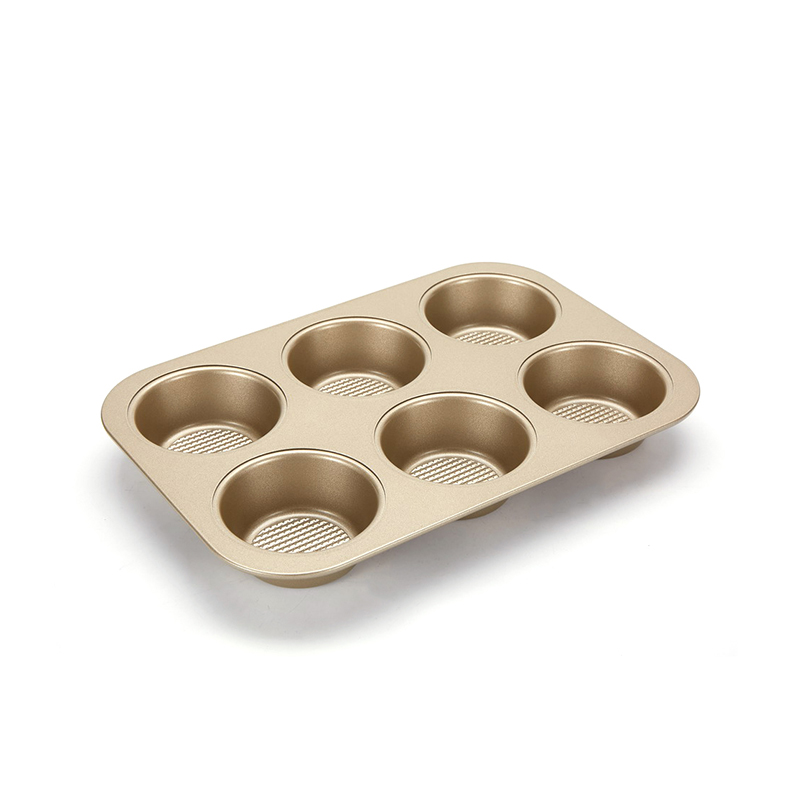
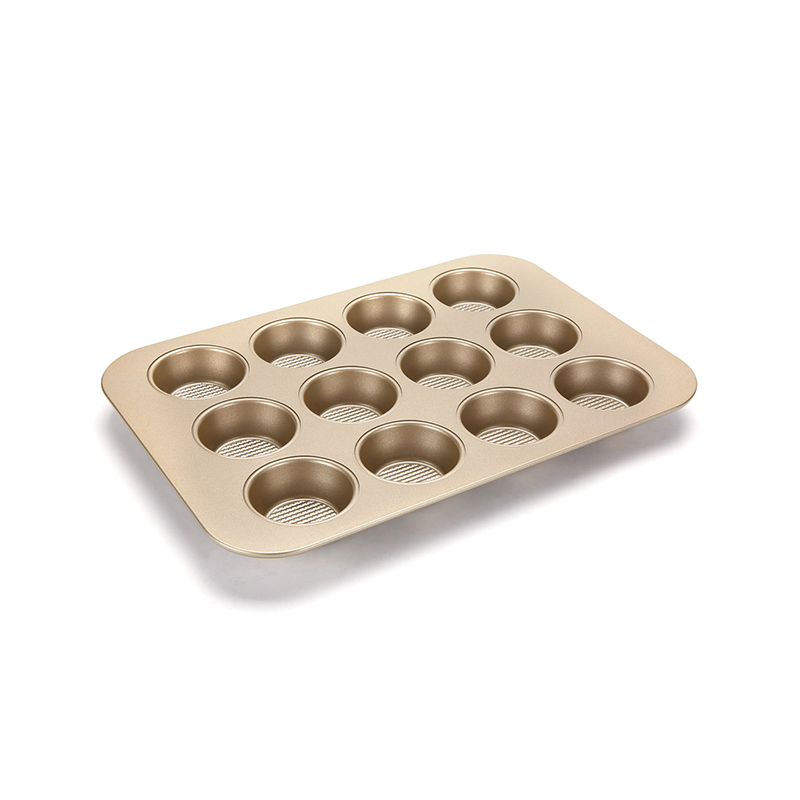
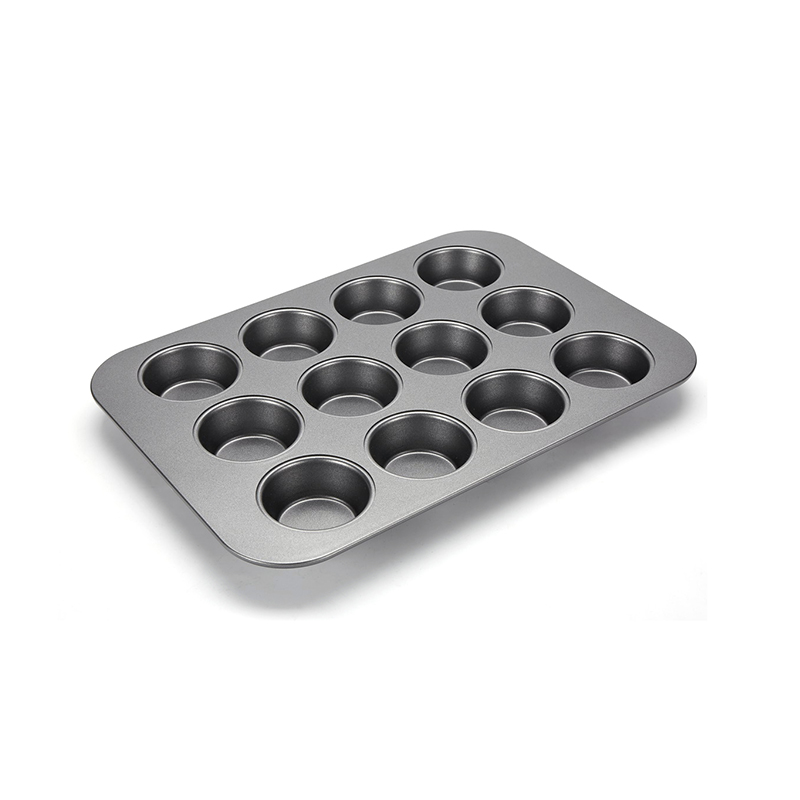
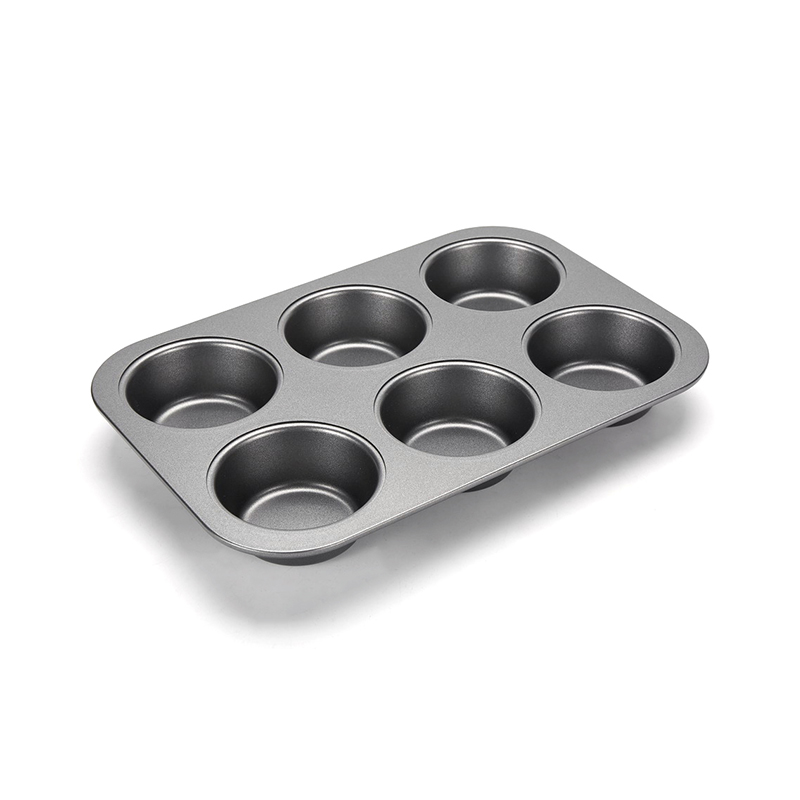
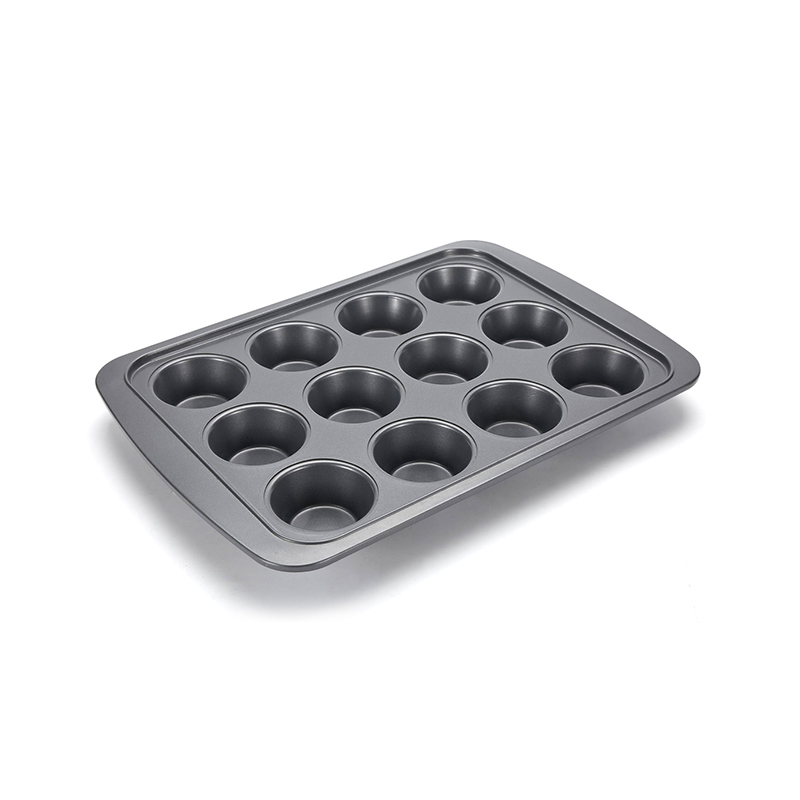
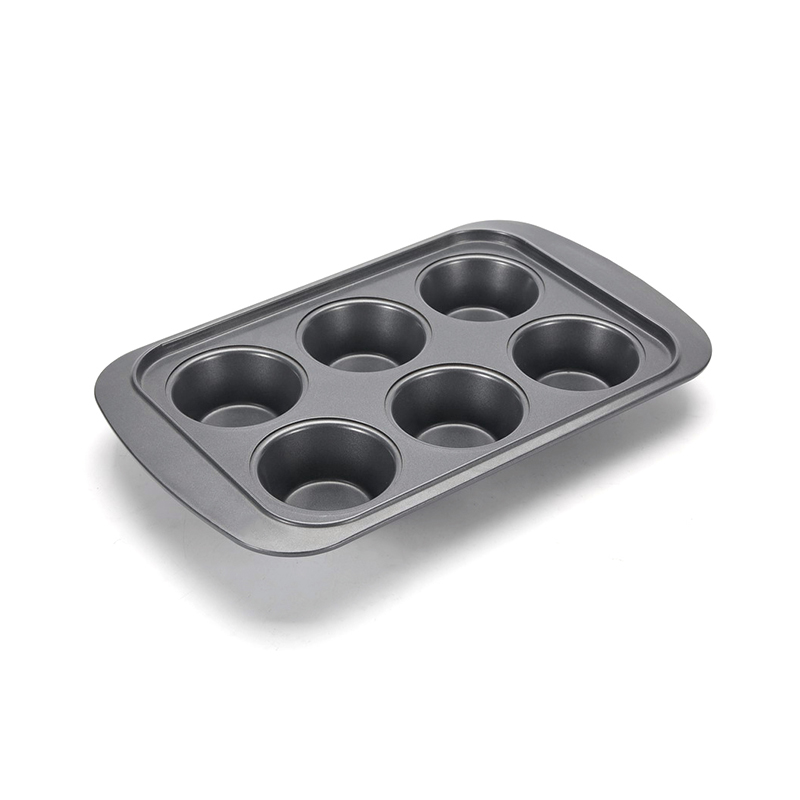
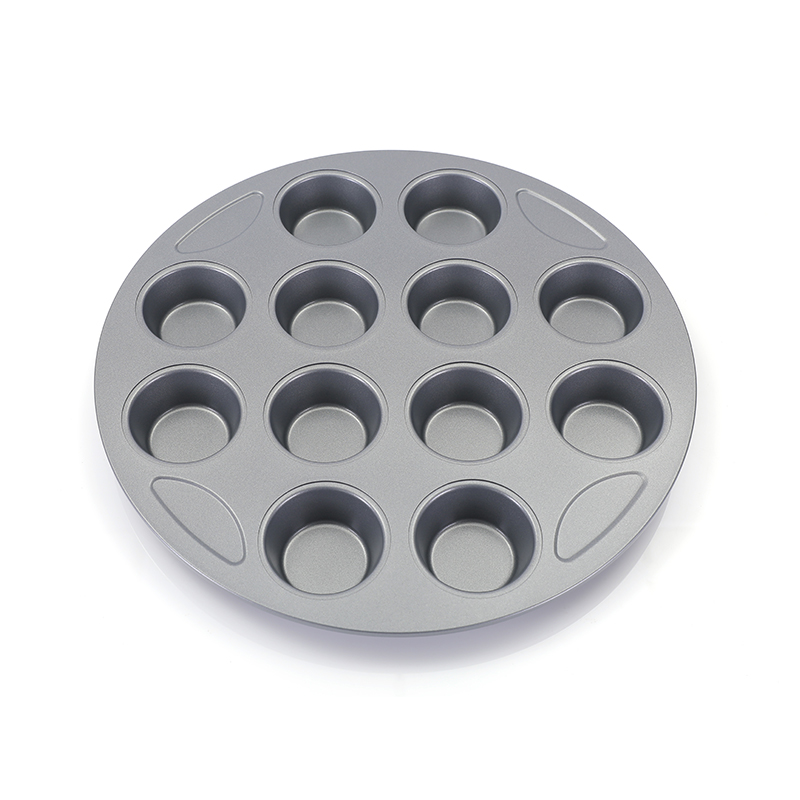
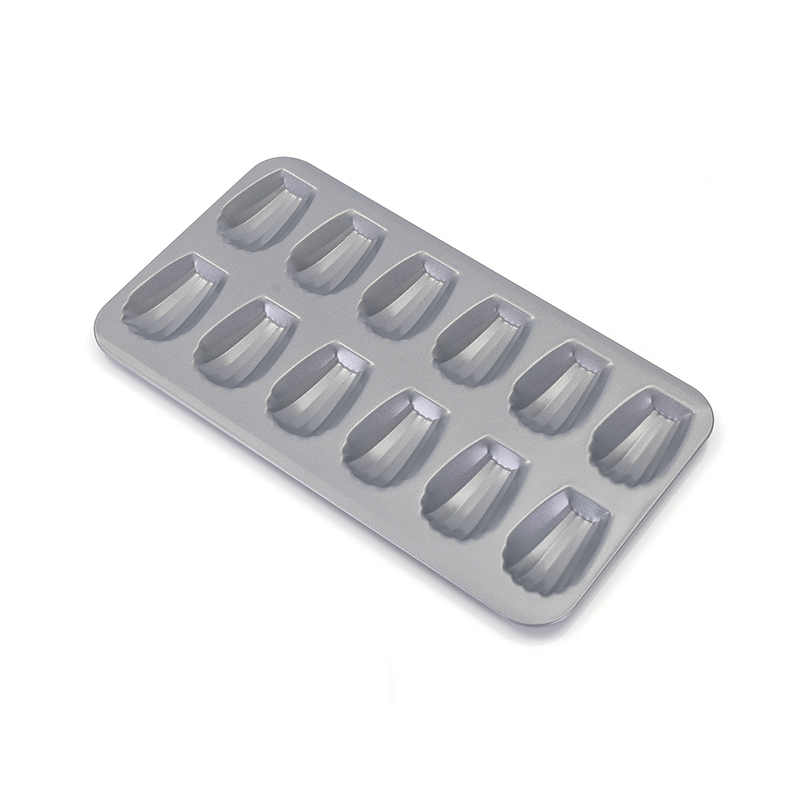
 A professional stainless steel baking pans rarely stays in the oven for long after baking is finished. In most commercial bakeries, the tray immediately becomes part of another process. Products are removed, empty trays are carried away, fresh trays arrive, and stacks begin to grow beside production lines.
Because of this routine, bakery managers often pay attention to storage and handling efficiency as much as baking performance. Another phrase that appears frequently during equipment planning is stainless steel baking tray, particularly when discussing transport carts, storage racks, and washing stations.
Stacking Starts Before Cleaning
In many factories, trays are not washed one by one.
They are collected first.
One tray is placed on another.
The stack grows gradually.
Only after a production batch finishes are the trays moved to the washing area.
During this period, a professional stainless steel baking pans should remain stable inside the stack. Workers carry several trays at once, and slight movement between trays slows down the transfer process.
Different production lines sometimes build stacks of different heights depending on the day's schedule.
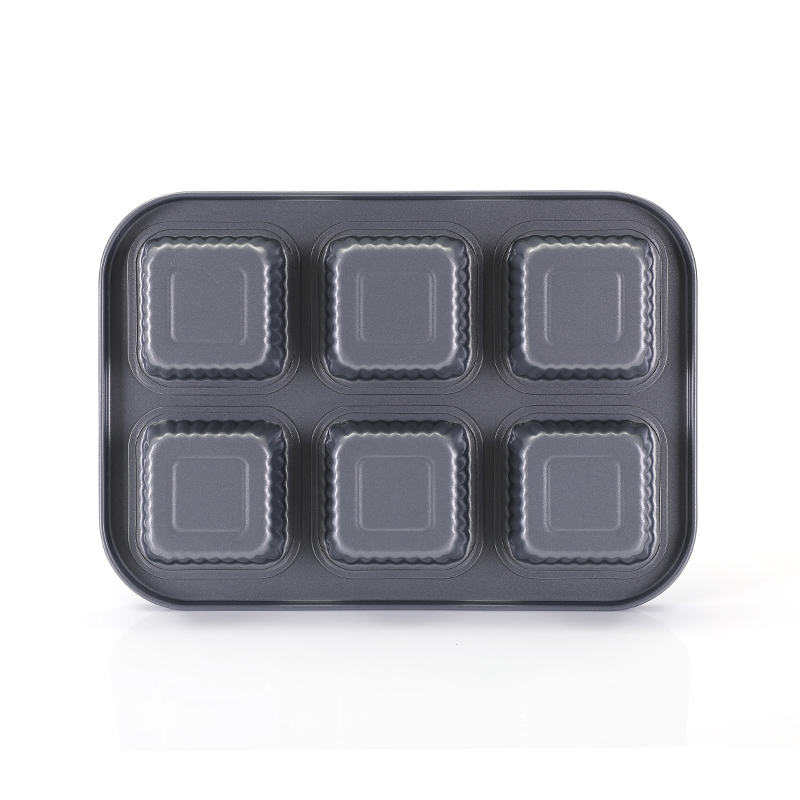
Empty Trays Travel More Than Full Ones
People often imagine baking trays spending most of their time inside ovens.
In reality, empty trays travel much farther.
From storage.
To preparation tables.
Into ovens.
Back to cooling racks.
Then to washing stations.
Finally back to storage again.
Each movement adds another handling cycle for the professional stainless steel baking pans, making transportation efficiency part of daily factory operation.
Large bakeries sometimes dedicate separate carts only for moving stainless steel baking tray stacks between departments.
Workers Notice Small Differences Quickly
Experienced operators rarely measure tray movement.
Instead, they notice it naturally.
One stack feels balanced.
Another shifts slightly while moving.
Some trays separate easily.
Others stay together after washing because of remaining moisture.
These observations are usually shared during shift changes instead of maintenance meetings.
When several models of professional stainless steel baking pans are used together, workers often develop preferences based on handling rather than appearance.
Storage Space Is Always Limited
Production volume changes throughout the year.
Holiday seasons require additional trays.
Regular weeks use fewer.
Storage rooms must adapt without expanding.
Because floor space is valuable, bakeries often compare how many stainless steel baking tray units fit safely on existing racks before purchasing additional equipment.
Rack height.
Shelf spacing.
Cart dimensions.
These practical details become part of purchasing discussions long before baking performance is mentioned.
Washing Area Creates Another Challenge
After production, trays rarely return directly to storage.
They enter cleaning first.
Water removes residue.
Drying follows.
Stacks are rebuilt once surfaces become clean.
During this process, employees repeatedly lift and reposition every professional stainless steel baking pans several times within only a few minutes.
Smooth handling reduces unnecessary interruptions during busy production days.
Daily Records Stay Practical
Factory notes are usually short.
Instead of long reports, operators write observations like:
tray stack remained stable during transfer
storage rack fully loaded
washing completed without handling delay
no visible movement during cart transport
These records help supervisors compare workflow instead of evaluating individual products.
The same stainless steel baking tray may appear in hundreds of similar notes across different production weeks.
Production Continues Between Departments
A baking tray rarely belongs to one workstation.
It moves constantly.
Preparation.
Baking.
Cooling.
Cleaning.
Storage.
Then back to preparation again.
This circulation repeats throughout every shift. Workers gradually recognize which professional stainless steel baking pans move smoothly through the entire production route, not because of laboratory measurements, but because repeated handling becomes easier during ordinary factory work.
By the end of the day, the tray has spent only part of its time inside the oven. Most of its working hours have been dedicated to transportation, stacking, washing, and preparation, making those everyday movements just as important as the baking cycle itself for every professional stainless steel baking pans used in commercial production.