


 English
  Deutsch
  Español
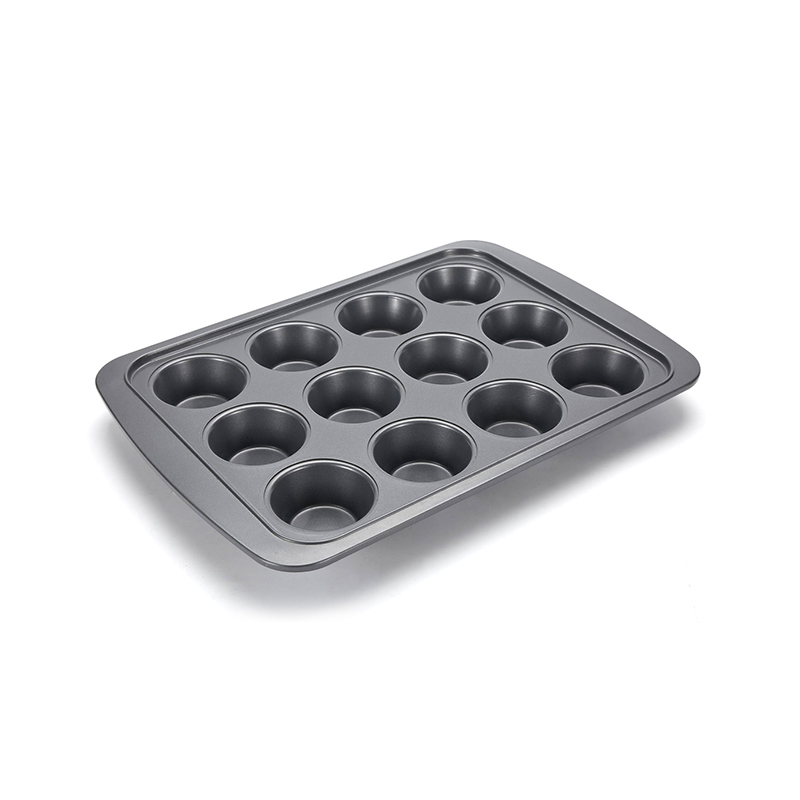
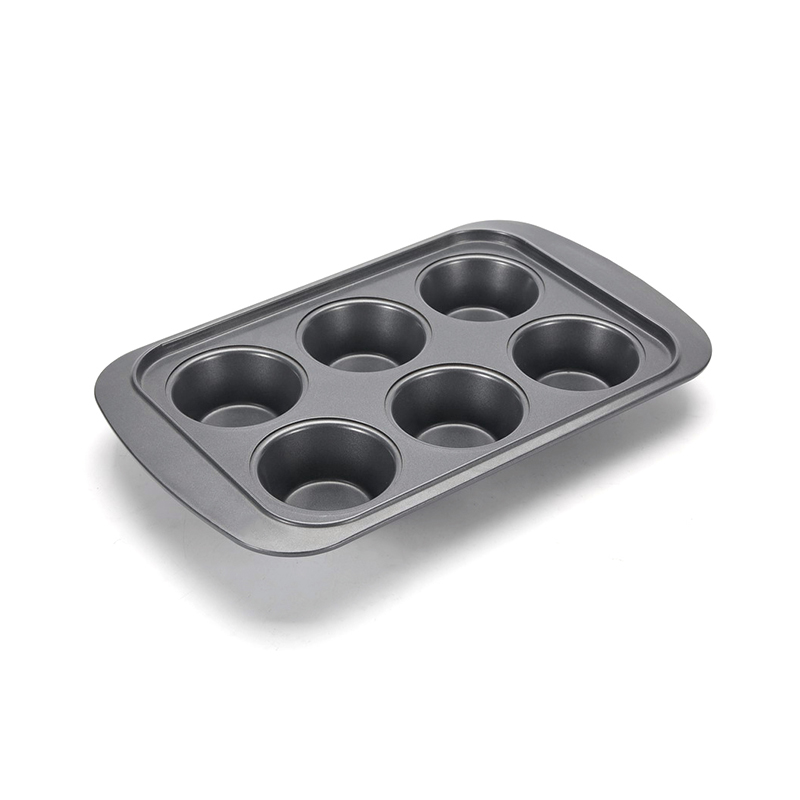
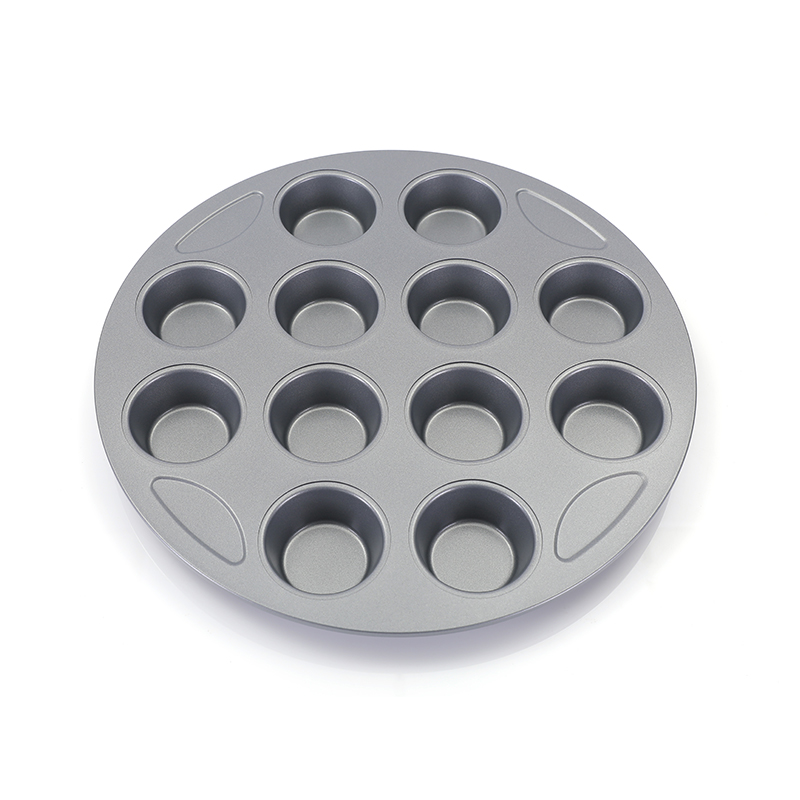
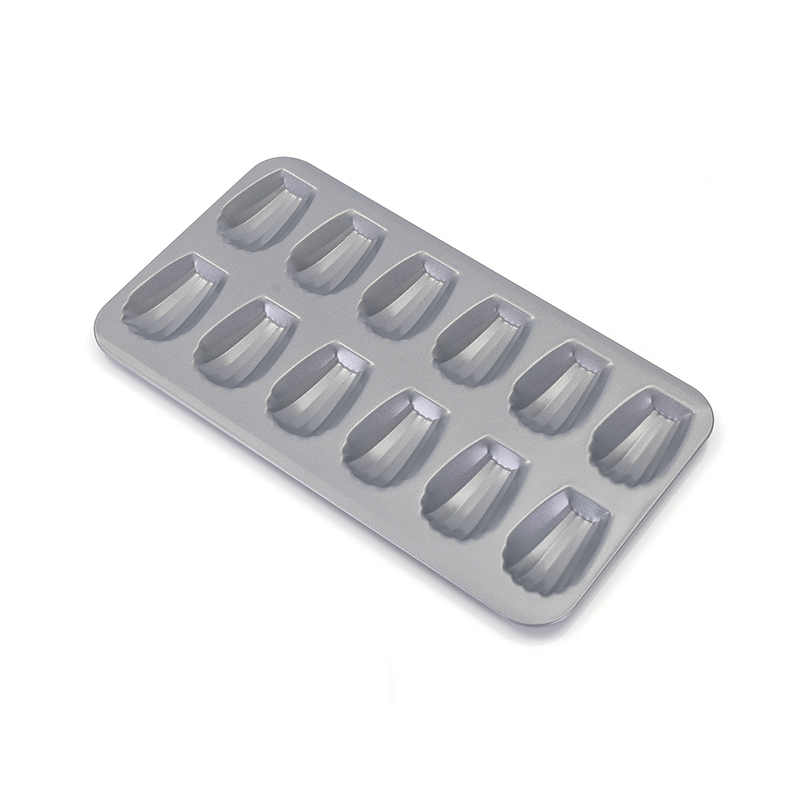
 Non stick cookie sheets are one of the commonly used tools in modern baking. They make it easy to release cookies and simplify cleaning, but many users still question their safety. Concerns about coating materials, high-temperature use, and long-term health effects often arise. This article explains the safety of non stick cookie sheets from material science, coating technology, and practical usage perspectives.
What Coatings Are Used in Non Stick Cookie Sheets?
Many non stick cookie sheets use surface coatings to prevent food from sticking and to protect the base material. The main types include:
|
Coating Type |
Main Material |
Non-stick Mechanism |
Common Name |
|
PTFE Coating |
Polytetrafluoroethylene |
Low surface energy prevents sticking |
Teflon |
|
Ceramic Coating |
Silicon dioxide |
Smooth, slightly porous surface |
Ceramic non-stick |
|
Silicone-based |
Silicone resin/oil |
Physical oil barrier |
Less common |
Among these, PTFE-coated non stick cookie sheets are widely used due to their great release performance.
Are Non Stick Cookie Sheets Safe Under Normal Use?
Under standard baking conditions, non stick cookie sheets are considered safe. PTFE coatings are chemically stable and inert at temperatures below 250°C. They do not react with food, do not dissolve in water, and are not absorbed by the human body.
Many qualified non stick cookie sheets meet food safety standards such as the FDA or LFGB. This provides that no harmful substances migrate into food during normal baking. For cookies, cakes, and pastries, typical baking temperatures range from 160°C to 200°C, well within the safe range.
High Temperature Risks of Non Stick Cookie Sheets
The main safety concern with non stick cookie sheets comes from overheating. When temperatures exceed 260°C, PTFE coatings may begin to break down slowly. At temperatures above 350°C, decomposition accelerates and may release fumes.
However, in real baking scenarios, non stick cookie sheets are exposed to such heat. Risks mainly occur in improper usage:
- Heating empty non stick cookie sheets for extended periods
- Using non stick cookie sheets over a direct flame
- Placing them in oven self-cleaning modes with high temperatures
To provide safety, it is recommended to always use non stick cookie sheets below 230–250°C and avoid dry heating.
What Happens If the Coating Is Damaged?
Over time, non stick cookie sheets may develop scratches or peeling. This raises another common concern: is it dangerous to continue using them?
From a chemical perspective, small coating fragments are inert and will pass through the digestive system without being absorbed. However, the real issue lies in the exposed base material:
- Carbon steel may rust if exposed
- Aluminum may react with acidic foods
In addition, damaged non stick cookie sheets lose their non-stick performance, affecting baking results. Therefore, replacing heavily scratched or peeling trays is recommended.
PTFE vs Ceramic Non Stick Cookie Sheets
Some users prefer ceramic-coated non stick cookie sheets as an alternative. Here is a comparison:
|
Feature |
PTFE Coating |
Ceramic Coating |
|
Safe Temperature |
Up to 250°C |
Up to 400°C |
|
Non-stick Performance |
Great |
Good |
|
Durability |
Longer-lasting |
Wears faster |
|
Safety at High Heat |
Requires control |
More stable |
Both types of non stick cookie sheets are safe when used correctly, but ceramic coatings provide higher heat tolerance, while PTFE offers better non-stick performance.
Safe Usage Tips for Non Stick Cookie Sheets
To maximize both safety and lifespan, proper use of non stick cookie sheets is essential:
- Avoid heating empty non stick cookie sheets
- Keep baking temperatures below recommended limits
- Use silicone or wooden utensils instead of metal tools
- Clean non stick cookie sheets with soft sponges
- Let trays cool before washing to prevent damage
- Store non stick cookie sheets with protective layers to avoid scratches
Following these steps help that non stick cookie sheets remain safe and effective over time.

Non stick cookie sheets are safe for everyday baking when used correctly. The materials used in modern non stick cookie sheets are stable under normal cooking temperatures and comply with food safety standards. Many risks are related to improper use, such as overheating or physical damage to the coating.
With proper handling, non stick cookie sheets provide a convenient, efficient, and reliable solution for baking, making them an essential tool in both home and commercial kitchens.