


 English
  Deutsch
  Español
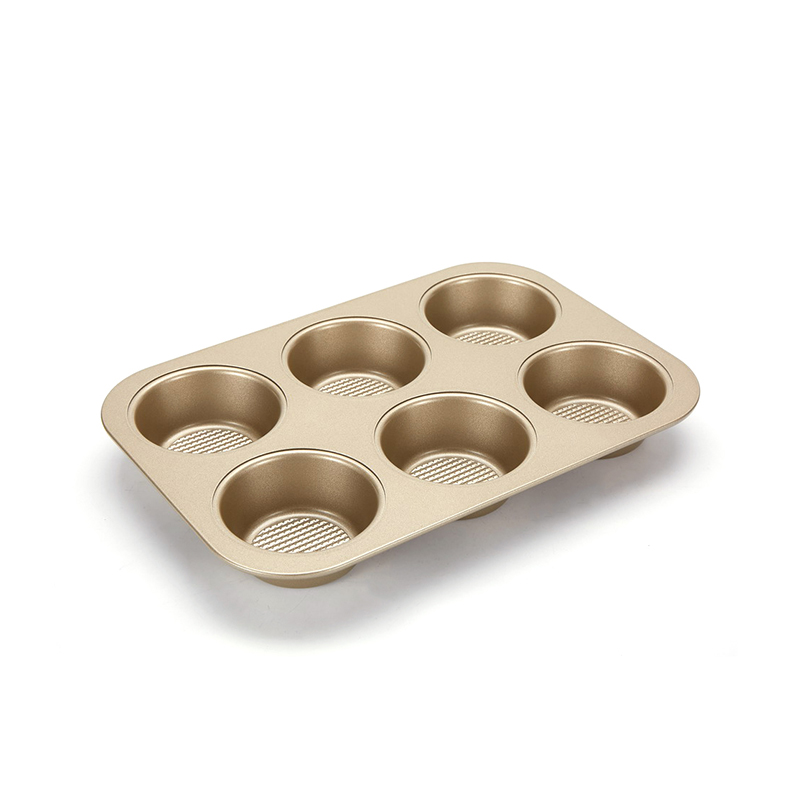
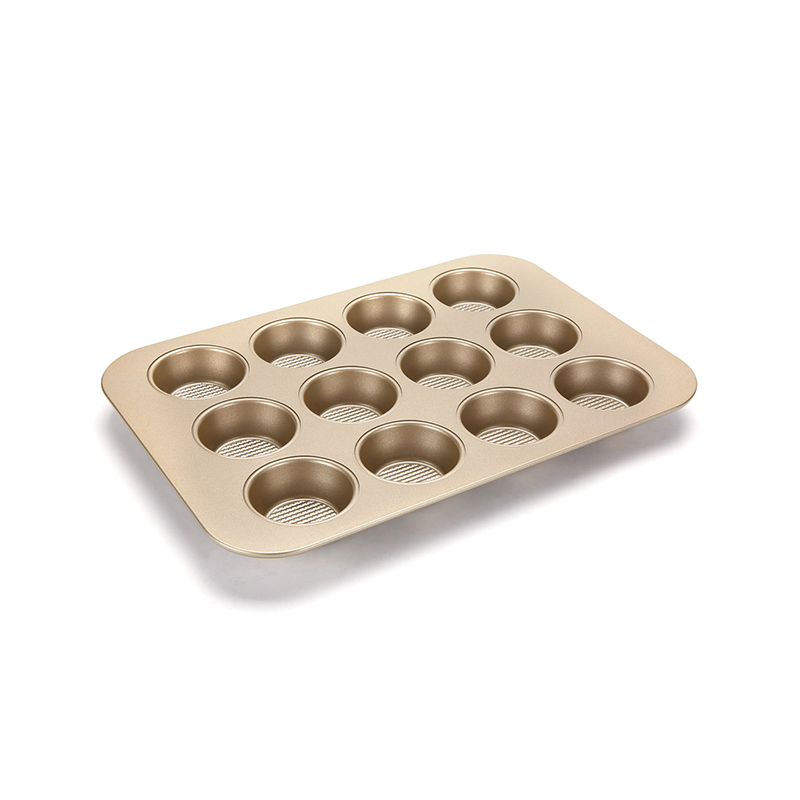
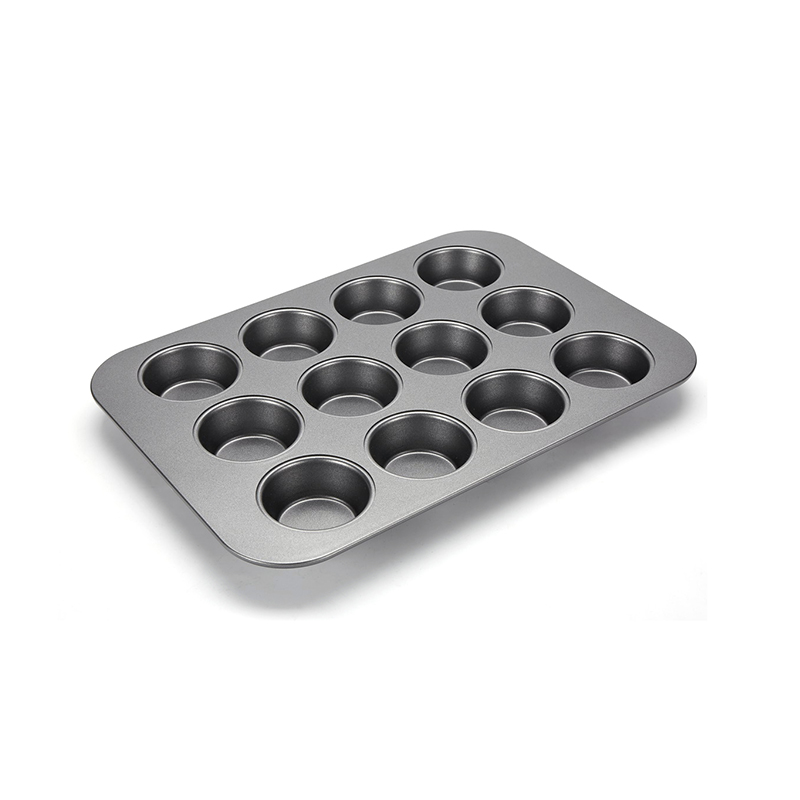
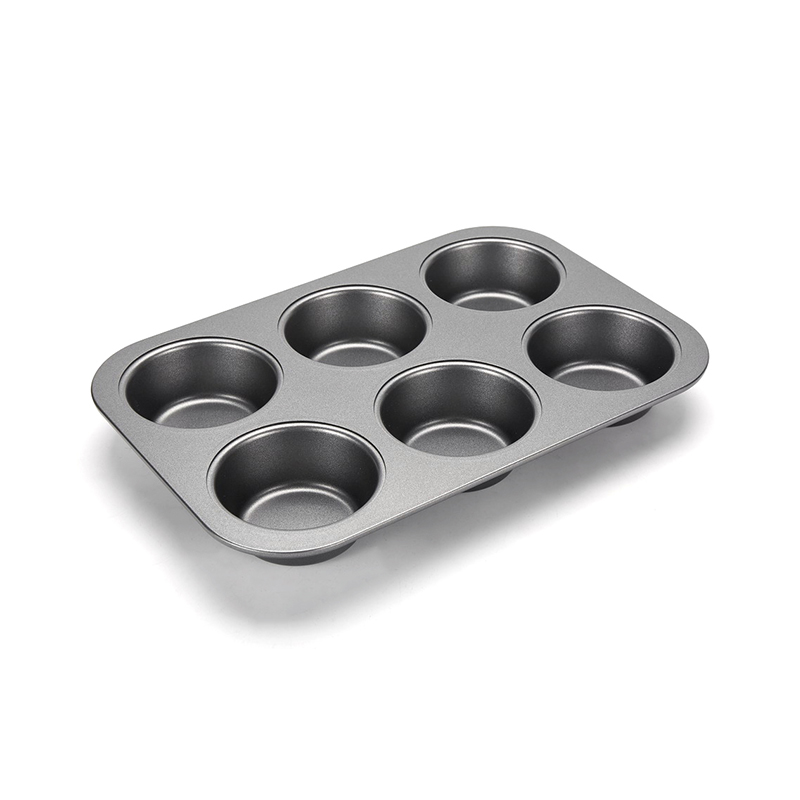
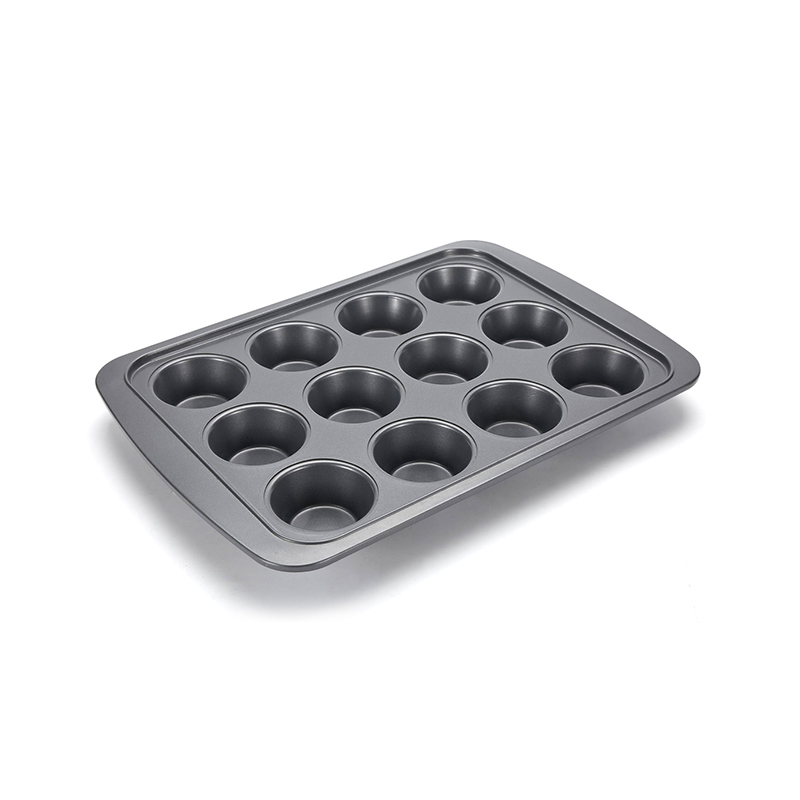
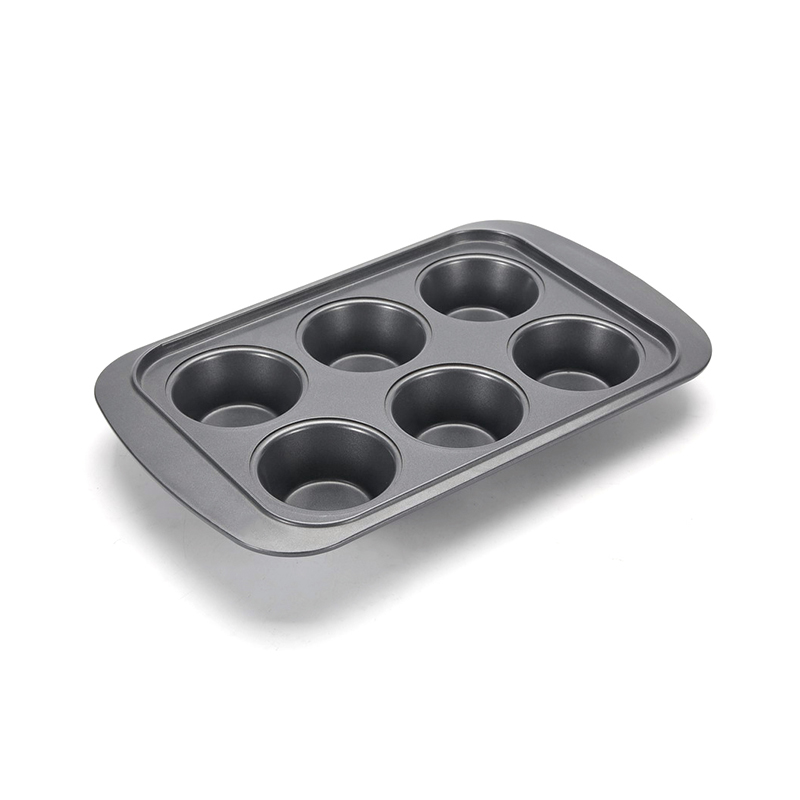
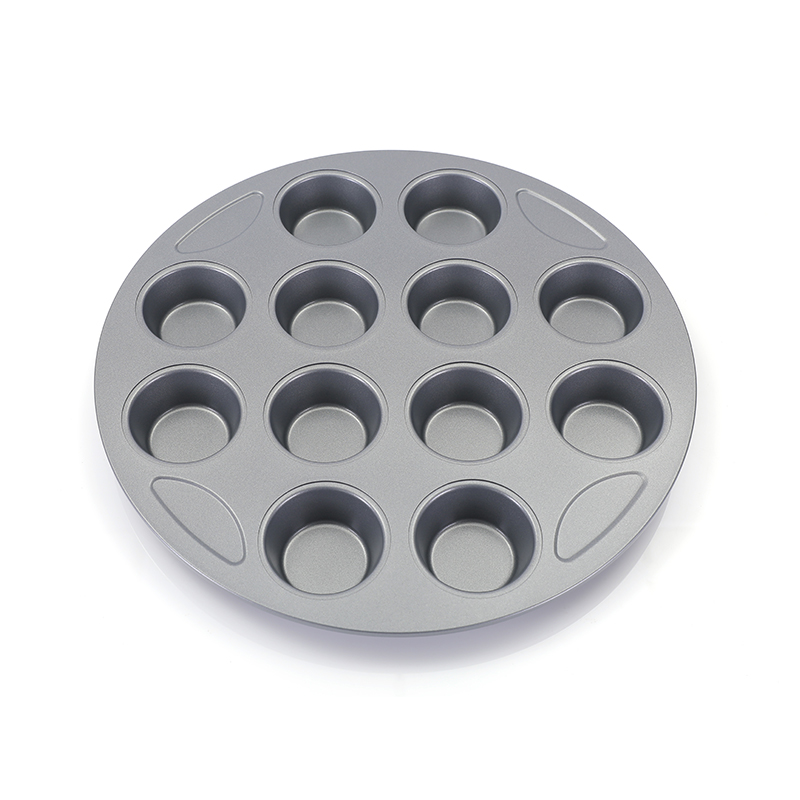
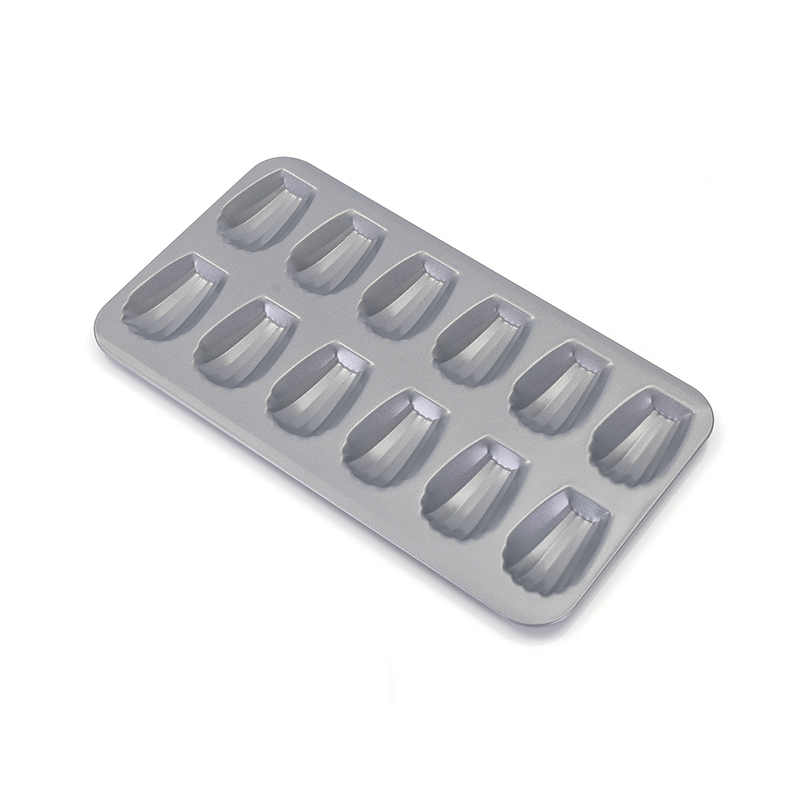
 Commercial kitchen equipment distributors have reported a steady shift in baking pan orders over recent sourcing cycles: buyers increasingly specify a carbon steel baking pan by name rather than simply ordering "baking pans" and leaving material choice to the supplier's default stock.
Heat Conductivity Advantages Matter More at Commercial Baking Volume
The heat conductivity advantage of carbon steel over lighter aluminum alternatives becomes more noticeable at commercial baking volume, where a kitchen might run the same pan through dozens of bake cycles in a single day and small differences in heat transfer compound into meaningful differences in consistency across a shift. A carbon steel baking pan transfers oven heat more evenly and predictably across repeated use than lighter-gauge alternatives, which explains why commercial kitchens are increasingly willing to accept the added weight in exchange for that consistency.
Reinforced Structure Withstands the Handling Pattern of Commercial Kitchens
Commercial kitchens handle bakeware far more roughly than a home environment — stacked hot, moved quickly between stations, and cycled through dishwashing multiple times daily — and a pan without reinforced edges and a rigid base structure shows warping and wear far faster under that handling pattern than one built specifically to withstand it. A heat-conductive baking tray built with reinforced construction holds its shape through this repeated handling better than a lighter, unreinforced alternative, which directly affects how often a commercial kitchen needs to replace its bakeware inventory.
|
Buyer Segment |
Standard Aluminum Pan |
Carbon Steel Baking Pan |
|
Heat conductivity at high volume |
Moderate |
Higher, more consistent across cycles |
|
Durability under commercial handling |
Lower |
Higher, resists warping |
|
Typical replacement frequency |
More frequent |
Less frequent |
|
Unit weight |
Lighter |
Heavier |
Silicone Handle Additions Reflect a Specific Commercial Safety Concern
Silicone handle cake pan designs have gained traction specifically in commercial settings where staff move quickly between hot ovens and prep stations, and a heat-resistant grip point reduces burn risk during that fast-paced handling in a way that matters less in a slower-paced home kitchen. Suppliers offering carbon steel construction paired with silicone handle options are responding directly to this commercial safety consideration rather than treating the handle as a purely cosmetic addition.
Certification Requirements Carry More Weight for Commercial Buyers Than Retail Buyers
A commercial bakeware supplier selling a carbon steel baking pan line into institutional kitchens, hotel chains, or large bakery operations faces more rigorous compliance scrutiny than a supplier selling primarily through general retail channels, since institutional buyers often have formal procurement standards requiring documented certification before a product can be approved for kitchen use. An ISO9001 certified bakeware program with clear, accessible documentation gives commercial buyers a faster path through their own internal approval processes than a supplier that can only provide certification details after repeated requests.
Bulk Order Consistency Matters More as Order Volume Scales
A commercial kitchen equipping multiple locations with matching bakeware needs every pan in a large order to perform identically, since inconsistent heat conduction or warping resistance across a bulk shipment creates uneven baking results between kitchen locations using supposedly identical equipment. Buyers placing large commercial orders should request batch consistency documentation, not just a single approved sample, since sample-based quality assurance doesn't guarantee that pan number 400 in an order performs the same as pan number 1.
Weight Considerations Factor Into Kitchen Staff Handling Decisions
A carbon steel baking pan carries more weight than an aluminum equivalent of the same dimensions meaningfully, and commercial kitchen buyers increasingly weigh this tradeoff explicitly against the durability benefit rather than treating carbon steel as an automatic upgrade in every application. Kitchens with staff handling full sheet pans repeatedly throughout a shift, particularly at larger dimensions, sometimes balance a mixed inventory — carbon steel for high-durability applications and lighter alternatives for pans handled routinely by hand — rather than standardizing entirely on the heavier material across every pan in the kitchen.
Retrofit Orders Are Becoming More Common as Kitchens Replace Aging Equipment
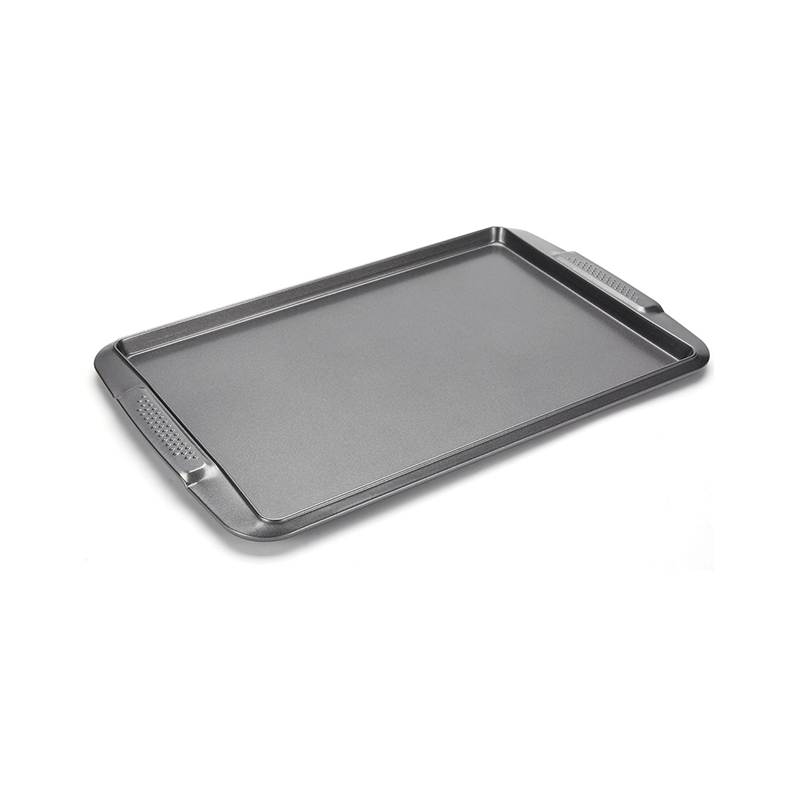
Distributors report a growing share of carbon steel baking pan orders coming from kitchens replacing aging equipment piece by piece rather than during a full kitchen renovation, which changes how buyers approach sizing and compatibility. A kitchen retrofitting its bakeware gradually needs new pans to match existing rack and oven-rail spacing exactly, and suppliers offering precise dimensional matching to common commercial rack standards make this incremental replacement process considerably easier than a supplier offering only a narrow set of standard sizes that may not align with a kitchen's existing infrastructure.
Export Documentation Should Address Material Composition for Regulated Markets
A carbon steel baking pan sold into markets with specific food-contact material regulations needs documentation addressing the steel composition and any surface treatment applied, separate from general country-of-origin paperwork. Buyers importing into regions with stricter food-safety compliance requirements should confirm that material composition documentation is available at the SKU level, since customs delays frequently trace back to missing or generic documentation that doesn't specifically address the exact alloy and coating combination being shipped.